The Long Journey Home Finding the Owner of a Stolen Rifle
By Richard H. Holloway · Originally published March-April 2026 · pp. 26–31
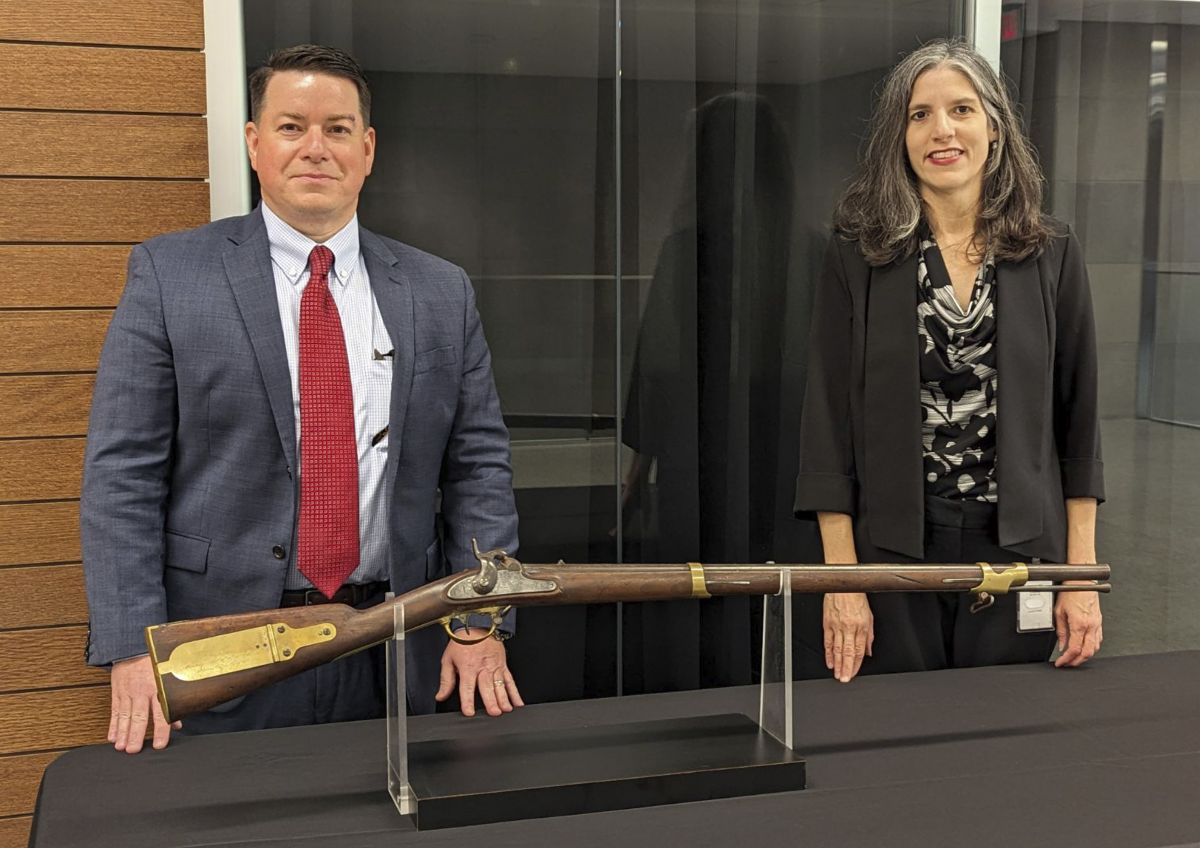
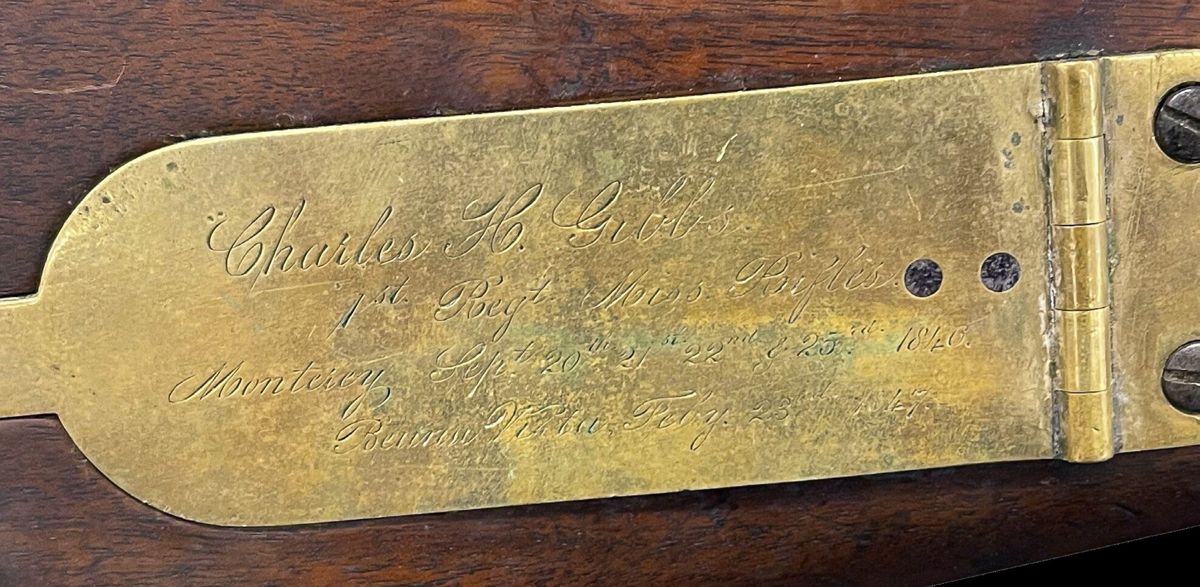
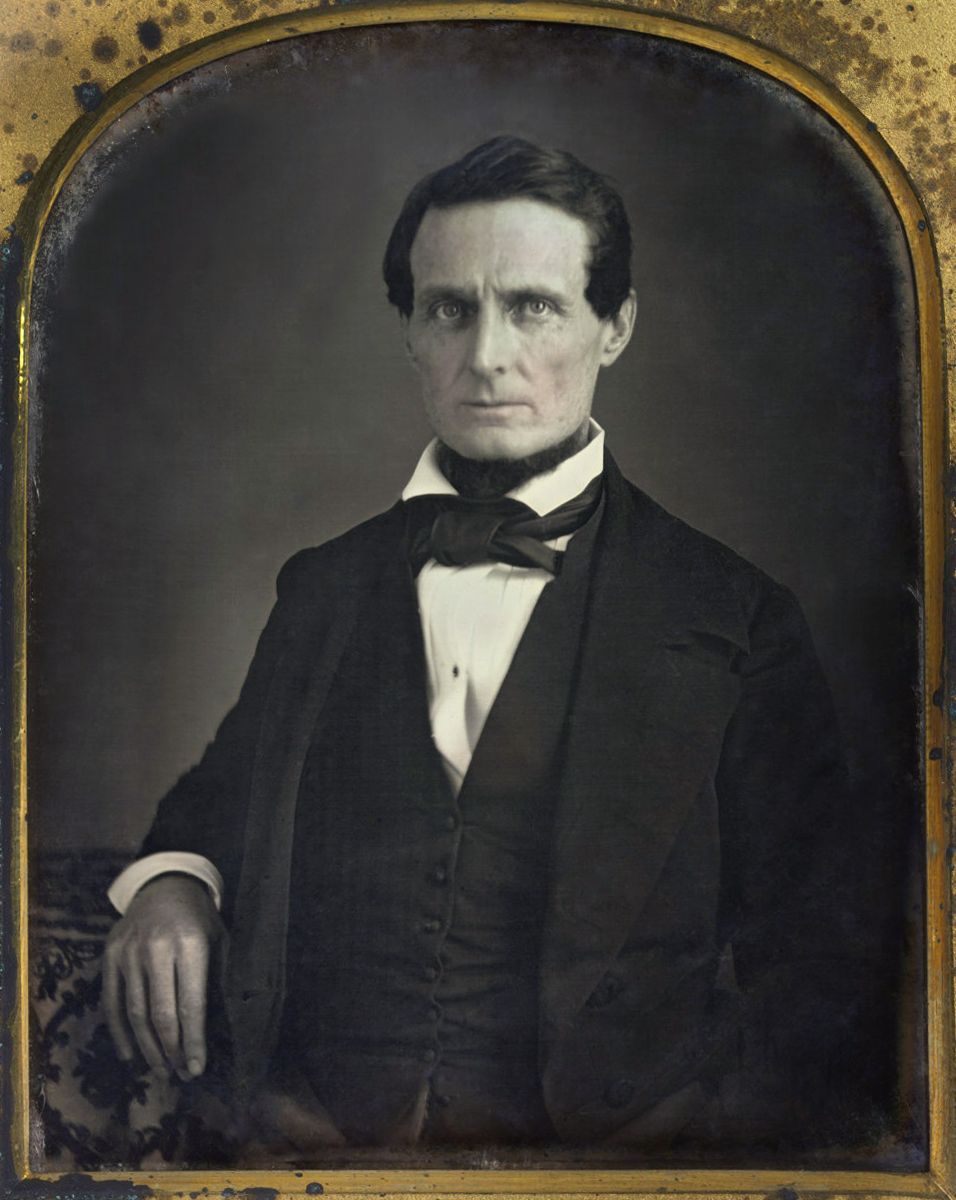
Afew years ago, I was in my office at work when a man walked in the front door. After I approached the front counter, he introduced himself as FBI Special Agent Randy Deaton. He said that he had heard there was a historian here who could help him with some historical research. As I was the only person there, I answered that I must be the person he was looking for and provided my name. I said I would gladly assist him in any way that I could. He said that there was a rifle that his section, the Art Crimes Division, had recovered, and they needed to find where it was stolen from. There was an indication that it had been stolen from somewhere in a Southern state, and he was thinking it might have been in Louisiana. He elaborated that if they could find out exactly where it had been taken, they could prosecute the alleged thief. The only clue they had was that the rifle had the name Charles H. Gibb on the lock plate near the butt of the gun. The lock was missing from the photograph he provided, but I recognized it as a Model 1841 .54-caliber Mississippi Rifle. The first step I took was to begin at the origin of the weapon. I began with the company that manufactured the largest number of these guns, the Eli Whitney Factory in New Haven, Connecticut. I found that these weapons were to be issued to a regiment of Mississippi troops in 1846 in New Orleans, La., while on their way to Mexico. This unit was commanded by Jefferson Davis, who later served as president of the Confederacy. He wanted to equip his men with the most accurate weapon available. But General Winfield Scott of the U.S. Army disagreed with Davis’ intentions to use the innovative rifled musket. The gruff regular army officer argued that the gun’s usefulness had not been established, as it had not undergone proper testing to warrant its use in the field. Using his political influence, Davis circumvented the commander and sought permission from the U.S. President to use these particular arms. Davis’ regiment soon boarded two steamers bound for the American Army disembarkation point at Brazos Santiago, Texas, without their preferred weapons, arriving there on July 26, 1846. Back home, the governor of Mississippi received a letter from the head of the United States Ordnance Department, which he explained he had instructed the Baton Rouge Arsenal to release the Whitney-built guns and immediately forward them to Davis’ men in Texas. On August 22, the shipment of the weapons arrived and was signed out to the Mississippians. A scan of the regiment’s roster, who were issued a Model 1841 rifle, uncovered a private named Charles Hanson Gibbs. Davis quickly established a high level of discipline and began training his men in the basic manual of arms. A soldier in Company C of Davis’ unit noted, “We are said to be the most orderly, quiet and best drilled regiment that has come here.” Unfortunately, while the rifles did arrive, they did not have the corresponding bayonets with them. However, the enterprising Mississippi
Charles H. Gibbs.
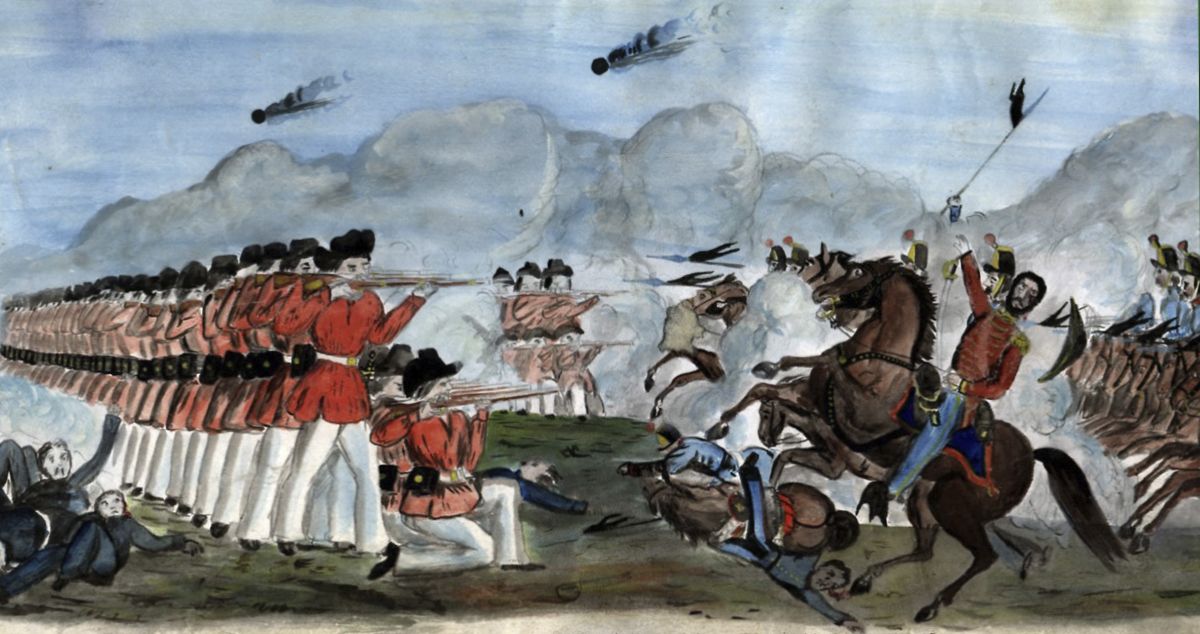
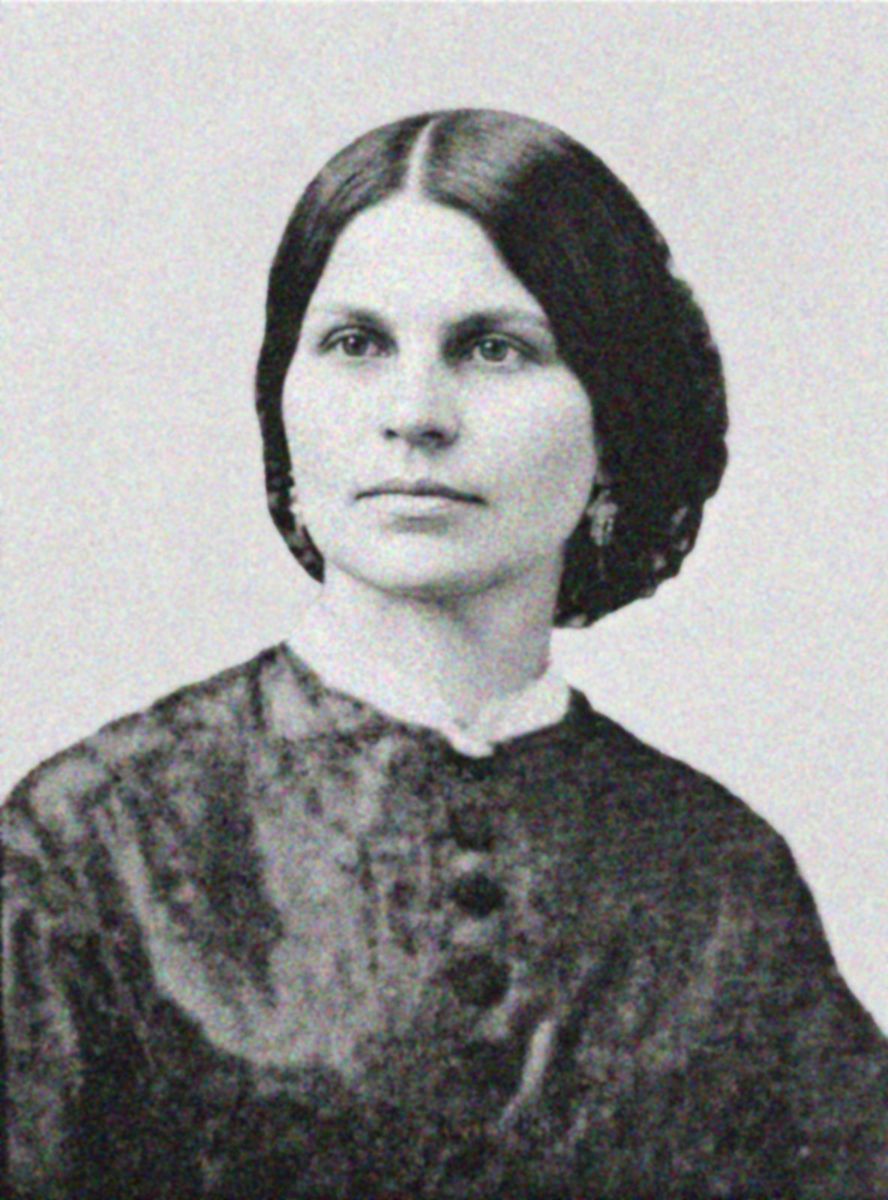
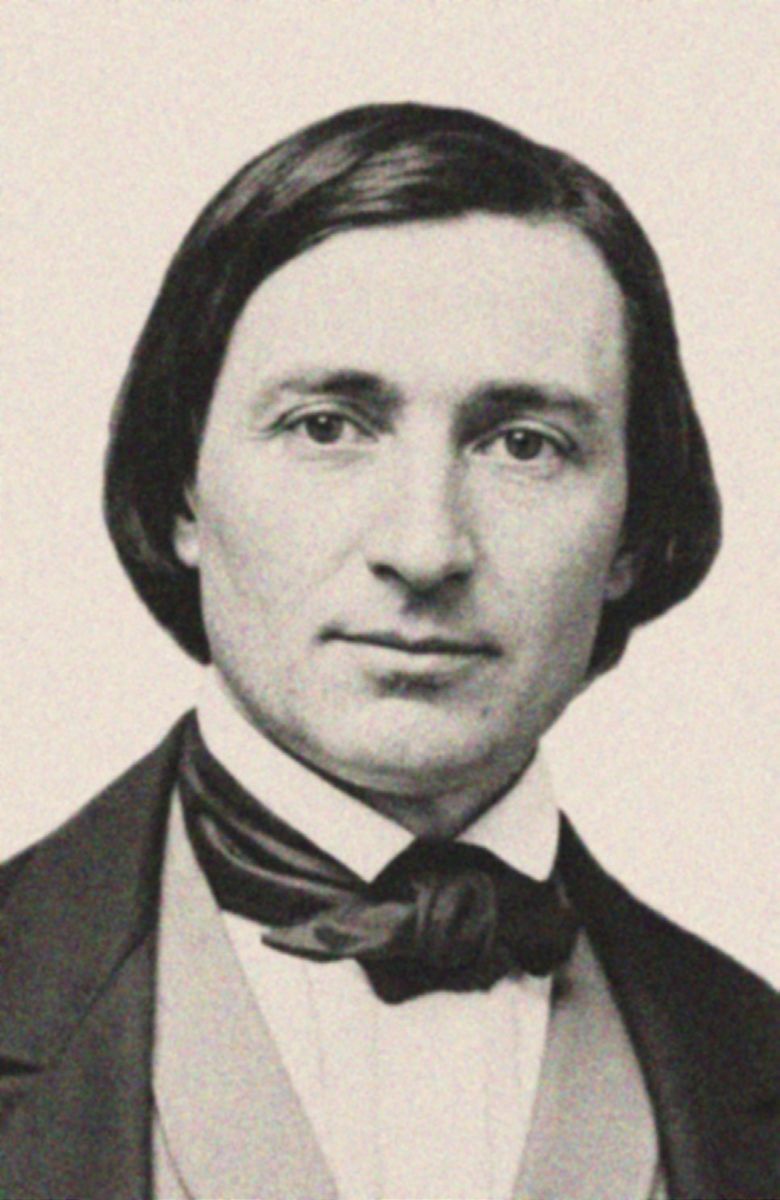
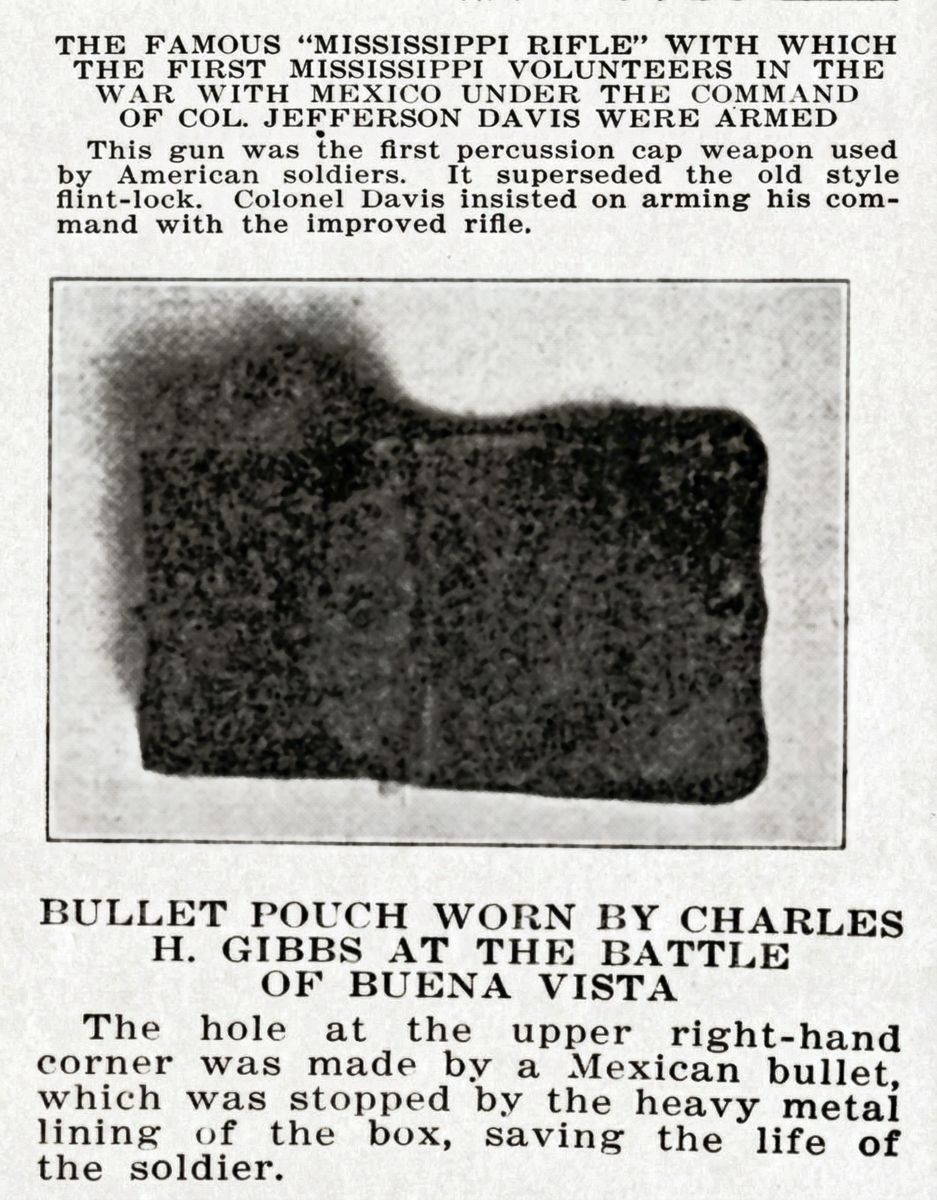
men made do with an assortment of swords, Bowie knives and pistols to supplant the missing pieces of their weapon. Some modern historians has speculated the original weapons used by Davis’ men were manufactured by another company but several contemporary accounts from the soldiers themselves clearly cite the usage of the “Whitney rifles.” After a few short weeks of training, Davis’ 1st Mississippi Rifles crossed into Mexico. Their first major engagement was around the city of Monterey. Gibbs and the rest of Davis’ men must have been elated during their initial attack when they noticed the enemy’s fire towards them had diminished once the Mississippian’s weapons displayed their accuracy. The action around Monterey became a street battle that lasted four days. Given their bravado in charging the enemy positions several times, the casualties of Davis’ Mississippi Rifles were relatively light, with a loss of 14 killed and 47 wounded. Gibbs managed to stay unscathed in the heavy fighting, After a long armistice and some furlough time, Davis’ men were back on the move in Mexico. They participated in a long march, reaching American forces already engaged in the Battle of Buena Vista on February 23, 1847. What happened next was a grand spectacle vividly recalled by all who witnessed it. Their audacity was evident as Davis and his Mississippians stood steadfast in front of an advancing force of elite Mexican cavalry. Davis formed his men “in the shape of a letter V opening towards the foe, the flanks resting on the banks of the gulches to meet the oncoming horsemen,” recalled a member of the 1st US Dragoons. He continued, “General Taylor now rode up with his staff and watched the movements with great interest. Down the plateau advanced towards Davis’ ‘Red Shirts’ General Torrejon’s splendid brigade of Mexican Cavalry; their gaily caparisoned horses seemed to fly over the ground, and it looked as if they would ride down the thin line of riflemen, who stood without bayonets disputing their passage. I heard General Taylor say, ‘Steady boys! Steady for the honor of old Mississippi!’ and as the sharp crack of their rifles rang out and the leading horsemen went down, the general swung his old glazed cap and cried out, ‘Well done Jeff! Hurrah for Mississippi! And raised a cheer in which we all joined.” The regiment lost forty-two men killed and fifty-one wounded, Jefferson Davis and Charles Hanson Gibbs among the latter. Davis later wrote his wife, “The Mississippians did well.” In his official report, Davis cited the initial onslaught, in which they lost more than thirty men killed and forty wounded. This was about the time Gibbs had received a Mexican bullet in his cartridge box, and if not for the metal lining inside the leather encasement, he would have received far more serious damage. As it was, Gibbs’ injury was slight. After the term of service for Davis’ Mississippi Rifles had expired, the unit departed Mexico on May 20, 1847, for Texas, and eventually home. Upon Gibbs’ return home, he resumed his mercantile business with his only brother, George, in Raymond, Miss. He also resumed his membership in the Raymond Masonic Lodge. Both Charles and his brother eventually married sisters. Charles married Ellen Elder on May 10, 1855. A short time later, Charles contracted yellow fever and succumbed to it on October 10, his six-month wedding anniversary. He never lived to see his daughter, Charley, born. Ellen raised Charley in Raymond with the help of her sister and her brother-in-law. The Civil War literally came to Ellen and Charley’s front yard in May 1863, with a clash between Union and Confederate forces throughout the town. Their mercantile business suffered nearly $60,000.00 in losses, and it was during this time that Charles’ Mexican War rifle disappeared. It took nearly twenty years of guilt before the Yankee soldier who stole the gun reached out to the family to facilitate its return. Articles appear in both the Magnolia and Liberty, Miss., newspapers documenting the weapon was back in the family’s possession. Ellen was finally able to secure a pension from the U.S. government for Charles’ service in the Mexican War in July 1887, but she passed away on Ellen Elder Gibbs.
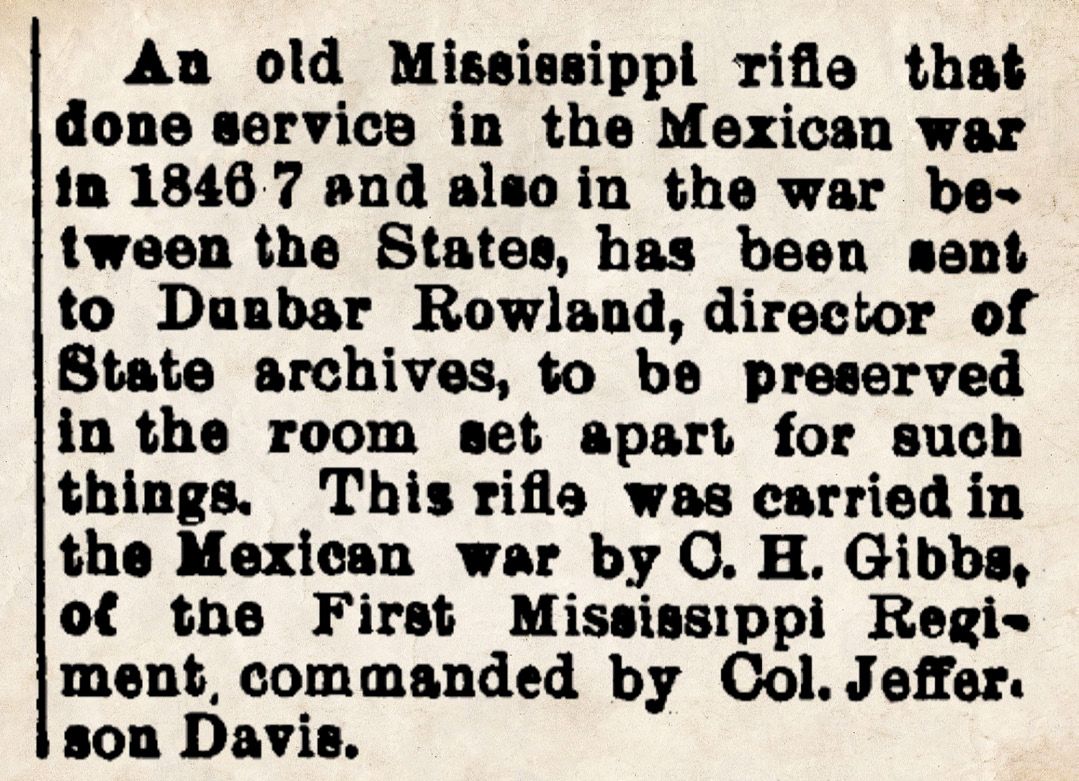
September 19 of that year. Possession of Charles’ rifle, belt, and cartridge box with the .69 caliber Mexican bullet hole in it from Buena Vista reverted to the couple’s now married only child, Charley Gibbs Harper. Charley Harper retained the gun and accoutrements for a few years before recognizing the collection’s significance in Mississippi military history and its need for preservation. She came in contact with Dunbar Rowland, head of the Mississippi Department of Archives and History. Rowland was intent on collecting as many items about Mississippi’s history as he could. Sometime during the week of October 19, 1903, Charley officially donated the three items to the State of Mississippi. Both the October 29 edition of the Progressive Advertiser (Lexington, Miss.) and the October 30 issue of The Canton Times (Canton, Miss.) cite the donation by Charley. Many years later, the Archives loaned the rifle to Jefferson Davis’ home in Biloxi, Beauvoir, as Gibbs had fought under him. It was on display until the 1990s when some nefarious people broke into the facility and threw it out the window of the second floor to the ground below, along with the other items they stole. The FBI recovered the items from a Delaware man and had to obtain a chain of possession to discover the owner and also where it was taken from to successfully prosecute the alleged offenders. The Delaware man was brought to trial before a federal grand jury in the Eastern District of Pennsylvania and was brought to court to face punishment for his crimes. In January 2017, on a cold, winter day, I was invited to the grand opening of two history museums in Jackson, Miss. It was a very crowded event and was even attended by President Donald J. Trump and other dignitaries like Myrlie Evers-Williams, widow of Medgar Evers. On prominent display inside the museum was Charles H. Gibbs’ rifle, cartridge box, and belt. Richard H. Holloway, a Louisiana native, formerly a Senior Editor for America’s Civil War and Civil War Times magazines. In addition to numerous articles, he wrote biographies of Richard Taylor, Hamilton Bee, and William R. Boggs for Confederate Generals of the Trans-Mississippi (Univ. of Tennessee Press) as well as essays for Vicksburg Besieged (Univ. of Southern Illinois Press). Holloway is a member of the Western Theater Historians Association. He was previously an archivist for the Louisiana State Archives and a curator for the Louisiana National Guard. He can be contacted by email at noblepelican@gmail.com.
Custom Made
Civil War Muskets