
Houston CWRT Frank E. Vandiver Award
Originally published July-August 2026 · pp. 8–11
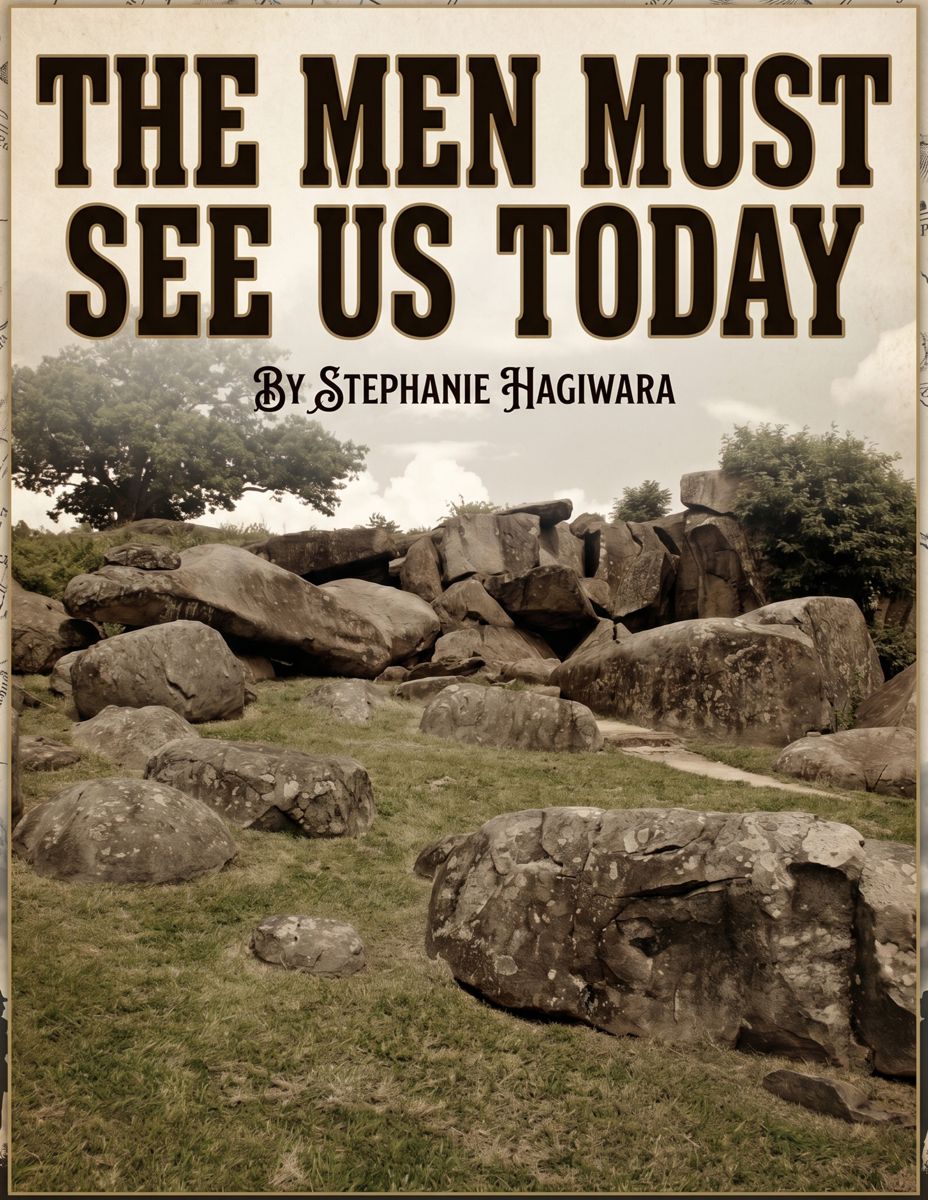
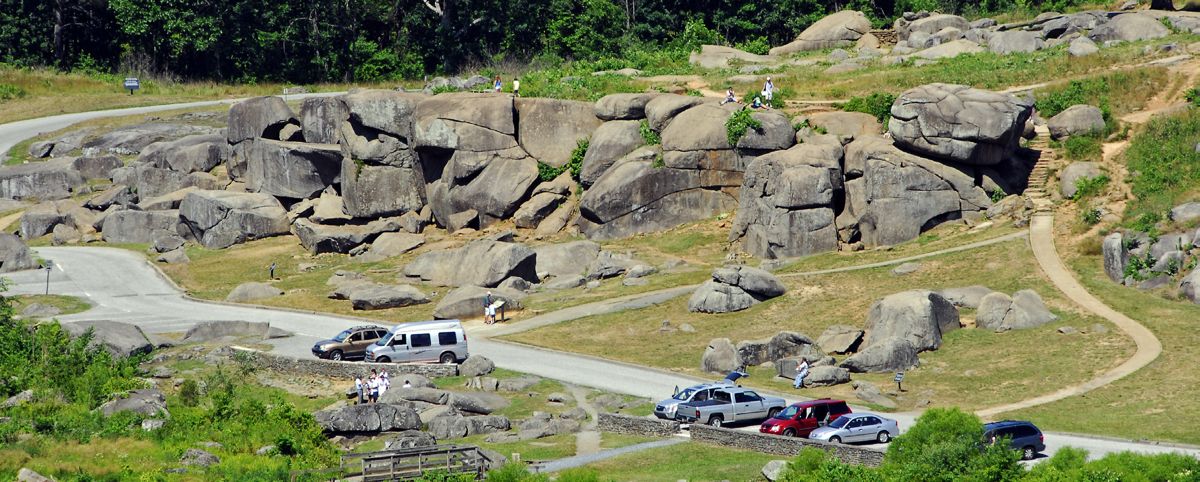
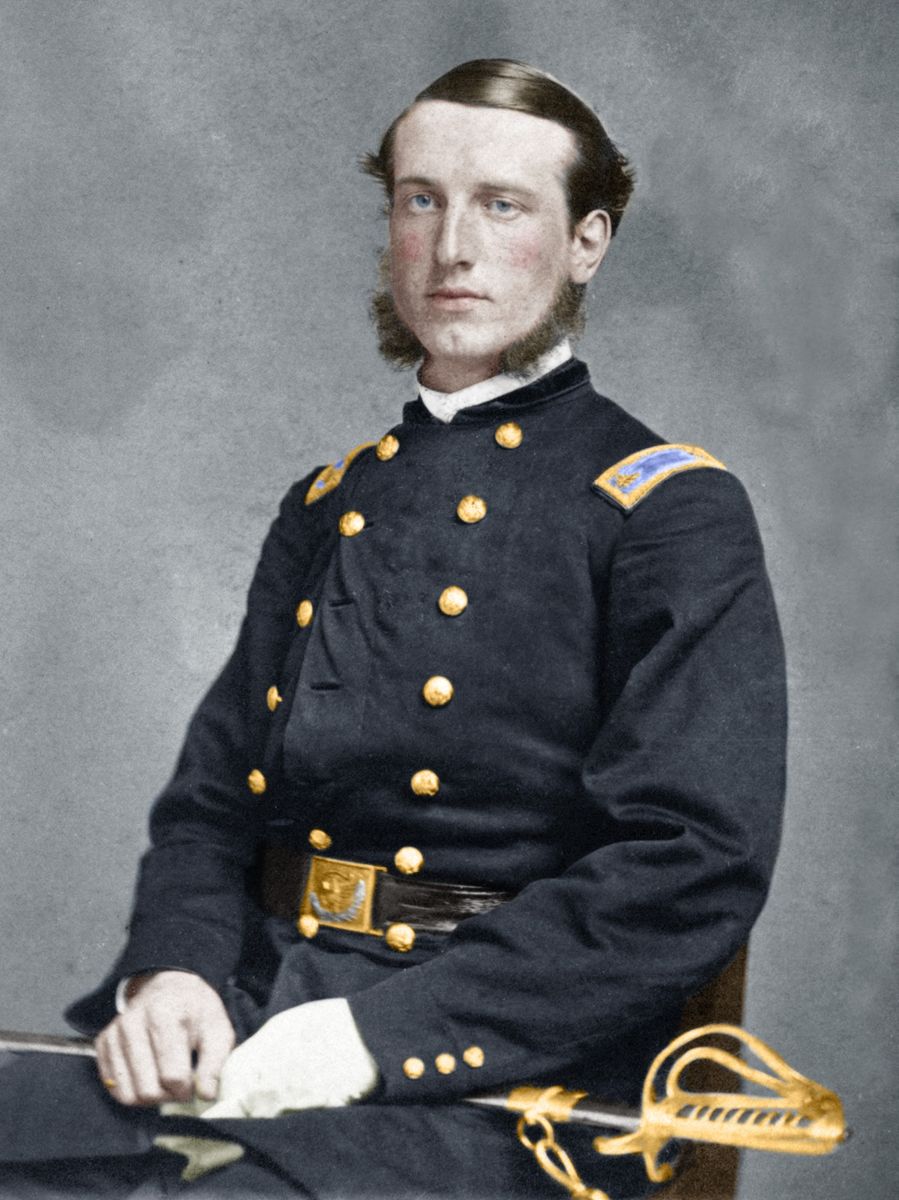
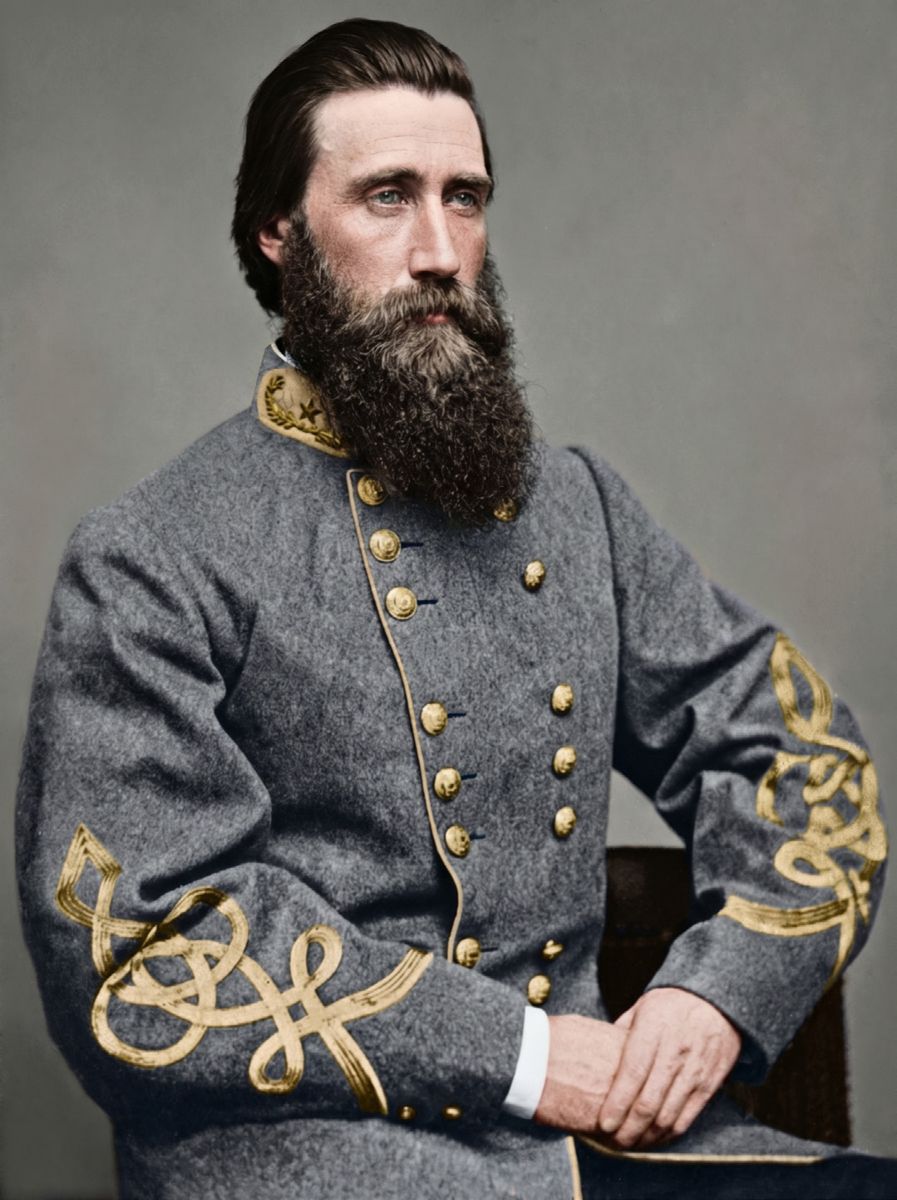
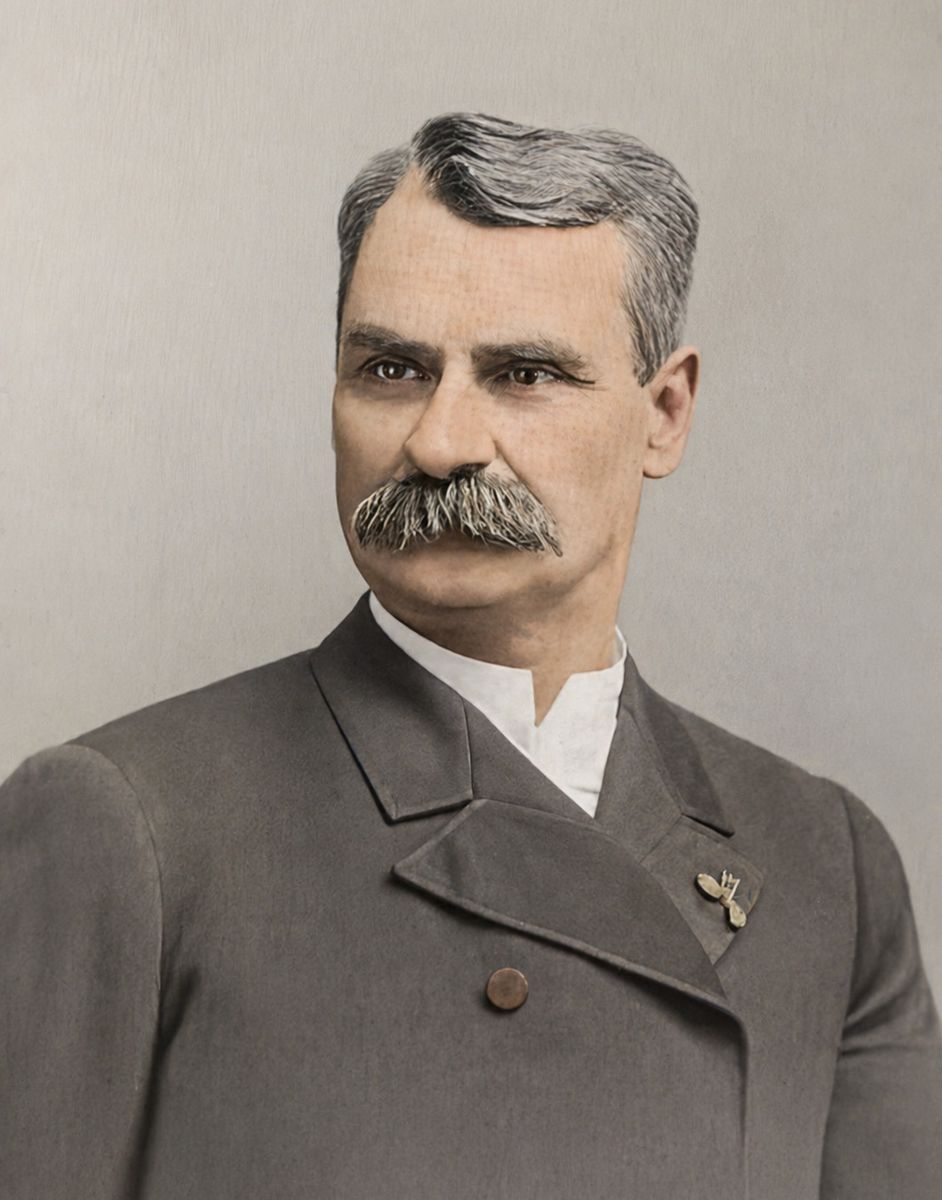
On July 2, 1863, the second day of the Battle of cartridges to each man and filling their stomachs. Captain Gettysburg, Pennsylvania, C.S. Gen. John Bell James E. Smith, 4th New York Independent Battery, hauled Hood did something he had never done on the field his 10-pdr. Parrott rifles “one by one over the rocks and before and would never do again: he asked his commanding chasms” to position four guns on the crest and two in the officer to reconsider attack orders. rear. The 4th Maine took position directly behind Smith’s C.S. Gen. Robert E. Lee, commander of the Army of guns. Northern Virginia, had ordered Longstreet’s troops to move On Warfield Ridge, C.S. Capt. James Reilly of by the right and attack up the Rowan’s Artillery placed two Emmitsburg Road, striking Napoleons, two 3-inch rifles, U.S. Gen. George G. Meade’s and two 10-pdr. Parrott rifles in Army of the Potomac on the front of Hood’s men, with sight Union left near Little Round lines to Devil’s Den and Little “… the enemy occupied a Top. Once in position, Gen. Round Top. About 3:30 p.m., position so strong—I may James Longstreet’s divisions Reilly began lobbing shells would attack by brigades at at Devil’s Den to ascertain say impregnable—that, thirty-minute intervals. Lee distance. Smith’s men returned independently of their originally ordered the attack to fire. The boulders protected flank fire, they could easily commence by 11 a.m. Due to the cannoneers between shots. repel our attack by merely multiple delays, Longstreet’s According to Smith, “the throwing or rolling stones corps reached the launching accuracy of the enemy’s aim down the mountain side as we point closer to 4 p.m. was astonishing.” approached.” About 2 p.m., U.S. Gen. Hood’s men lay flat on the Daniel Sickles and his III ground “as rounds whistled – Gen. John Bell Hood Corps disrupted the battle over them or exploded into plans of both opposing armies. deadly metal fragments over Sickles’s assigned position lay their heads.” The “infernal between II Corps and Little machines came tearing and Round Top. To control the whirring through the ranks higher ground near the Peach Orchard, Sickles ordered his with a most demoralizing tendency.” The men were ordered men forward almost half a mile in front of the rest of the back to a less exposed position. army. By doing so, he exposed his troops to attacks on both After his third request to revise the attack orders was flanks, placed them too far forward to receive timely Federal denied, Hood was overheard saying “Very well; when we support, and put them directly in the path of Longstreet’s get under fire I will have a digression.” After the 4 p.m. start assault. signal, Hood gave a rousing speech and ordered the first U.S. Gen. John Hobart Ward’s brigade was assigned to wave forward. Gen. Jerome B. Robertson’s Arkansas and defend the extreme left of Sickles’s line, and with it the Texas brigade led the way on the left, and Gen. Evander M. extreme left of the Army of the Potomac, at Devil’s Den. Law’s Alabamians advanced on the right. The location was known for huge boulders and rocks that As the 2,700 men advanced under fire across rough created nooks and cavernous recesses. The soldiers of terrain, the gap between them widened. The two wings the 124th New York prepared by distributing 80 to 200 would eventually fight separately. Hood rode forward in the center of his division. A shell burst 20 or 30 feet overhead. Hot shrapnel flew in all directions. Hood’s left arm was shattered from biceps to wrist. Just as the assault began, Hood was carried off the field. The 2nd U.S. Sharpshooters rained fire down on the approaching Confederates from behind a stone wall. It took three charges before the Confederates broke the skirmishers’ line. As the Sharpshooters retired uphill, they continued their deadly fire. Hood’s men approached Smith’s position. It was difficult to aim at the low ground. A new target appeared as Gen. Henry Benning’s Georgians moved forward from Warfield Ridge and were greeted by Smith’s screaming shells. Still, the Georgians marched forward. Smith’s case shot and shrapnel were exhausted. Smith exclaimed, “Give them shell; give them solid shot; d-n them, give them anything!” Ward ordered his forces sheltering in the woods, “not to fire until they could plainly see the enemy.” Their fire checked the Confederate approach, allowing the men to reposition as Smith’s cannoneers fell back, taking their firing implements with them. Smith’s four guns were silent. The Texans were struggling upward. Maj. James Cromwell, 22, consulted with Col. Augustus Van Horne Ellis. The 124th needed to charge. Right: Capt. James E. Smith. Colorization © 2026 civilwarincolor.com. (Public Domain)
Ellis refused. Twice. Horses were brought for Ellis and Cromwell. The men protested that, on horseback, the pair would be targets. Cromwell responded, “The men must see us today.” Ellis nodded to Cromwell. Cromwell waved his sword twice, ordered the charge, and dashed in front of the men down the slope. It “was a gallant rush into the jaws of hell.” The body count rose as the cannon roared and shells burst. Cromwell, in the center and waving his sword, was shot down. Horrified by his loss, the New Yorkers charged, pouring lead into anything that moved. Ellis, standing in his stirrups and pointing his sword, was shot in the head. The death toll rose as the 124th continued to fight while collecting their dead and wounded. Attracted by Smith’s crest guns, the 44th Alabama poured into the fray. The 124th withdrew in the opposite direction. The 4th Maine and the Sharpshooters fought the Confederates. Smith was firing from his two guns in the rear. Control of Smith’s crest guns passed back and forth. The 99th Pennsylvania came up from behind and perpendicular to the 4th, charging “into the thick of the fight.” The 99th reached the top of Devil’s Den, right next to Smith’s guns. Benning’s men started the climb. The Federals were shooting straight down at them. The Confederates “took cover behind the numerous rocks and fired back.” Ward sent reinforcements into the chaos. The Confederates were caught in a deadly crossfire between the 99th and the 40th New York. Yet it became clear to Ward that it was time to retreat. The Confederates continued to be reinforced. Little Round Top was firmly in Federal hands, and Devil’s Den was no longer the Federal extreme left. By the end of the second day of battle, the Confederates retained Devil’s Den and all of their hard-won territory. Lee’s intended breakthrough had not been achieved. Sources ◊ ◊ ◊
Adelman, Garry E., and Timothy H. Smith. Devil’s Den: A History and Guide. Thomas Publications, 1997. Trudeau, Noah Andre. Gettysburg: A Testing of Courage. HarperCollins, 2010. Schmutz, John F. “The Bloody Fifth,” Vol. 2: Gettysburg to Appomattox (The 5th Texas Infantry Regiment, Hood’s Texas Brigade, Army of Northern Virginia). Savas Beatie, 2017.
Stephanie Hagiwara is the editor for CivilWarinColor.
com and CivilWarin3D.com. She also writes a column for
Historyin FullColor.com that covers stories of photographs of historical interest from the 1850s to the present. Her articles can be found on Facebook, Tumblr, and Pinterest.