
Fort McAllister Southern Sentinel on Georgia’s Ogeechee River
By Bob Ruegsegger · Originally published January-February 2026 · pp. 28–31

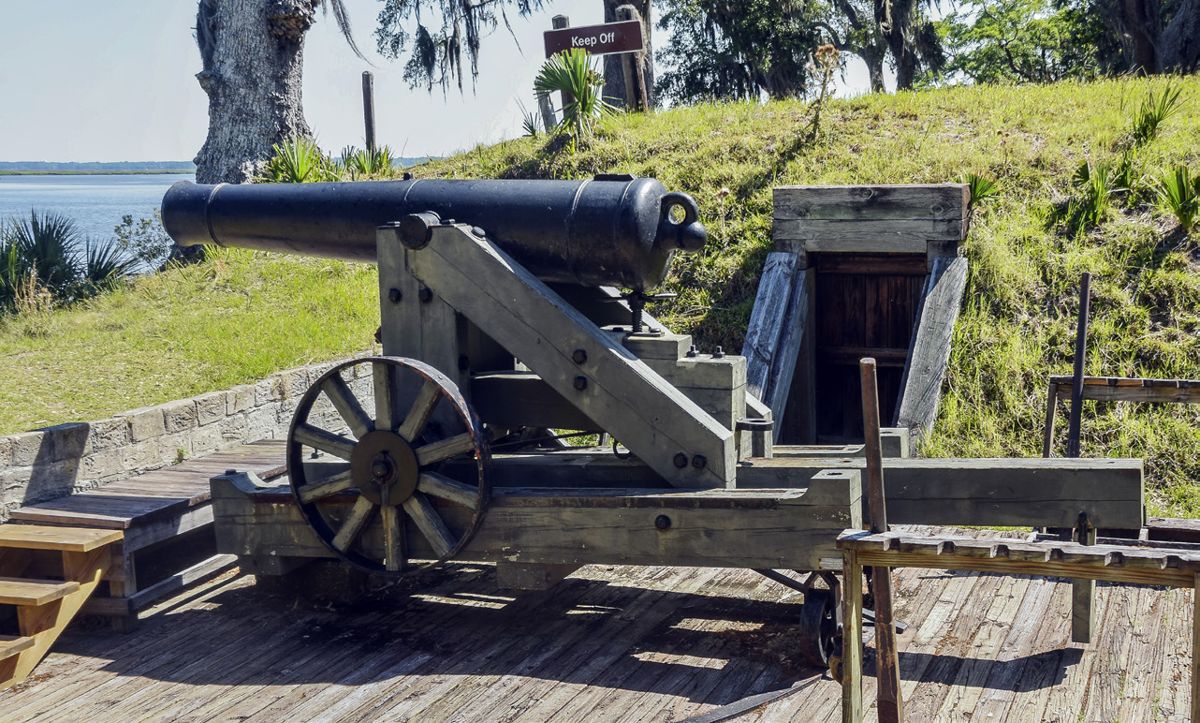
Rifled 32-pounder cannon in position at Fort McAllister taken after it was captured by Union forces. (Library of Congress)
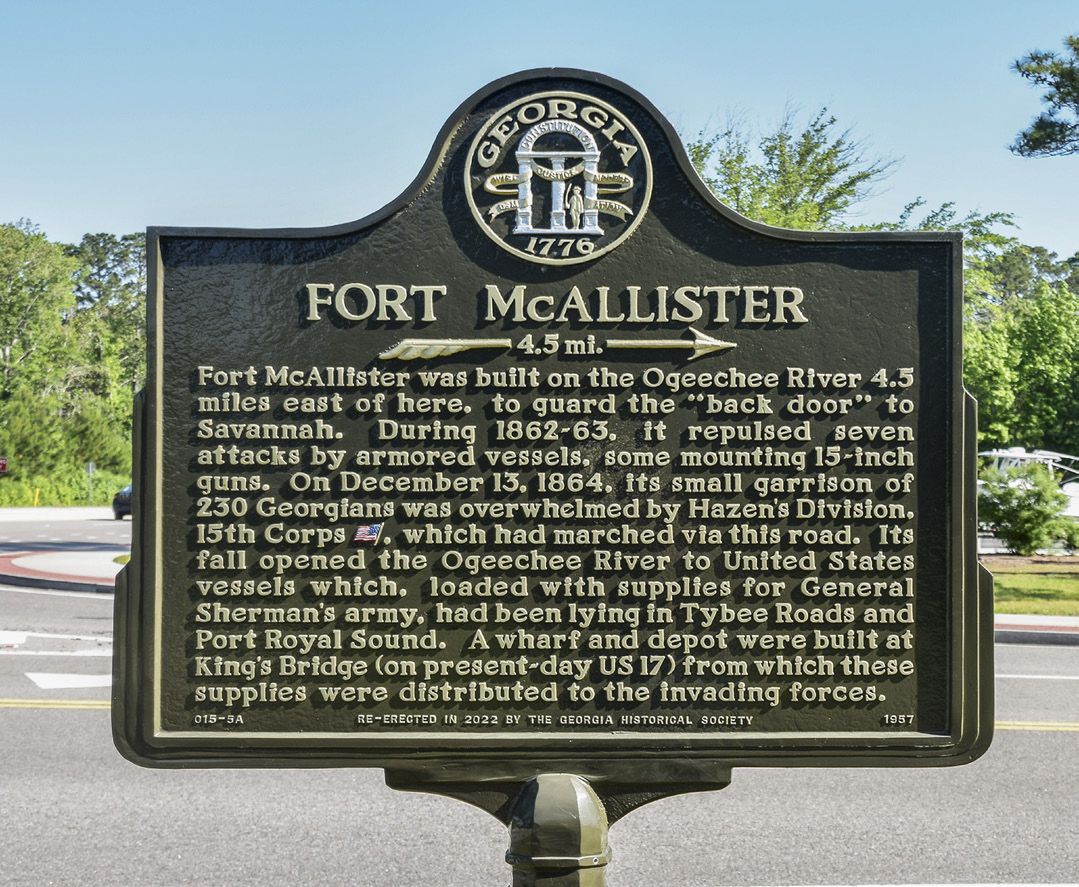
Fort McAllister, Georgia, Historic Marker.
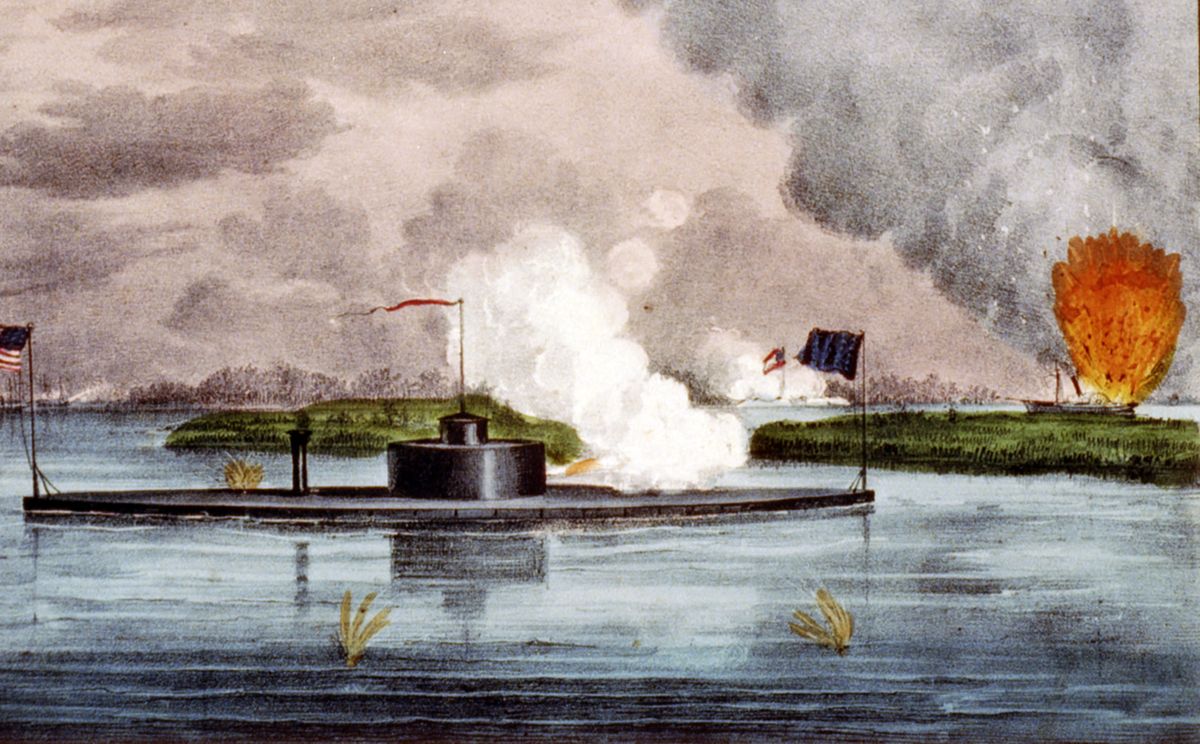
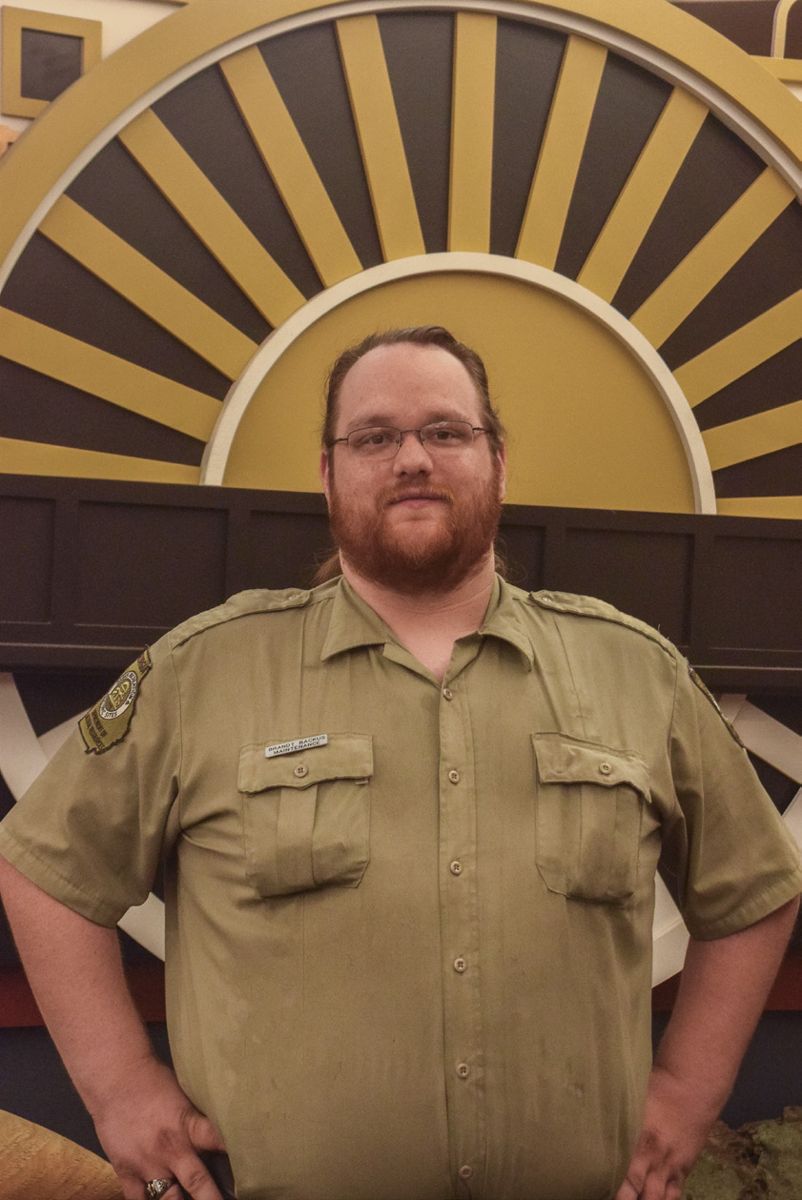
Fort McAllister on the Ogeechee River near Savannah, Georgia, was an invincible Confederate stronghold during most of the American Civil War. The bastion’s sturdy earthen bulwarks and heavy artillery proved to be a challenging coastal defense against threatening Federal gunboats and ironclads. After repelling numerous intense Union naval assaults, the Georgia fort gained a well-deserved reputation for being nearly invulnerable, until December of 1864. “Fort McAllister was essentially a backdoor area for Savannah. This place guarded the Ogeechee rivers,” said Brandt Backus with Georgia State Parks and Historic Sites. “It wouldn’t lead you directly to Savannah, but it would lead you to within shooting distance,” he noted. “This ended up being a supply depot for the Confederacy. On top of that, it was meant to be a shield to keep the Union from coming in.” The bastion’s unique design, strategic location, and earthen fortifications helped absorb the impact of cannon fire much better than traditional brick or stone walls. It gave Confederate soldiers a distinct advantage. Thick earthen bulwarks, bombproof shelters, and revetments supported by wood protected the artillerists at Fort McAllister. With its riverine position, battery placement, hot shot furnace, and rifled cannon, the outpost on the Ogeechee River was intimidating, especially to Union gunboats and ironclads. After Union troops vanquished the Confederate defenders in December 1864 in a brief but intense struggle, the fall of the Confederate stronghold cleared the route for General Sherman’s capture of Savannah to wrap up his famous March to the Sea. In June 1861, the Dekalb Rifles began the construction of Confederate coastal defenses on Strathy Hall, Joseph McAllister’s plantation. Fortifications built with slave labor protected the entrance of the Ogeechee River from Union warships. The original battery on the river’s Genesis Point included four gun emplacements, an artificer’s shop, a hot shot gun and furnace, and a 10-inch mortar. Confederate artillerymen permitted only friendly ships to pass Fort McAllister after Fort Pulaski capitulated to Federal forces in April 1862. Fort McAllister’s guns prevented Union warships from sinking the Confederate side-wheeled steamer Nashville, originally commissioned as the privateer Rattlesnake in 1862. “CSS Nashville was a blockade runner the Confederates used quite often to get through the Union blockades,” said Backus who has worked at Fort McAllister for four years. “The Union figured out early in the war that if they could keep supplies from getting in they would cripple the Confederacy.”
In January 1863, the ironclad USS Montauk fired on Fort McAllister for five hours resulting in no substantial damage. The ironclad attacked the fort again the next month. A Union shell struck a cannon trunnion and the detached fragment struck Major John B. Gallie, the commanding officer, killing him instantly. Otherwise the attack caused little damage.
“What happened here was really groundbreaking. The USS Montauk, a new Union top-of-the-line ironclad, made its way down here and fired several shots at the fort,” said Backus. “Hot shot did not cause much damage to ironclads and the ironclads were not doing much damage to the fort,” said Backus. “It was a fascinating duel, a dirt fort and a new ironclad fighting each other. It was kind of a stalemate.” In February 1863, the Montauk attacked and finally managed to sink the Confederate sidewheeler Nashville. A few days later several Union warships shelled the fortification but were unable to impose much destruction although the Union onslaught proved fatal to Tom Cat, the fort mascot. A key bombproof in the center of the fort served as a hospital and supply repository as well as a sanctuary during naval bombardments. A service magazine held powder, shells, fuses, and tools for the 32-pounder rifled gun. Most of the artillery at Fort McAllister pre-dated the Civil War. The Columbiads at Fort McAllister were large-caliber, smoothbore, muzzle loading weapons that could fire large shot and shells making them ideal for coastal defense. Fort McAllister prevented General William T. Sherman’s capture of Savannah in his March to the Sea. In December 1864, Sherman’s forces overwhelmed the Confederate defenders in short order via an infantry assault. “Eventually, the Union understood that the best way to get to Savannah was through Fort McAllister. They initiated a land siege on December 13, 1864,” said Backus. “The battle itself didn’t last long. It lasted for only fifteen minutes. It was pretty much overwhelming odds that took down the Confederacy here.” General William Hardee withdrew 10,000 Confederate troops from Savannah. Within a week, Sherman’s troops abandoned Fort McAllister and set the bunkers afire. On December 22, Sherman sent a telegram to President Lincoln offering Savannah as a Christmas gift. Note: Automobile mogul Henry Ford purchased the Fort McAllister site in the 1920’s. Ford made widespread renovations to the former Confederate stronghold in 1935. The property was acquired later by International Paper and donated to the state of Georgia in 1958. Admission is charged for both the state park and the Civil War Museum on site. Fort McAllister Historic Park and Museum is located at 3894 Fort McAllister Road in Richmond Hill, Georgia. Fort McAllister is open daily.
Bob Ruegsegger’s assignments frequently take him to historic sites throughout Virginia, the Mid-Atlantic, and the Southeast. His favorite haunts include sites within
Virginia’s Historic Triangle—Jamestown, Yorktown, and Williamsburg. Bob served briefly in the U.S. Navy. He Interior of Fort McAllister.
is a retired educator and has been an active newspaper journalist for over 25 years.
Custom Made
Civil War Muskets