Lincoln Forum 29th Meeting in Gettysburg
By Leon Reed · Originally published March-April 2025 · pp. 16–17
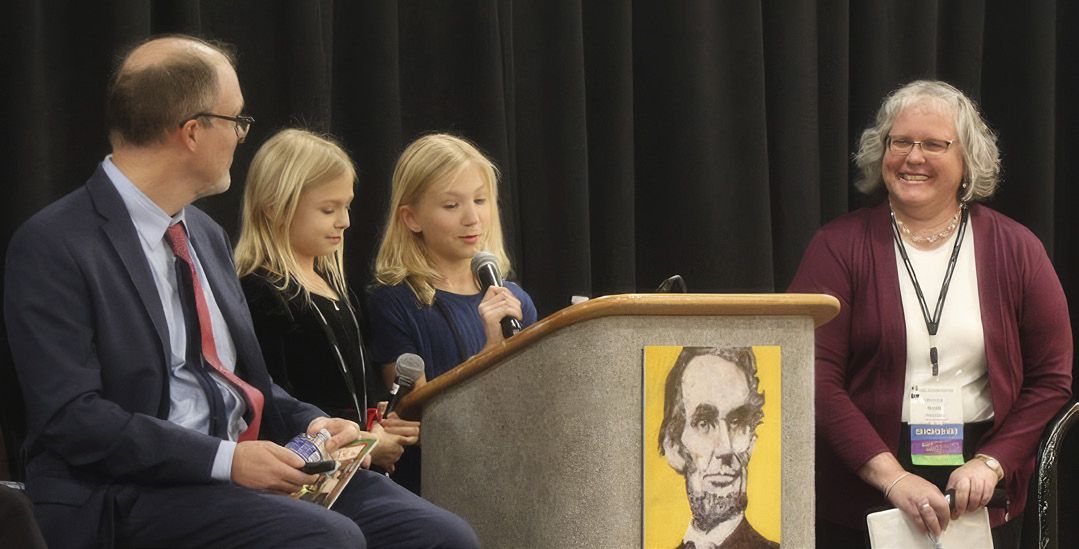
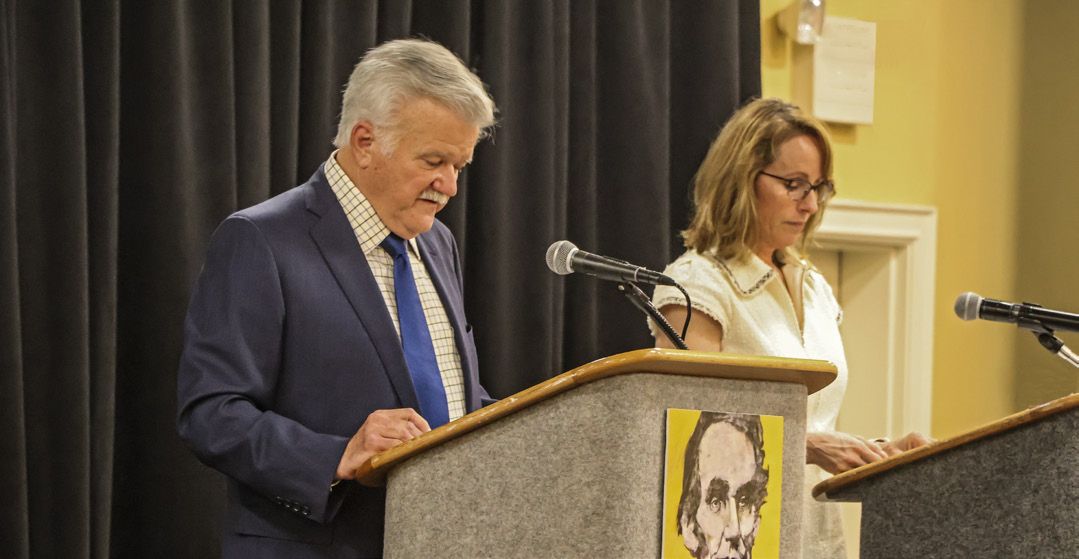
The 29th meeting of the Lincoln Forum, held November 16–18, 2024, at Gettysburg’s Wyndham Hotel, set new records for attendance, first-time attendees, and, perhaps most significantly, second-time attendees. “That’s good,” remarked conference vice chair Jonathan White, Professor of American Studies at Christopher Newport University. “I truly believe that The Lincoln Forum is unique among historical conferences, said Forum Vice Chair, Professor of American Studies at Christopher Newport University. It really feels like a family reunion. We catch up By Leon Reed with old friends over delicious meals and learn about our nation’s greatest president from some of the best speakers in the world. It’s something I look forward to every year.” With appearances by four Gilder Lehrman Lincoln Prize winners—Harold Holzer, Chair of the Lincoln Forum and Jonathan F. Fanton Director of the Roosevelt House Public Policy Institute at Hunter College; Jonathan White; Allen Guelzo, Senior Research Scholar at the Council of Humanities at Princeton University; and Craig Symonds, former professor at the U.S. Naval Academy and naval historian, plus four recipients of the Richard Current Award— Jeff Shaara, best-selling author of historical fiction; Gary Gallagher, John L. Nau Professor Emeritus at the University of Virginia; William C. Davis, former professor at Virginia Tech and prolific author; and Frank Williams, founding Chair of the Lincoln Forum and retired Chief Justice of the Rhode Island Supreme Court—the 2024 Forum may have featured its most distinguished speakers list yet. However, one remarkable feature of the event was the extent to which speakers mingled with attendees. Unlike many conferences where presenters keep to themselves, the Lincoln Forum fosters a collegial atmosphere. During lunches and breaks, speakers like Craig Symonds and Edna Greene Medford, Emerita Professor of History at Howard University, could be seen greeting guests like old friends or offering advice to student scholarship winners. The conference theme, “Lincoln in Fact and Fiction,” inspired engaging presentations. Forum Chair Harold Holzer addressed “Lincoln and Immigration,” noting the support Lincoln garnered from major immigrant groups, such as the Irish and Germans, and crediting him with establishing a pro-growth immigration policy. A particularly compelling session featured readings from an extraordinary collection of letters exchanged by a newlywed couple between 1863 and 1865. Over 500 letters revealed their candid opinions on the war, the challenges of wartime life, and a variety of other topics, captivating the audience. Another distinctive session included a panel discussion featuring Jonathan White; Jan Jacobi, a middle school teacher and author; Michelle Krowl, Lincoln Forum secretary and Civil War and Reconstruction specialist at the Library of Congress; and Karen Winnick, author and illustrator of children’s books. The audience was charmed when Jonathan White’s daughters introduced the session. A new speaker, Jonathan Grinspan, Curator of Political History at
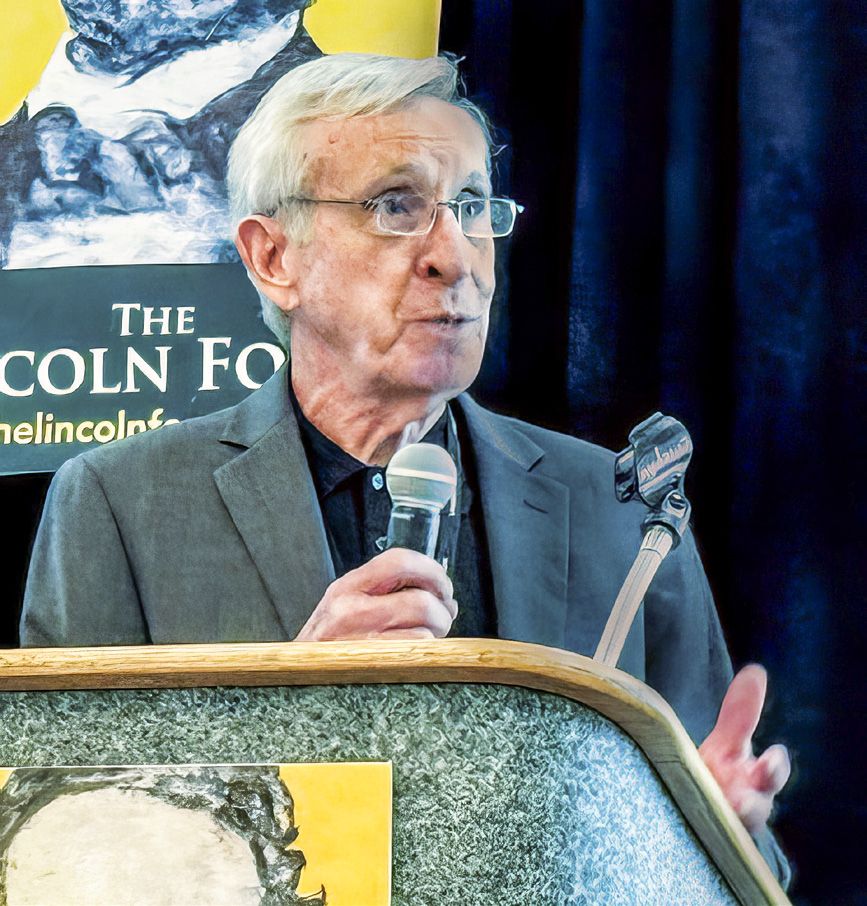
Gary W. Gallagher.
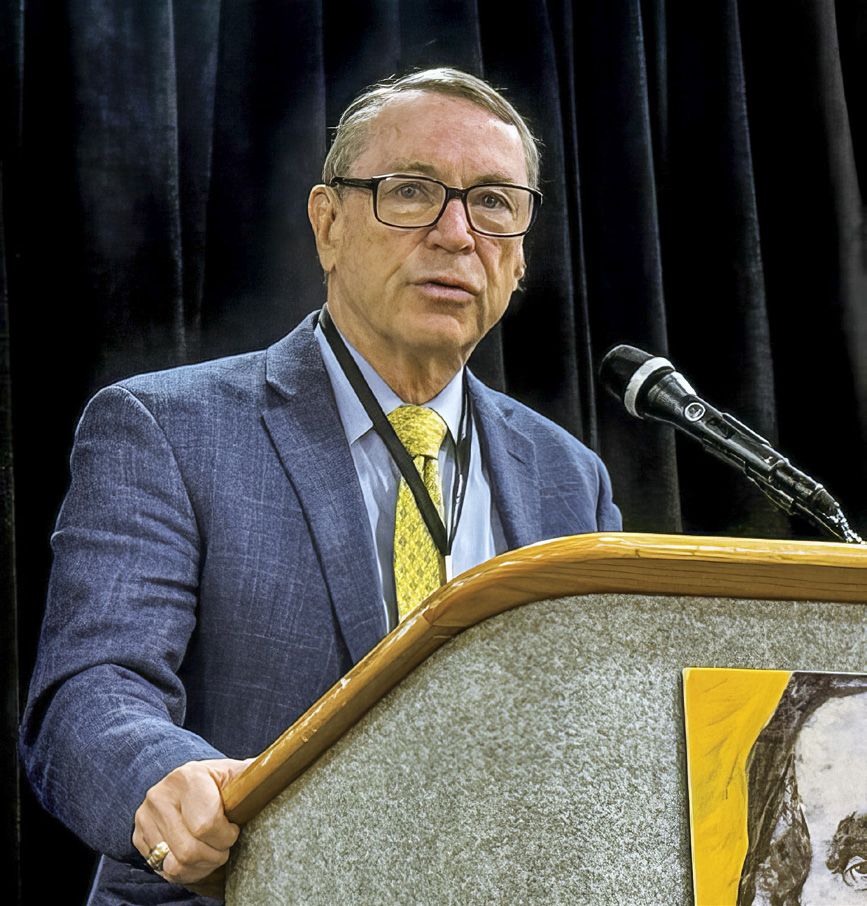
Jonathan W. White.
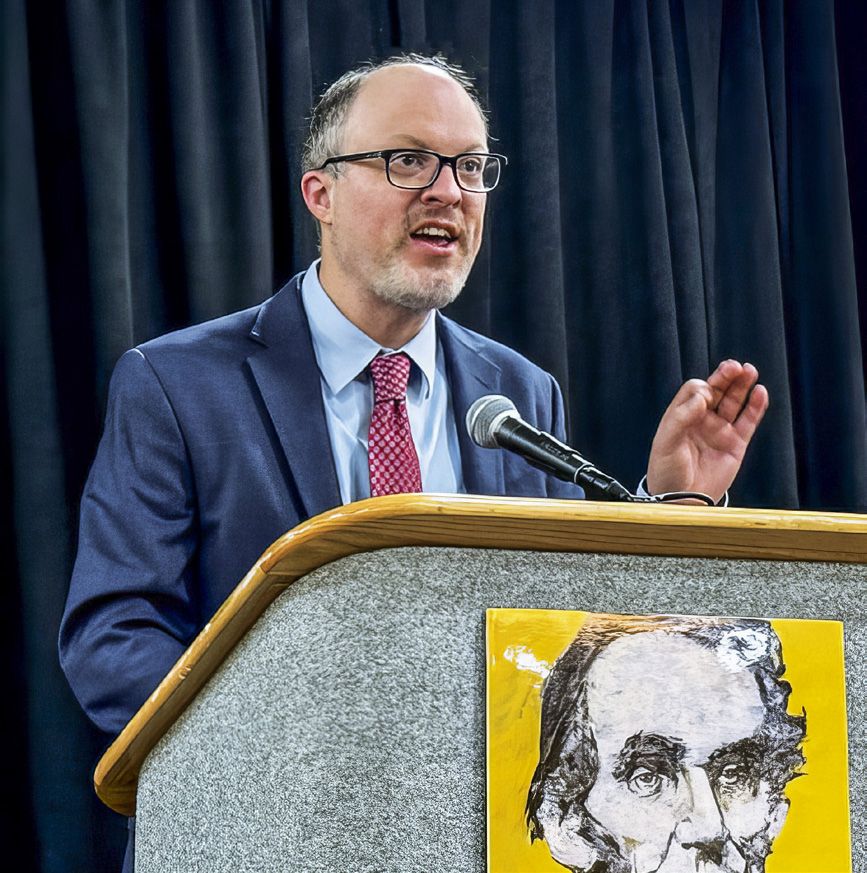
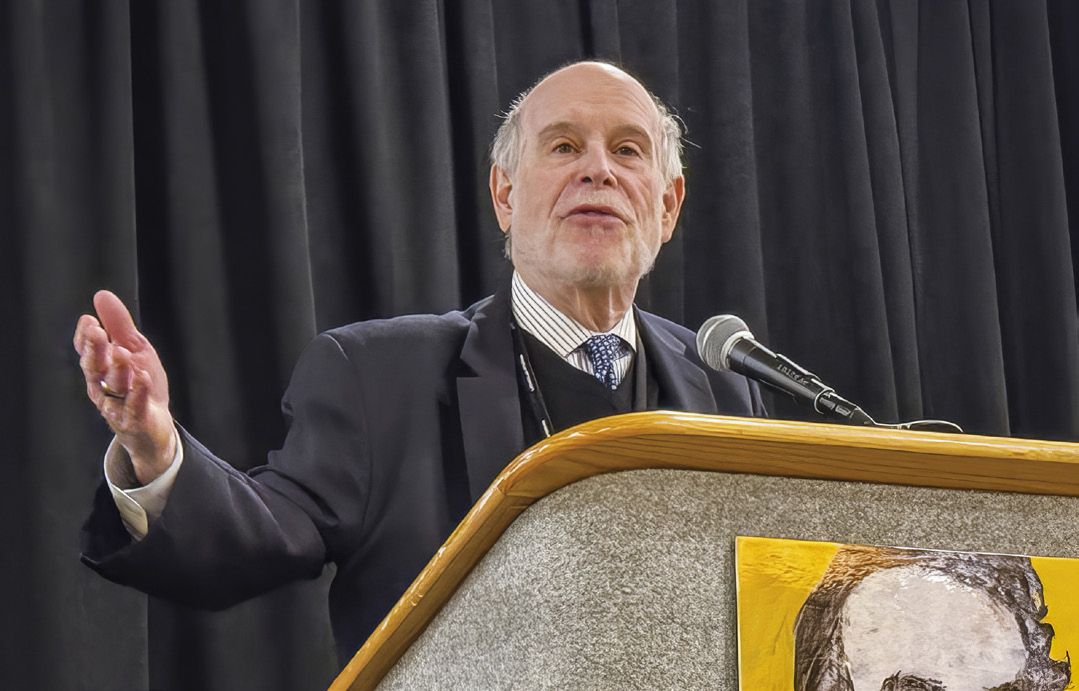
Craig L. Symonds.
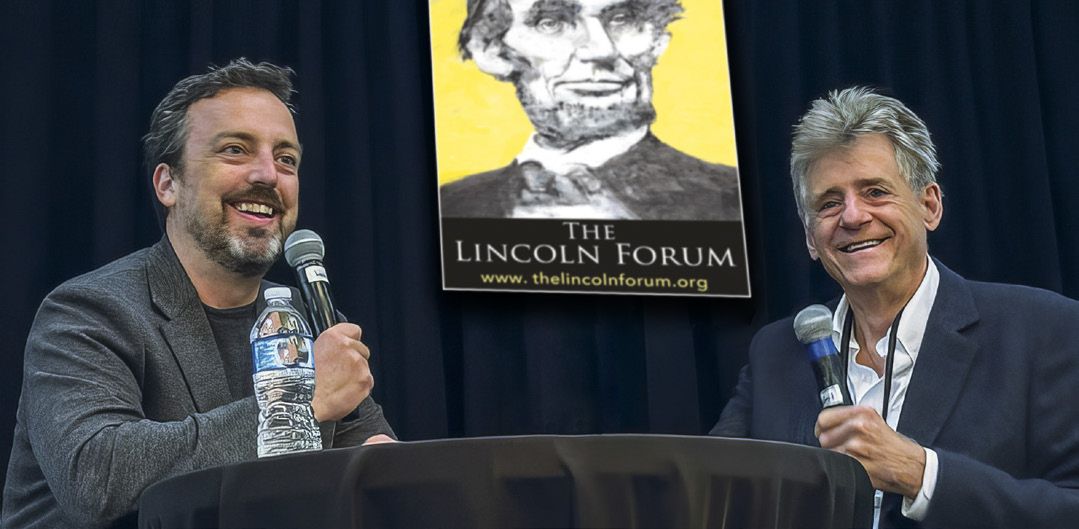
the Smithsonian National Museum of American History, presented on the “Wide Awakes,” a militant pro-Lincoln “marching society” active during and after the 1860 campaign. Grinspan’s presentation explored the group’s significant influence on the election and its role in propelling the nation toward civil war. For at least five years, the Lincoln Forum has emphasized scholarship on President Lincoln’s relationships with both free and enslaved African Americans. The accumulated presentations have painted a nuanced picture of Lincoln as neither the simplistic “Emancipator” nor the outright “Racist” often portrayed. Instead, a complex portrait has emerged, depicting Lincoln as sympathetic to African Americans’ aspirations and increasingly willing to act on their behalf as time progressed. While African Americans recognized Lincoln’s unprecedented steps, they also acknowledged the limits of his sentiment. The 2024 Forum continued this exploration with presentations like “Along the Funeral Train Route: African Americans React to Lincoln’s Death” by Leonne M. Hudson, associate professor at Kent State University. Breakout sessions included “The Black Wartime Experience,” featuring Edna Greene Medford, Brian Mitchell (Director of Research at the Abraham Lincoln Library and Museum), Leonne Hudson, and Michelle Krowl, and “Slave Trading During the Civil War,” led by Jonathan White and Robert Colby, assistant professor at the University of Mississippi. Evening headliners included Gary Gallagher and Joan Waugh, who spoke on “Lincoln’s Generals: A Reassessment;” Allen Guelzo, who addressed “Lincoln and Democracy;” and Jeff Shaara, who discussed “The Art of Historical Fiction” in conversation with documentary filmmaker Jake Boritt. Shaara’s work spans topics from the Civil War to World War II, the Mexican War, the American Revolution, Teddy Roosevelt, and the Cuban Missile Crisis. Reflecting on another successful conference, Harold Holzer shared his thoughts: “Every year, attendees come up to me and say, ‘Best Forum ever,’ and that’s exactly what we hope to hear—or we haven’t done our best job. This time, thanks to a stellar roster of presenters and a record crowd, it’s probable we did have the best Forum ever, and I couldn’t be more pleased. So many first-timers blended seamlessly with so many veterans, terrific scholars at the peak of their powers, compelling panel discussions—even warm weather—made it a standout year in every way.” He also expressed gratitude to “Vice Chair Jonathan White, administrator Diane Brennan, our board, and the Forum family who make this annual reunion the highlight of every year.”
Leon Reed is a retired U.S. Senate aide and defense consultant. He lives in Gettysburg, where he has written three photo books on Gettysburg monuments, a children’s’ book on Jennie Wade’s Story, and No Greater Calamity for the Country: North-South Conflict, Secession, and the
Onset of Civil War.