
Home of Joseph Holt Vision and Valor:
By Charles H. Bogart · Originally published July-August 2025 · pp. 56–57
The Home Of Joseph Holt A Staunch Unionist By Charles H. Bogart
Joseph Holt was born in Breckinridge County, Kentucky, in 1807. His family was a slave-owning family who raised tobacco and hemp on their farm near the village of Addison. Goods were shipped and received by packet boats calling at Stephensport, Ky. He left home as a teenager to study at St. Joseph College in Bardstown, Ky., and Centre College in Danville, Ky. Upon graduation, he practiced law in Elizabethtown and Louisville, Ky. Then he moved to Mississippi, where he hung out his law practice sign in Port Gibson, Natchez, and Vicksburg. Finding Mississippi not to his liking Joseph Holt returned to Louisville.
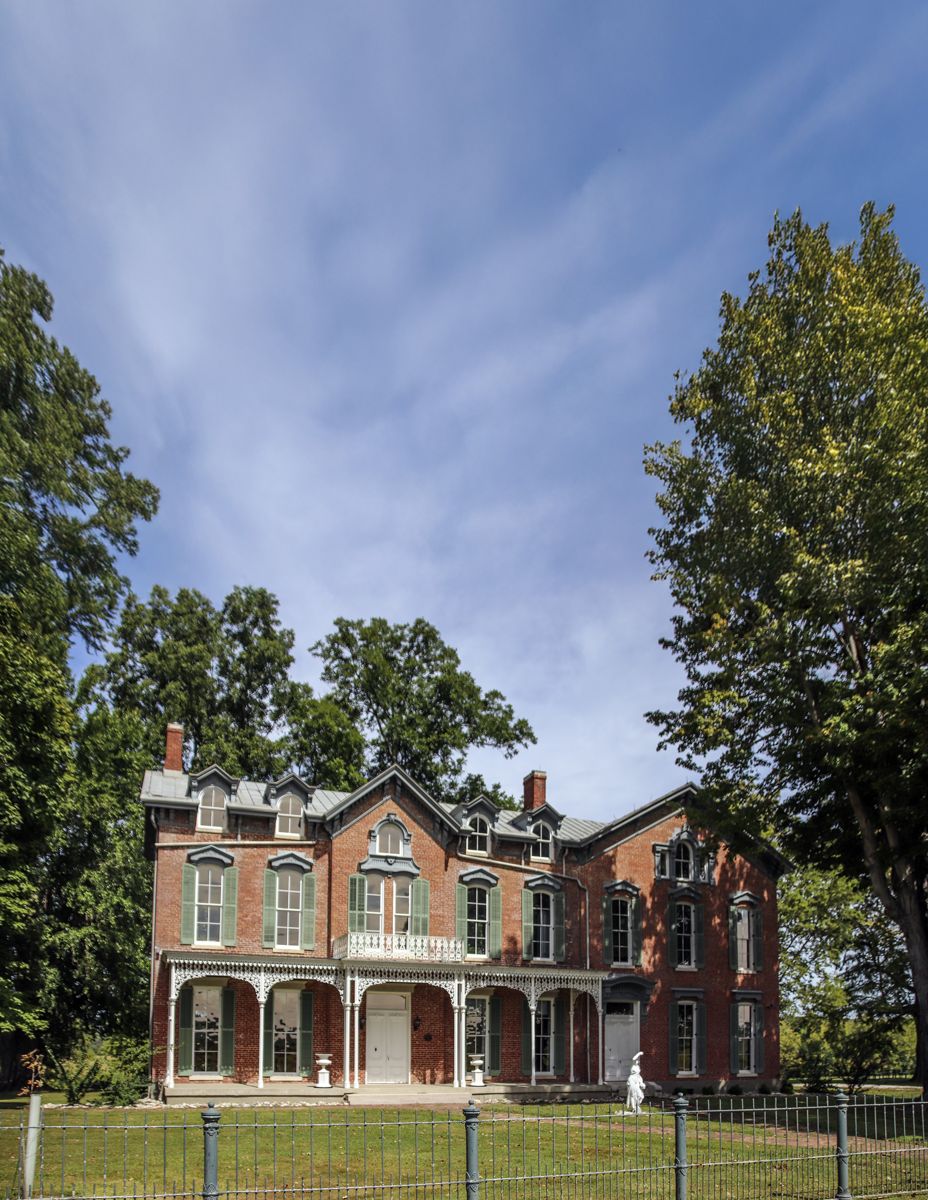
Front view of the circa 1850 Holt House.
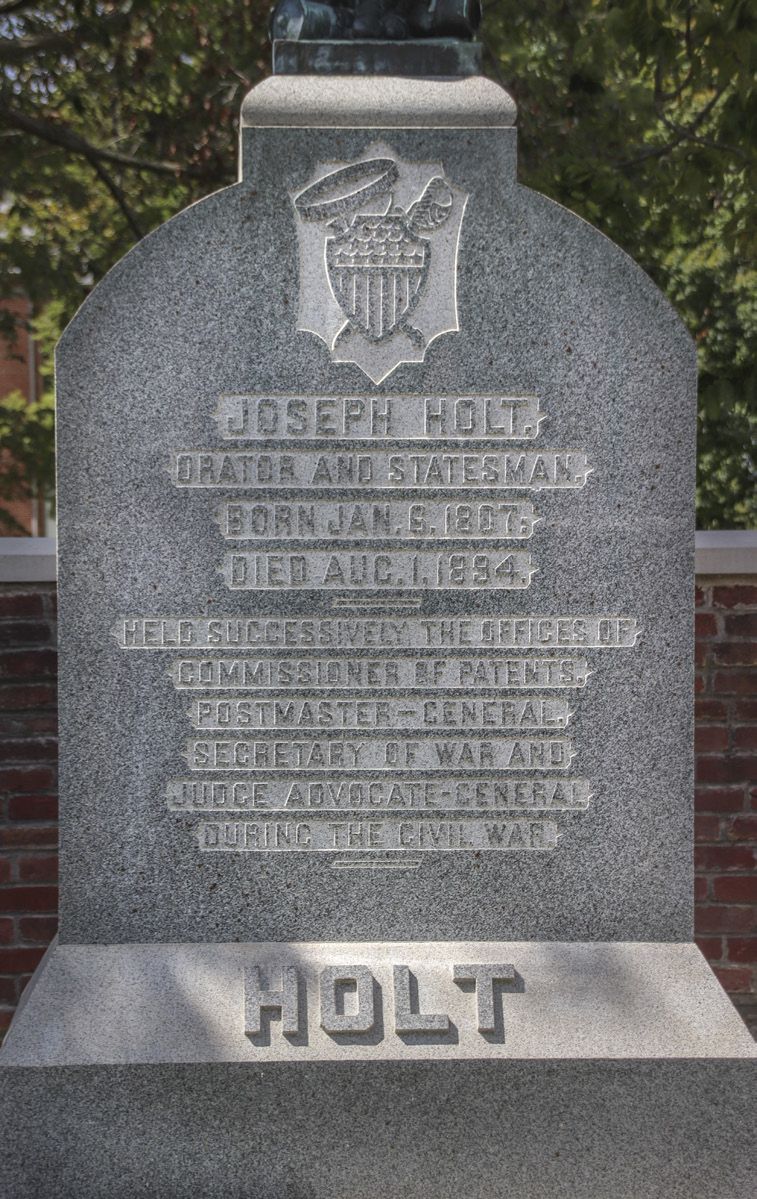
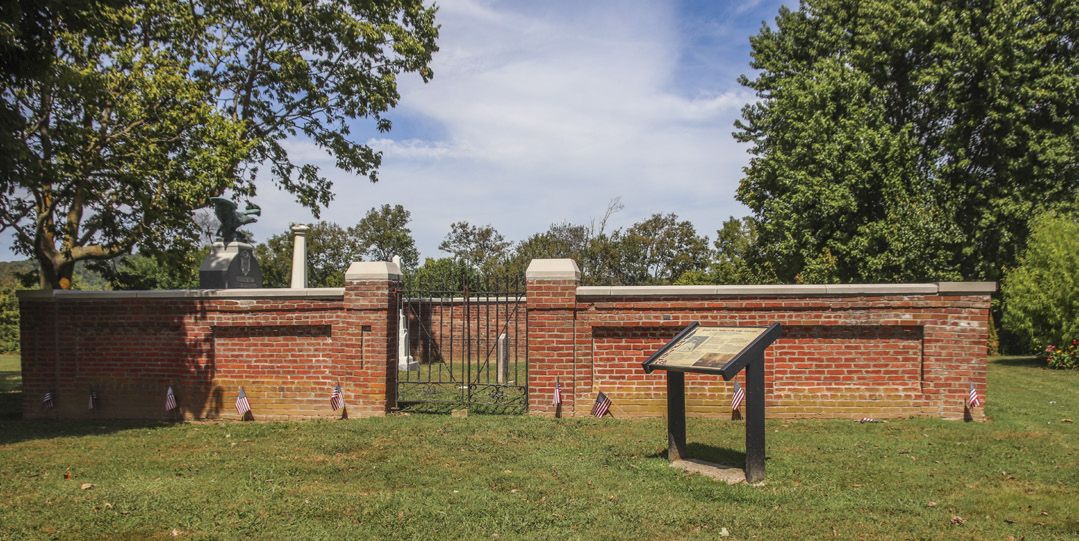
In 1857, President Buchanan appointed Holt Commissioner of Patents, and in 1859, Buchanan appointed him Postmaster General. In 1861, with the resignation of John B. Floyd, Holt was appointed Secretary of War. He urged President Buchanan to move against the succeeding Confederate states with little success. When Abraham Lincoln was sworn in as President of the United States, Holt returned to Kentucky to work with others to keep the state in the Union. In this endeavor, Holt and his Union friends were successful. Kentucky remained a loyal Union state throughout the war. With Kentucky successfully welded to the Union, Holt joined the Union Army and was given a commission as a colonel by President Lincoln and appointed Judge Advocate General of the Union Army. In 1864, Holt was promoted to brigadier general. During the War, Holt worked tirelessly to suppress what he considered treason or what, in his judgment, would lead to treasonable actions. Many of Holt’s wartime judicial actions are today considered unconstitutional, but Holt was willing to initiate any action he deemed necessary to preserve the Union. Holt, a slave owner, came to embrace the abolishment of slavery during the war. Holt was among those nominated to run as Lincoln’s Vice President in 1864. Many have speculated what the post-Civil War era would have been like with Holt as President and not Andrew Johnson. Holt’s place in history is anchored by one event, the trial of the President Lincoln Murders Conspirators. The trial, which ran from May to June 1865, saw eight individuals being found guilty. Postwar Holt continued to serve as Judge Advocate General until December 1, 1875. He then retired to practice law in Washington, D.C. He died on August 1, 1894, and was buried in the family cemetery, located next to the family’s home in Addison, Ky.
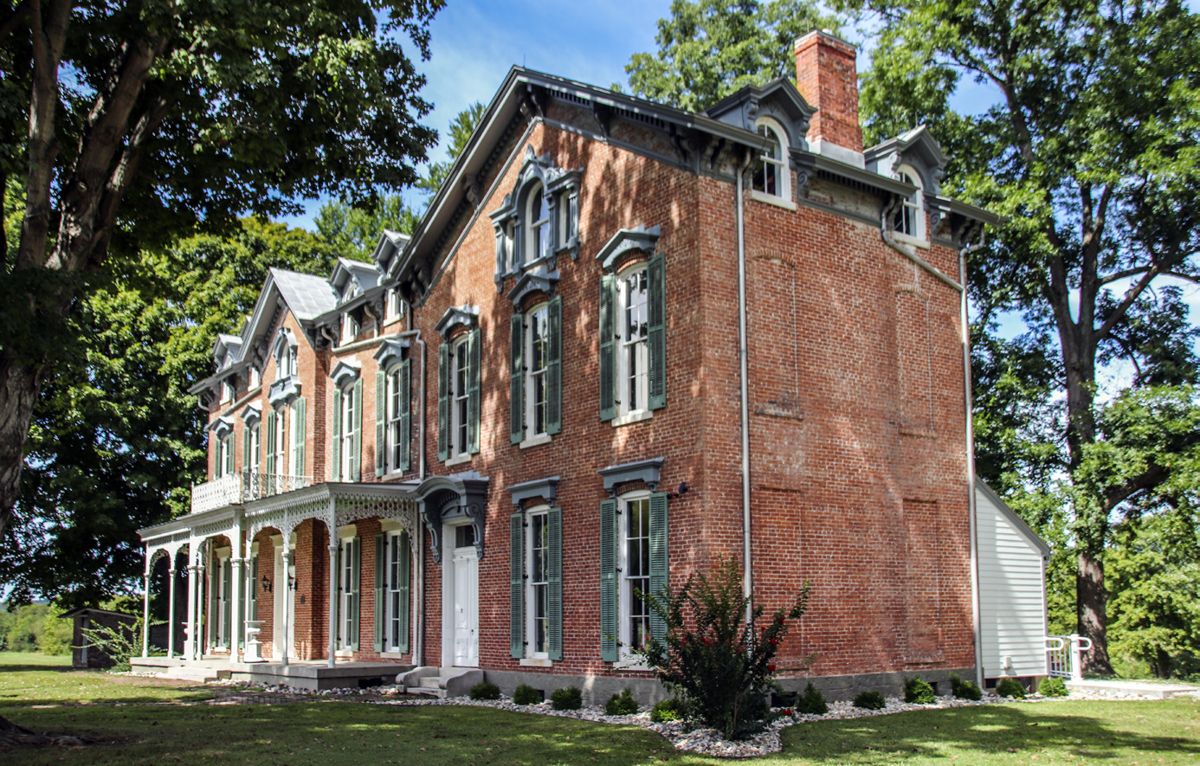
The Holt family house at Addison consists of two buildings merged into one. The left side of the house, which contains the porch, was built circa 1850, and the adjacent two-story structure was built circa 1870. The house is described as featuring Italian Villa features. Staircases at either end of the house extend to the third floor. The house has six fireplaces, 14-inch thick walls, and 10-foot high doors. During the last two decades of the 20th century, the house fell into disrepair, and in 2008, Breckinridge County bought the house and 19.5 surrounding acres. Since then, the county, using volunteers and money obtained by grants, has been slowly returning the house to its 19th-century appearance. The home is open for touring on the fourth Sunday during the months of April, May, June, July, and August. The home also serves as a “national meeting place of the United States Army JAGS.”
Charles H. Bogart has a BA from Thomas More University and an MCP from Ohio State University. He is employed as a tour guide at the Fort Boone Civil War Battle Site in Frankfort, Ky., Past-President of the Frankfort Civil War Roundtable, and is a board member of the Kentucky Civil War Roundtable. He has written several books and articles on military and naval history.
The Holt family cemetery. (Charles H. Bogart)
General Joseph Holt grave marker.
Side view of the circa 1870 side of the Holt House.
Photographs from the Original Article
Captions and credits appear in the article text as originally printed.