
Anesthesia
By Peter H. Jacobsohn, DDS · Originally published July-August 2025 · pp. 26–33
Anesthesia Before and During the Civil War By Peter H. Jacobsohn, DDS
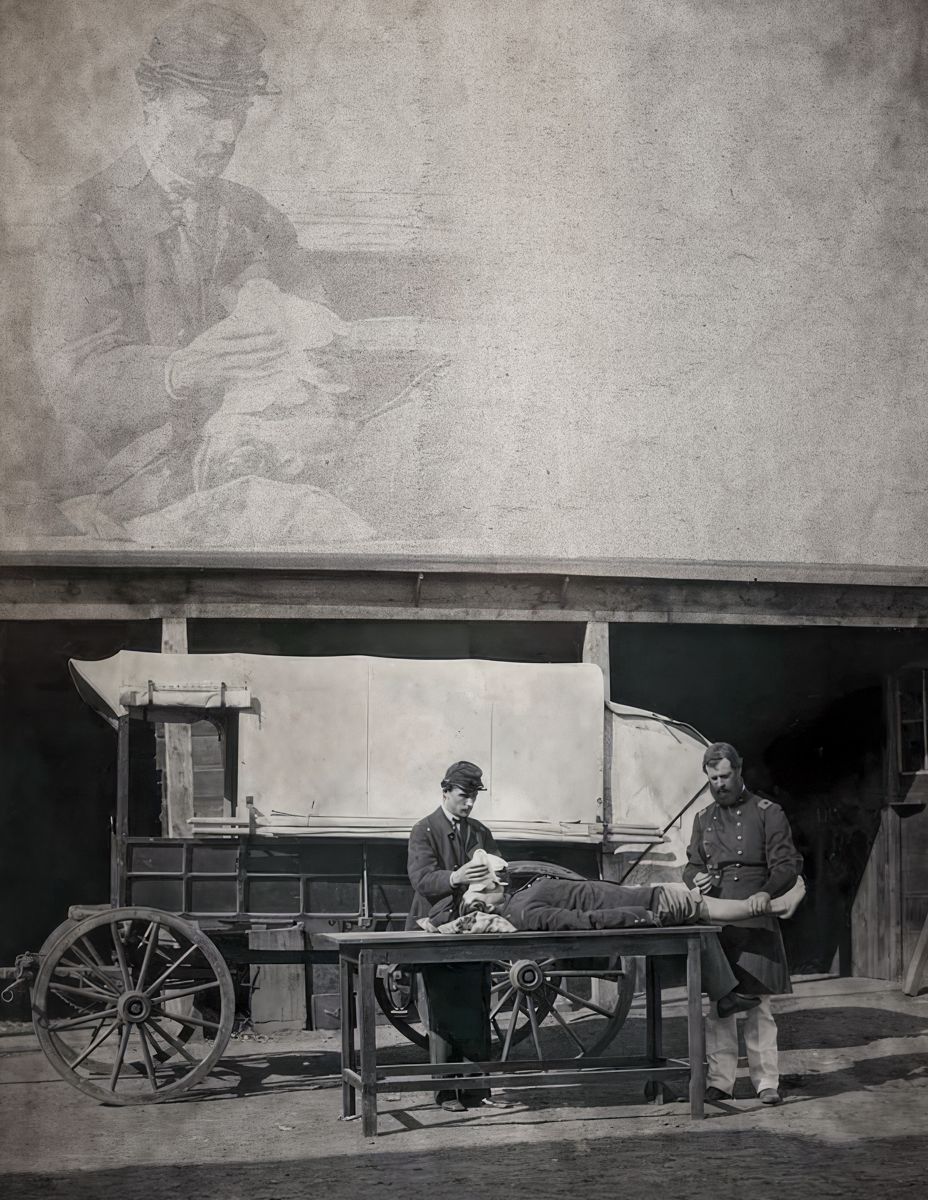
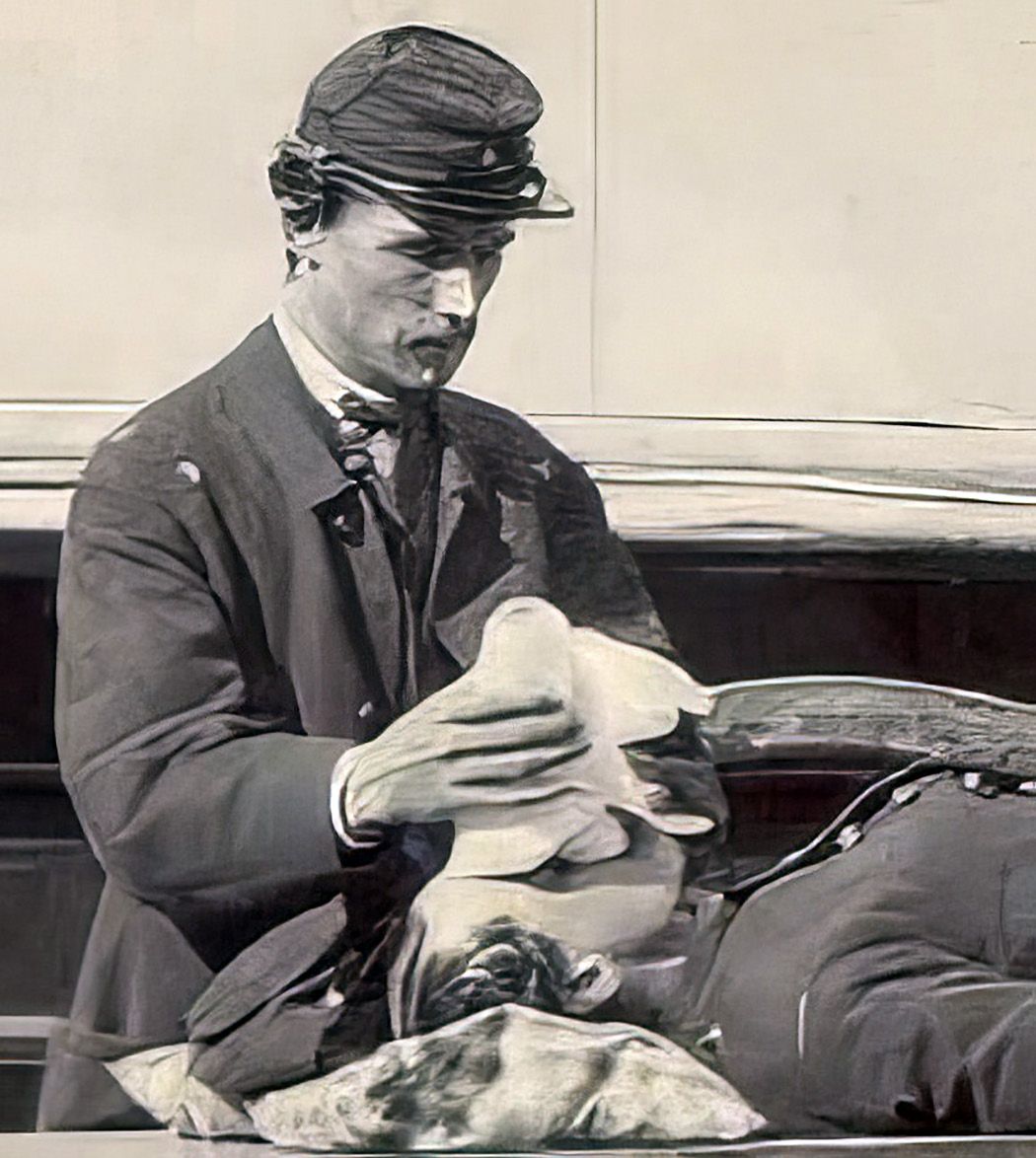
Mock surgery procedure with anesthetist administering anesthesia to a Union soldier while the surgeon examines his leg.
Anesthesia was a relatively new innovation and science at the time of the Civil War. However, the search for a way to conquer pain is as old as humanity itself. Early writings referenced the use of sleepinducing and pain-relieving potions. The ancient Egyptians and Chinese are believed to have used Indian hemp and poppy juice. The Greeks and Romans also used mandragora. Opium, hypnosis, and mesmerism were among many other methods in early use. It was not until the l840s that significant advances were made in discovering anesthetic agents and establishing techniques that resulted in anesthesia suitable for surgery. Two dentists, Dr. Horace Wells from Hartford, Conn., and Dr. William T.G. Morton from Boston, Mass., are credited with bringing the life-saving benefits of anesthesia to the world.
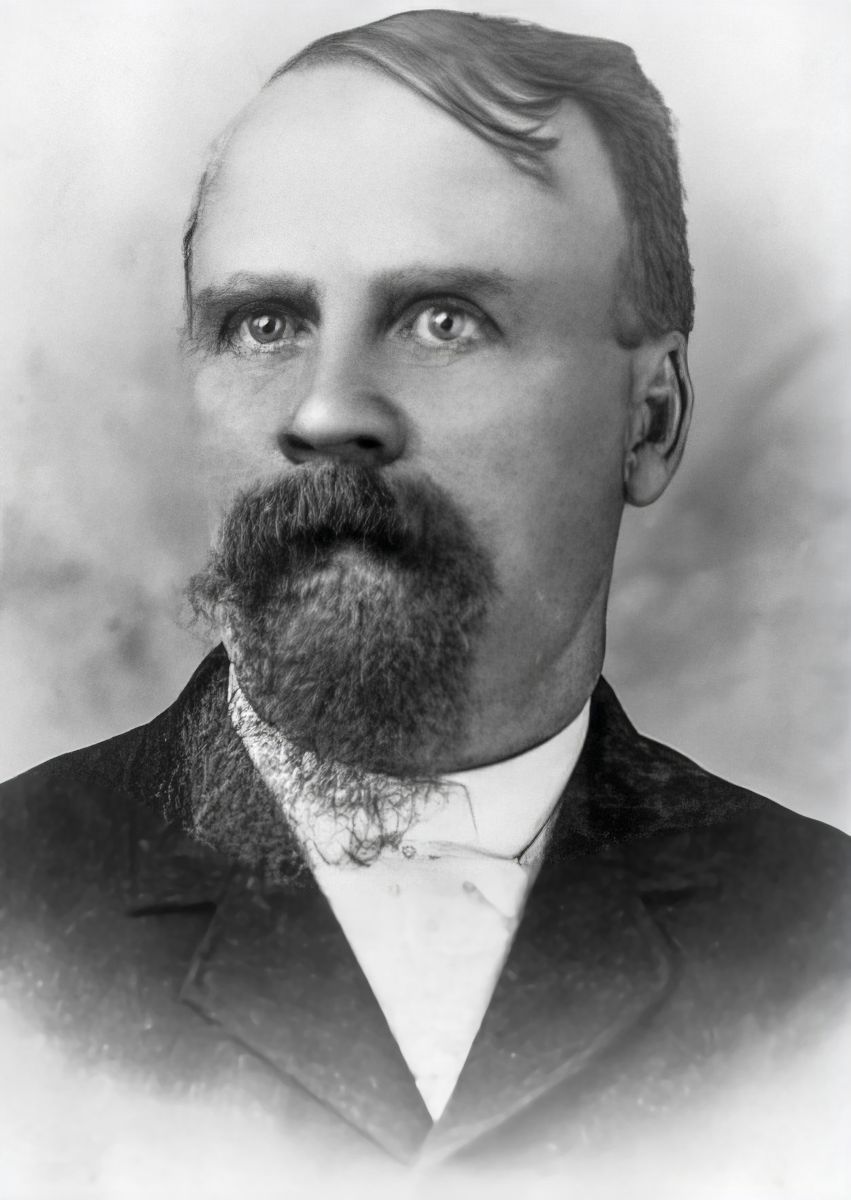
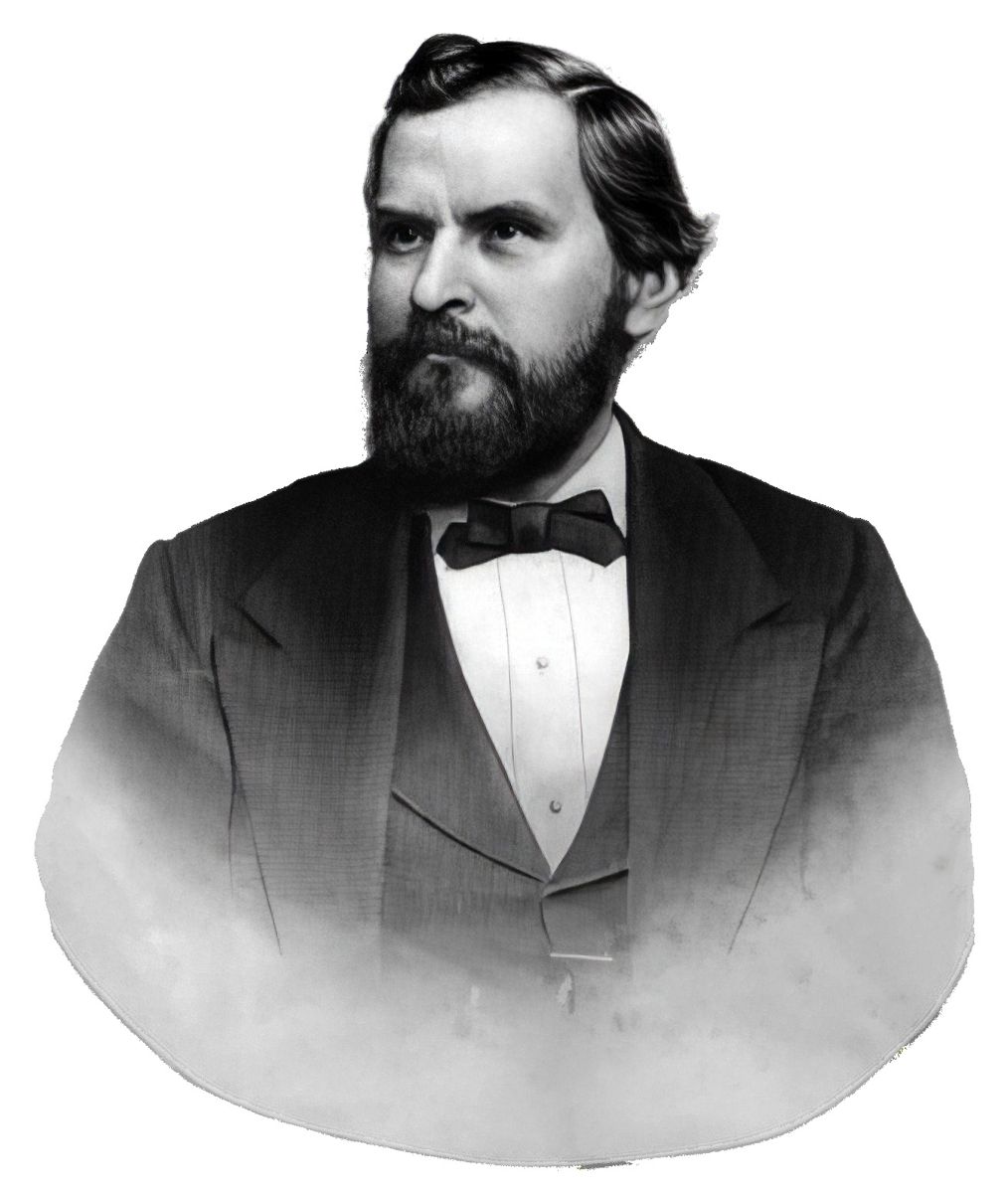
Dr. William T.G. Morton.
Dr. Horace Wells.
Wells, in 1844, demonstrated that the inhalation of nitrous oxide could produce a state of anesthesia. Morton, a one-time partner of Wells, realizing that nitrous oxide would not produce anesthesia profound enough for major surgery, researched other options. On October 16, 1846, he demonstrated to the doctors and students assembled in an operating room at Massachusetts General Hospital in Boston that inhaling ether vapor could provide the anesthesia necessary for surgeons to do pain-free surgery. Horace Wells would become known as the Father of Anesthesia, and William Morton would become known as the Father of Surgical Anesthesia.
Dr. Samuel Guthrie.
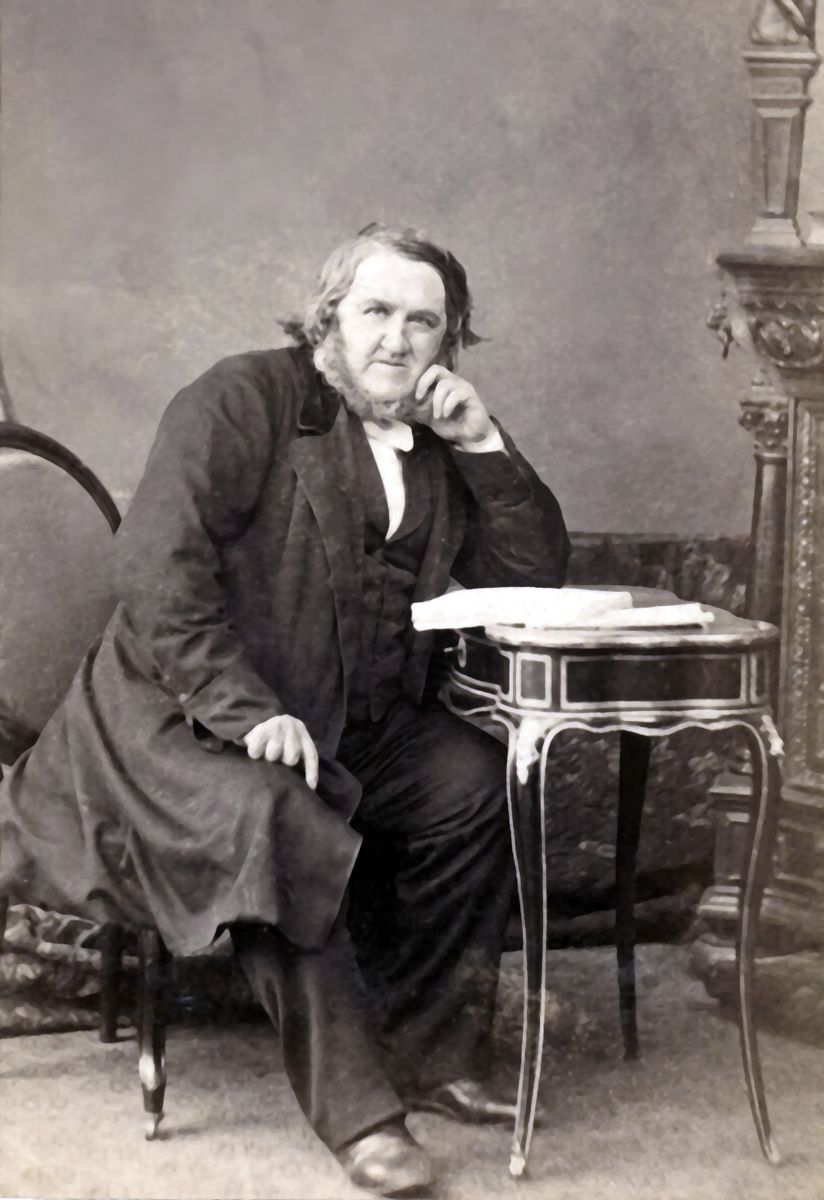
Dr. James Young Simpson.
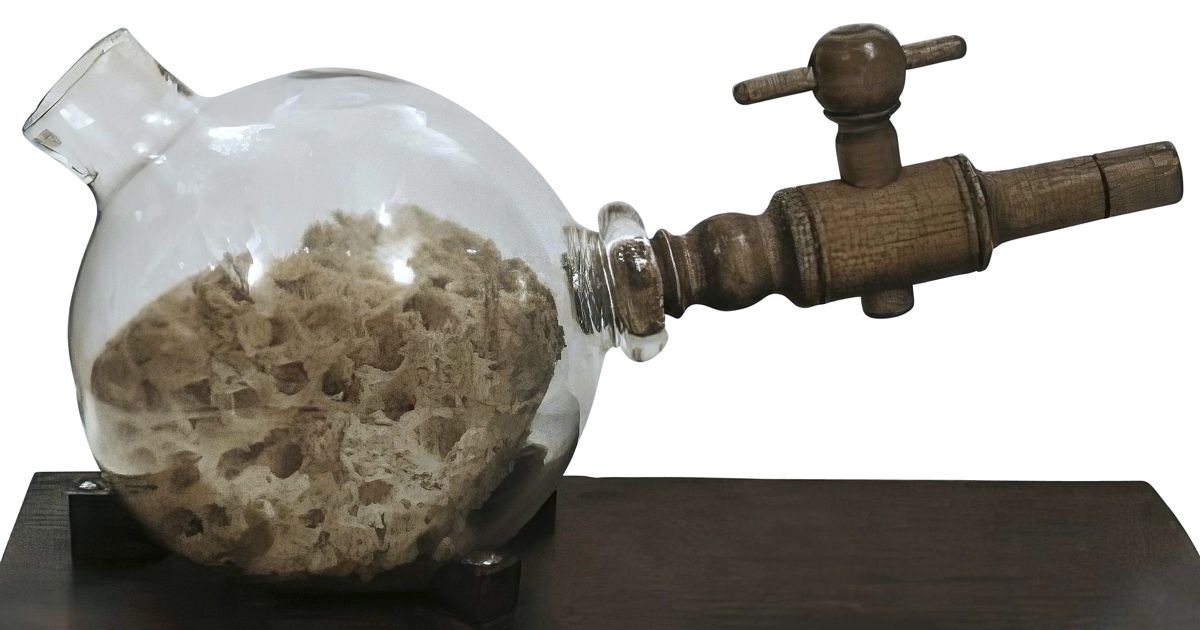
Dr. Morton’s inhaler.
The discovery of chloroform, the other important anesthetic, is credited to Dr. Samuel Guthrie, an American physician and scientist, in 1831. However, its anesthetic properties were not realized until 1847, a year after Morton introduced ether. That year, a Scottish professor of medicine and surgery, Dr. James Y. Simpson, introduced chloroform into medical practice. He had sought a way to relieve the pain of childbirth. After self-experimentation with chloroform, he successfully incorporated it into the practice of obstetrics and midwifery. Thereafter, Queen Victoria had chloroform administered during the birth of two of her children. The use of general anesthesia was becoming a well-recognized concept. It should be noted that selfexperimentation was common among medical pioneers. Wells, Morton, and Simpson did so before approving their findings for general use. They were individuals of great courage who risked their own well-being to bring the benefits of anesthesia to the world. Ether and chloroform anesthesia opened the door to advances in medicine and surgery that, heretofore, were impossible. Two anesthetics were now available for civilian and military use. Militarily, both ether and chloroform saw limited use during the Mexican War (1846-48) and the Crimean War (1853-56). It was not until the American Civil War that the use of anesthetics became standard practice for many American physicians. Union records show that of the more than 80,000 operations performed during the war, only about 250 were done without an anesthetic. Chloroform eventually became the anesthetic of choice. It had fewer side-effects than ether, had a rapid effect, and was not flammable. Operations were often conducted near open flames, where ether could be explosive.
The administration of ether or chloroform early on was by what was termed the “open drop” method. A cloth or towel fashioned into a cone was placed over the patient’s nose and mouth. The anesthetic was dropped onto the cone from which it was inhaled until the patient became unconscious and insensitive to pain. The “Bite the Bullet” myth has largely been discounted. Dental examination of archaeologically recovered bullets with bite marks has shown that most teeth marks found in lead Minié balls were made by animals scavenging shallow graves. Anesthetics were relatively plentiful, both North and South. Laboratories produced them on both sides. In addition, illegal trading between the lines included medical supplies. The Southern states also received medical supplies via blockade runners.
Ether/chloroform drop bottle.
Dr. Wm. Thomas Green Morton, The First American Military Anesthesiologist “By Whom Pain In Surgery Was Averted And Annulled”
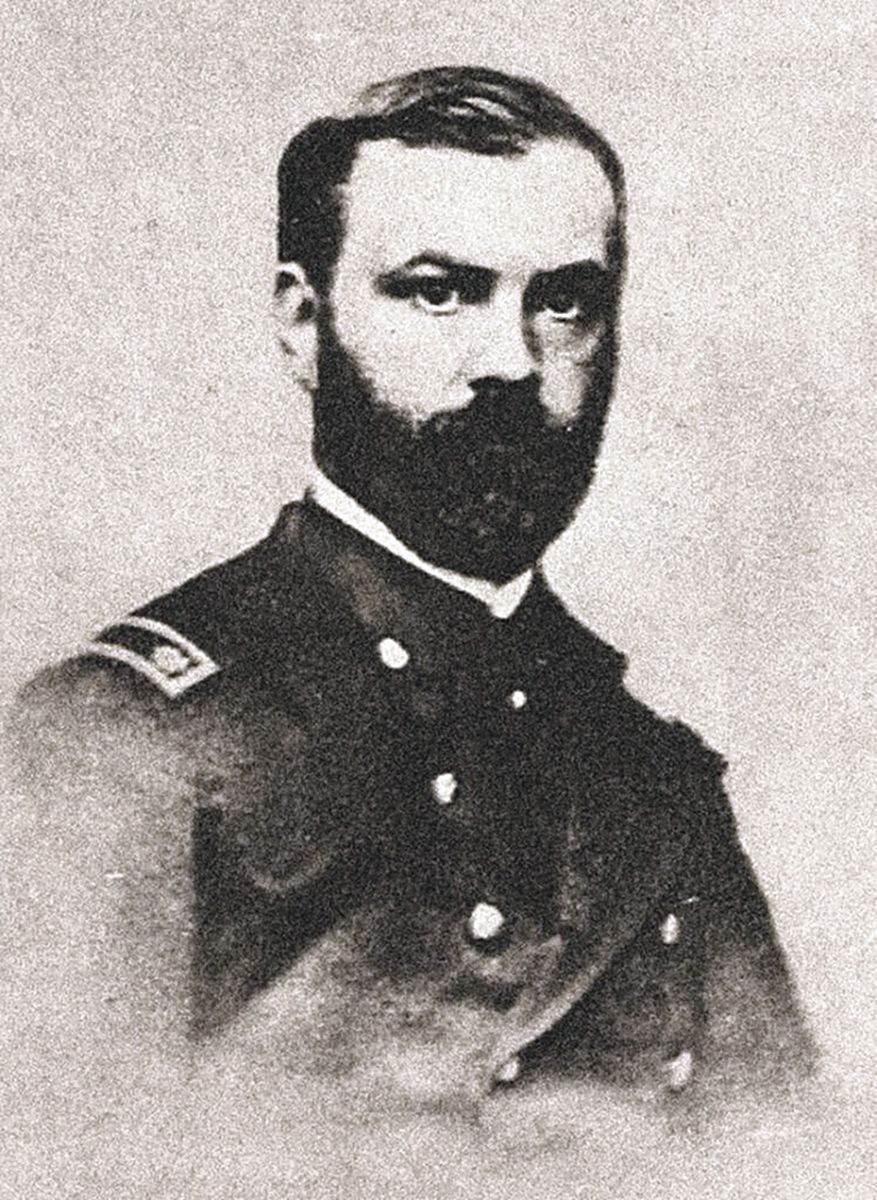
In 1892, Dr. John H. Brinton, a prominent Philadelphia physician, in an address to the graduating class of Jefferson Medical College, related the following experience:
Surgeon Dr. John Hill Brinton.
“In the early summer of 1864 during the fierce contest in the Virginia Wilderness, I was present officially at the headquarters of Lt. General Grant, on whose staff I had previously served. When in conversation with him, an aide approached and said to him that a stranger, a civilian doctor, wished to see him for the purpose of obtaining an ambulance for his personal use in visiting the field hospitals. The answer of the General was prompt and decided: The ambulances are intended only for the sick and wounded, and under no circumstances can be taken for private use.’ This response was carried as given to the waiting applicant, a travel-stained man in brownish clothes, whom at a distance I thought I recognized. I went to him and found that he was Dr. Wm. T. G. Morton. I asked him to wait a minute and returned to the General. On repeating his request, I received the same answer. ‘But, General, I venture to say, If you knew who that man is, I think you would give him what he asks for.’ ‘No, I will not,’ he replied. ‘General, I am sure you will give him the wagon: he has done so much for mankind, much for the soldier, more than any civilian has ever done before, and you will say so when you know his name.’ The General took a cigar from his mouth and asked,
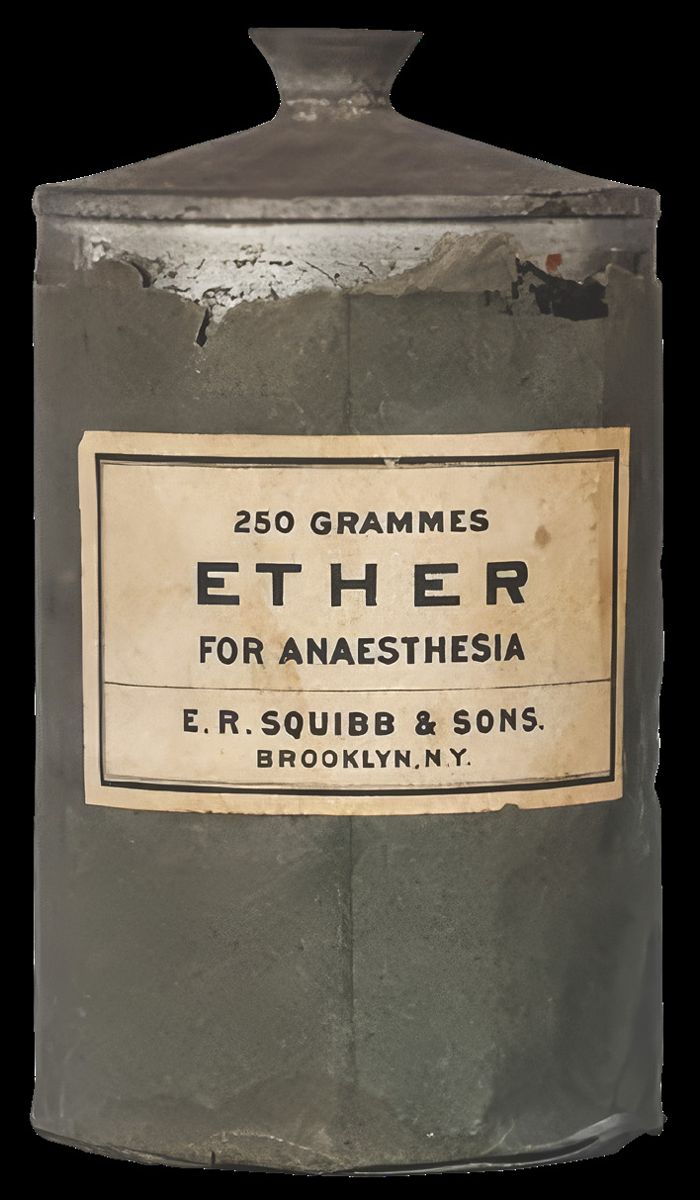
Original ether container “ETHER / For ANAESTHESIA [sic].”
Dr. John Julian Chisolm.
Dr. Chisolm’s ether inhaler, disassembled.
Illustration of Dr. Chisolm’s Inhaler. (Medical and Surgical History of the War of the Rebellion, Vol. 2, Part 3, 1883, p. 889.) Dr. Chisolm’s ether inhaler.
‘Who is he?’ He is Dr. Morton, the discoverer of ether, I answered. The General then said, ‘You are right, Doctor, he has done more for the soldier than anyone else, soldier or civilian, for he has taught you all to vanish pain. Let him have the ambulance and anything else he wants.’ Dr. Morton recently corresponded to me (Dr. Brinton) that he was also accorded all the hospitalities of the headquarters by the order of General Grant.” In 1862, Morton joined the Army of the Potomac as a volunteer. On that day in May 1864, Morton had come to volunteer his services in administering ether anesthesia to the sick and wounded soldiers during the Battle of the Wilderness (May 5-7, 1864). He had participated in the Battles of Fredericksburg (December 11-15, 1862) and Chancellorsville (April 30-May 6, 1863), administering ether anesthesia to thousands of soldiers undergoing surgery. He would now treat casualties from the Wilderness and Spotsylvania (May 8-21, 1864). Walt Whitman, who served as an army nurse, described what awaited Morton:
“There they lie, from 200 to 300 poor fellows – the groans and screams – the odour of blood, mixed with the fresh scent of the night, the grass, the trees – that slaughterhouse! Oh, well is it their mothers, their sisters cannot see them. One man is shot by a shell, both in the arm and leg-both are amputated-there lie the rejected members. Some
have their legs blown off – some bullets through the breast – some indescribably horrid wounds in the face or head, all mutilated, sickening, torn, gouged out-some in the abdomen-some mere boys.” Morton was in his element. From dawn to nightfall and often by torchlight far into the hours of darkness, he was at work, giving ether to those about to have surgery. In this way, he was able to save more than 2,000 soldiers from the pain and agony of surgery. Morton had invented an inhaler, which he no doubt used in his work. It was a glass globe in which there was a sponge saturated with ether. The old method of “open drop” described earlier was wasteful. Ether and chloroform were volatile agents that readily evaporated. His inhaler largely prevented that. It also prevented inhalation by those nearby. Interestingly, a Confederate surgeon, Dr. Julian Chisolm, invented a similar device. It was a small pocket-sized metal container with a sponge or cloth inside that had the same function as the Morton inhaler. An excerpt from one of Morton’s letters to a friend indicated that once the appropriate surgery had been decided:
“I prepared the patient for the knife, producing perfect anesthesia in the average time of 3 minutes. The operators followed, performing their operations with dexterous skill, while the dressers in their turn bound up the stump.” He would also go on to say that “he was conscious that he was the instrument of averting pain from thousands of maimed and lacerated heroes who have calmly rested while undergoing surgical operations which would have given them intense torture. They are worthy of a nation’s gratitudehappy am I to have alleviated their suffering.” An Associated Press correspondent who witnessed Morton at work wrote,
The value of anesthesia to the army was enormous. Now that the men knew that if they were wounded, the operations could be made painless, they faced the enemy even more courageously than before. Morton passed away in July 1868 at the age of 49. The grateful citizens of Boston erected a monument at Mount Auburn Cemetery in Cambridge, Mass. It bears the inscription:
Anesthetist administering anesthesia to a Union soldier during surgery.
“INVENTOR AND REVEALOR OF ANESTHETIC INHALATION, BY WHOM PAIN IN SURGERY WAS AVERTED AND ANNULED, BEFORE WHOM IN ALL TIME SURGERY WAS AGONY, SINCE WHOM SCIENCE HAS CONTROL OF PAIN.”
The Civil War brought about many innovations. The knowledge gained in the widespread use of inhalation anesthetic agents was certainly among the most meaningful.
References Fulop-Miller, R., Triumph Over Pain, The Literary Guild of American, Inc., New York, 1938. Hambrecht, F.T., “Dr. Chisolm’s Inhaler, A Rare Confederate Medical Invention,” Journal of Carolina Medical Association, May 1991. Houghton, I.T., Anaesth Intensive Care, Some Observations on Early Military Anaesthesia, June 2006.Jacobsohn, Peter H., “Victory Over Pain, An Historical Perspective,” Anesthesia and Pain Control Dentistry, Vol. 1, No. 1, 1992.
Ashley R. Rhodes Revolutionary War through WWI
- Specializing in Civil War Documents * Visit my eBay store at: www.ebay.com/str/reddevilsmilitaria
Over 16,000 sales and 100% Positive Feedback
Ashley Rhodes
(318) 419-0535 or email luckydog530@yahoo.com
Jacobsohn, Peter H., “Dentistry’s Answer to the ‘Humiliating Spectacle,’” Journal of the American Dental Association, Vol. 125, December 1994. Knight, Nancy, “Pain and its Relief,” Exhibition Catalogue, Smithsonian Institution, 1988. Mac Quitty, Betty, Victory Over Pain, Morton’s Discovery of Anesthesia, Taplinger Publishing Co., Inc., New York, 1971. Morton, William, J., “The Use of Ether as an Anesthetic at the Battle of the Wilderness,” Journal of The American Medical Association, April 1904. Pawling, Jesse, Dr. Samuel Guthrie, Discoverer of Chloroform, Brewster Press, 1947. Rowland, John, The Chloroform Man, Roy Publishers, Inc., 1961.
Peter H. Jacobsohn, DDS, is a retired Chairman of Oral
and Maxillofacial Surgery at Marquette University
School of Dentistry in Milwaukee, WI, and retired from private practice. He is a past-president of The American Dental Society of Anesthesiology, The International Federation of Dental Anesthesiology Societies (IFDAS), The American Academy of the History of Dentistry, and The Milwaukee Civil War Round Table. He is the recipient of the IFDAS Horace Wells Award and the Award of Merit of the Horace Wells Club of Hartford, CT.
civilwarnavy.com
Join the Crew!
1 Year—4 Issues: $37.95 Subscribe Now at civilwarnavy.com Or send a check to: CSA Media, 29 Edenham Court, Brunswick, GA 31523 International subscriptions subject to postage surcharge.
Greg Ton 19th CENTURY LIVING HISTORY!
Buying the Finest in Confederate, Obsolete and Southern States Currency
James Country
MERCANTILE
Ladies – Gentlemen Civilian – Military • Books • Music • Buttons • Patterns • Fabrics • Weapons
The home of
HOMESPUN PATTERNS©
Since 1978
GregTonCurrency.com
Greg Ton • Franklin, Tennessee Phone: 901-487-5944 • Email: GTon1@aol.com
Everything needed by the Living Historian! Our Clothing is 100% American Made!
Mens, Ladies and Children’s • Civilian Clothing • Military Clothing • Military Accessories • Accoutrements
111 N. Main Liberty, MO 64068 816-781-9473 • FAX 816-781-1470
Photographs from the Original Article
Captions and credits appear in the article text as originally printed.