Through the Lens My Father is Here
By Stephanie Hagiwara · Originally published January-February 2025 · pp. 52–53
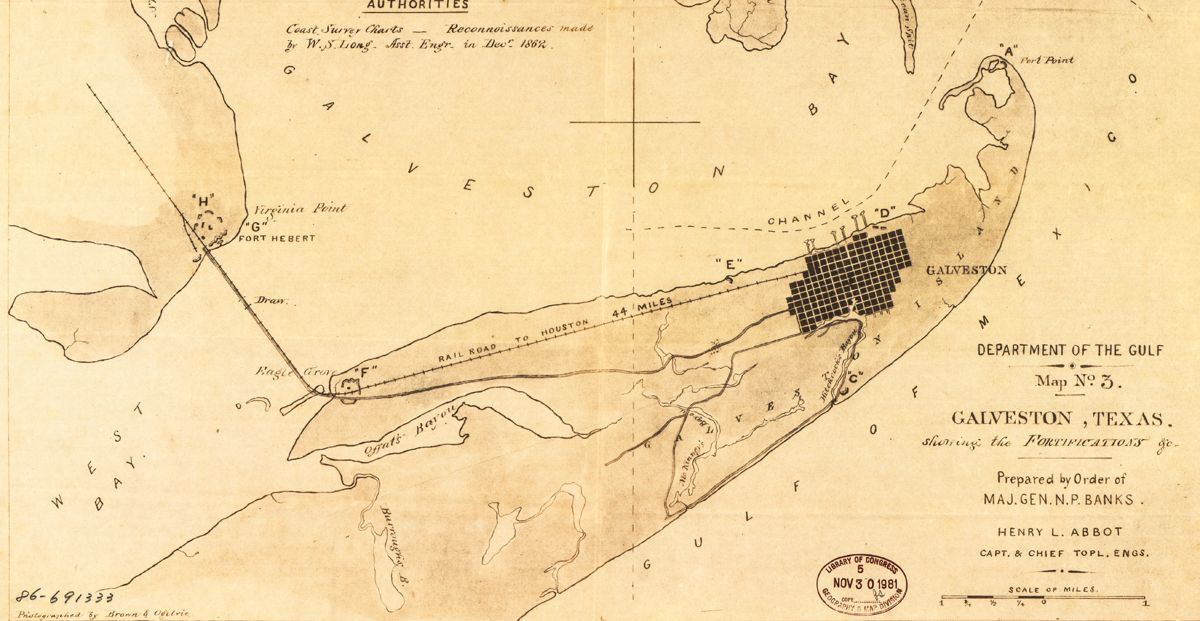
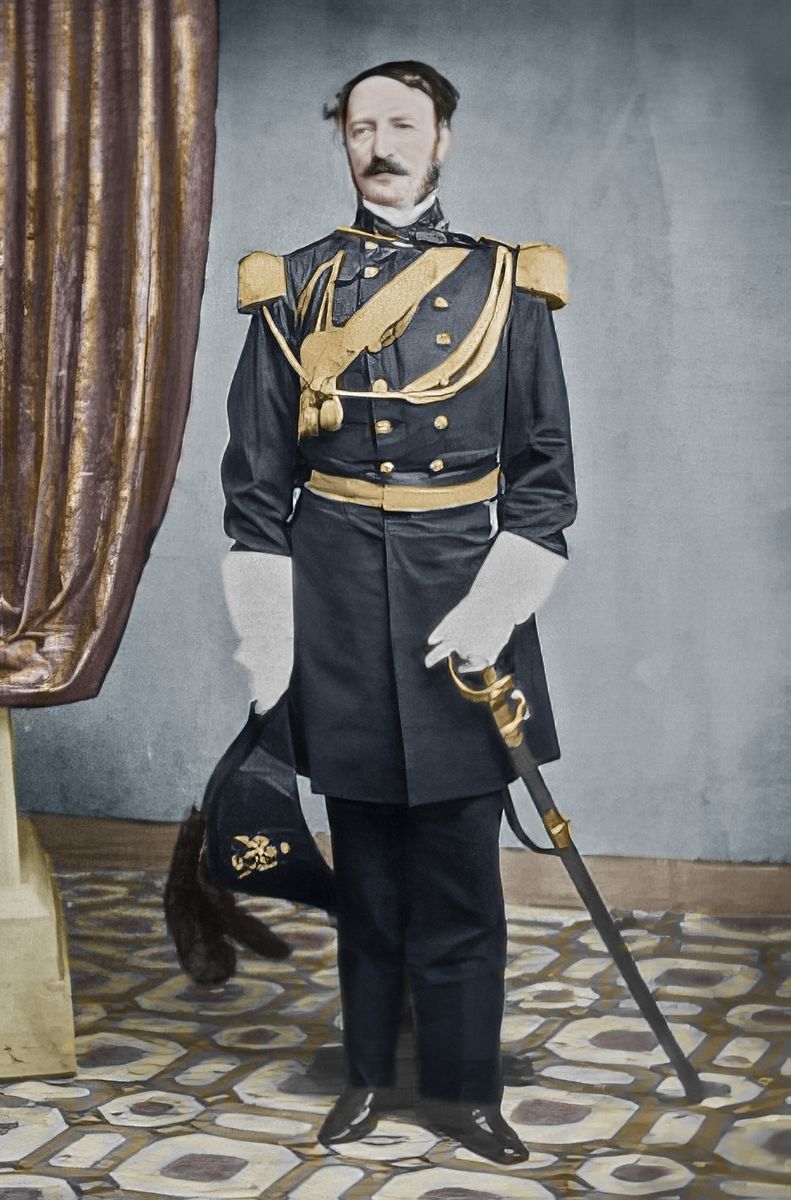
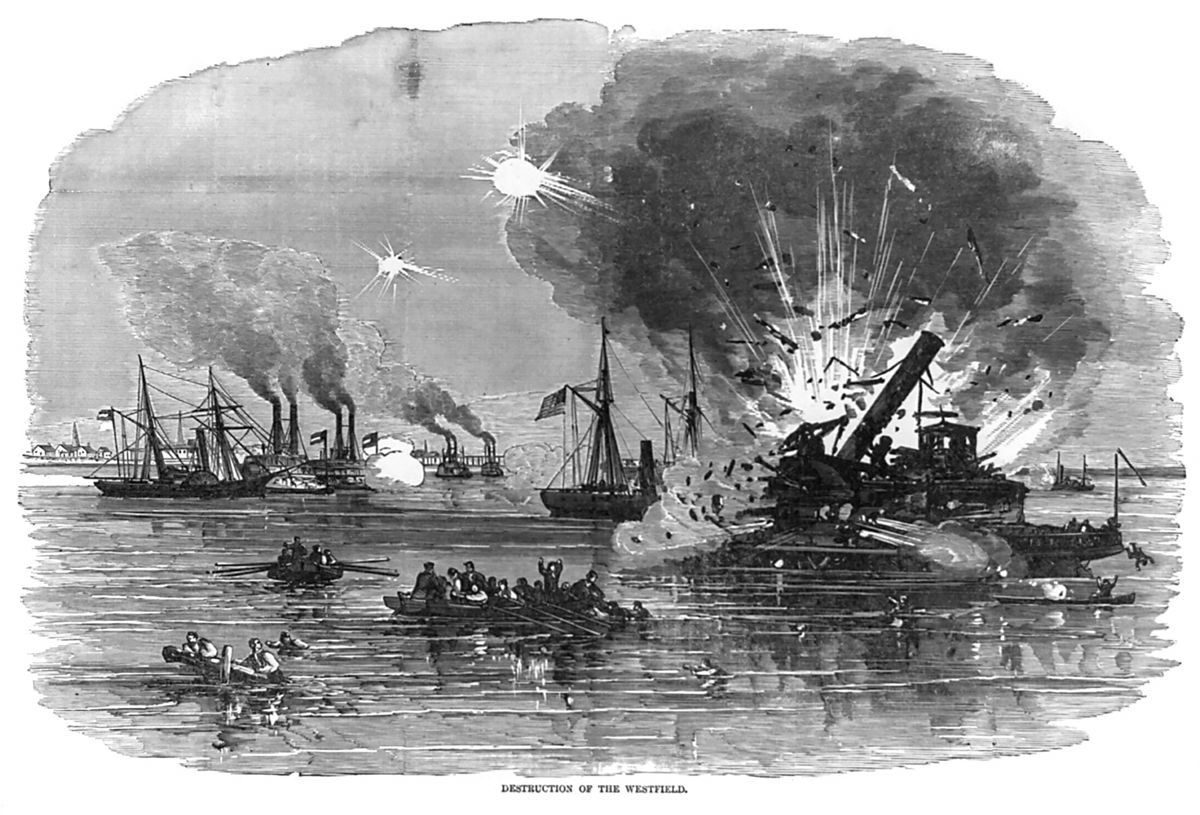
Confederate Gen. “Prince” John Bankhead Magruder name gracing a lake, a city, and a county. Lea interacted took command of the District of Texas, New Mexico, with four sitting U.S. presidents, corresponded with and Arizona on November 29, 1862. He soon decided Jefferson Davis and Robert E. Lee, and followed cousin-inhis priority would be recapturing Texas’s primary port on law Governor Sam Huston to settle in Texas in 1857. Both Galveston Island, Texas. The island had been surrendered Lea and Huston opposed secession but went with Texas into on October 4, 1862, without a fight. the Confederacy. U.S. CMDR William B. Renshaw may have captured the His son, 26-year-old U.S. Lt. CMDR Edward Lea, chose harbor, but the Federals were unable to destroy the two-mileto stay in the U.S. Navy. In March 1861, his father wrote long Galveston, Houston, and Henderson Railroad’s trestle to Edward to follow the dictates of his conscious. While bridge that connected docked in Cherbourg, the island with the France, Edward wrote mainland. The water his last letter to his surrounding the bridge father. In September “Well, here goes for a New Year’s present!” – C.S. was too shallow for a 1862, the sidewheeler Captain A.R. Weir, 1st Texas Heavy Artillery, gunboat to approach, USRC Harriet Lane firing Bayou City’s 32-pounder rifle, third round too far from the harbor armed with one IXfor the naval guns to and two VIII-inch target, and defended smoothbore shell by Confederate heavy guns, two 24-pounder artillery on the mainland at Virginia Point. bronze howitzers, and one 4-inch rifle arrived at Galveston On December 25, U.S. Col. Isaac S. Burrell’s, 42nd Mass. for blockade duty. Edward was onboard, serving as second Volunteer Infantry, Companies D, G, and I, and Vermont in command. Light Artillery, 2nd Battery, landed on the Island. The 260 Magruder spent the evening of December 31, positioning men swiftly turned the storehouse on the 400-foot long and approximately 5,000 to 6,000 men for his first prong land 20-foot wide Kuhn’s Wharf into their barracks. Breastworks attack. Fourteen field guns and a VIII-Dahlgren mounted on were built using planks and a found keg of large-size a flat car were moved across the trestle bridge. Men from spikes. Sentries were posted in the streets during the day Col. Henry Elmore’s 20th Texas Infantry took over from and reinforced posts for picket duty at night. The USS the recalcitrant mules to push and pull the guns through Owasco, armed with one XI-inch Dahlgren smoothbore, the sand. two 24-pounder howitzers, and one 20-pounder rifle, and The Federals could hear the rumbling of artillery wheels. the USS Clifton, armed with two IX-inch Dahlgrens and The men pulled back to the barracks, removing some four 32-pounders were anchored on either side of the wharf planks that connected the wharf to the island. However, for the potential swift removal of the troops. both gunboats were away from the Wharf. The Clifton had C.S. Maj. Albert Miller Lea arrived in Texas two weeks gone to aid Renshaw’s ship, the sidewheeler USS Westfield, after his friend and West Point classmate Magruder. His armed with one 100-pounder rifle, one IX-inch Dahlgren, earlier service as a topographical engineer resulted in his and four VIII-inch guns, was aground. The Owasco was coaling outside of the harbor. The Federal flank was unprotected. About 5 a.m. Magruder fired the signal gun shouting, “Now, boys, I have done my part as private, I will go and attend to that of general.” The Confederate infantry advanced towards Kuhn’s Wharf under cover of artillery fire. From the harbor, the USS Sachem, armed with one 20-pounder rifle and four 32-pounders, the Corypheus, armed with one gun, and the Lane opened fire on the Confederates. After an hour of exposure to deadly fire, Magruder ordered his land force to fall back. The sudden silence was “ominous.” As the anxious Yankees waited, the sound of splashing could be heard. C.S. Col. Joseph Jarvis Cook was leading a wading charge of 500 men. The 50 scaling ladders they hastily constructed were too short to reach the top of the wharf. The waders became targets of the infantry, Sachem and Corypheus. The Owasco and Clifton joined the gunboats in clearing out the Confederate positions. With the sun rising, a Federal victory was near. Out of the morning gloom, appeared the second prong of Magruder’s attack, cottonclads CSS Bayou City, armed with a 32-pounder smoothbore and fitted with a ram, and the CSS Neptune armed with two 24-pounder howitzers. Maj. Gen. John B. Magruder, C.S.A. Colorization © 2024 civilwarincolor.com, courtesy civilwarincolor.com/cwn. (Public Domain)