
Robbed of Reason:
By Ernest A. Dollar Jr. · Originally published November-December 2024 · pp. 56–63
Post-Traumatic Stress Disorder in the Civil War By Ernest A. Dollar Jr.
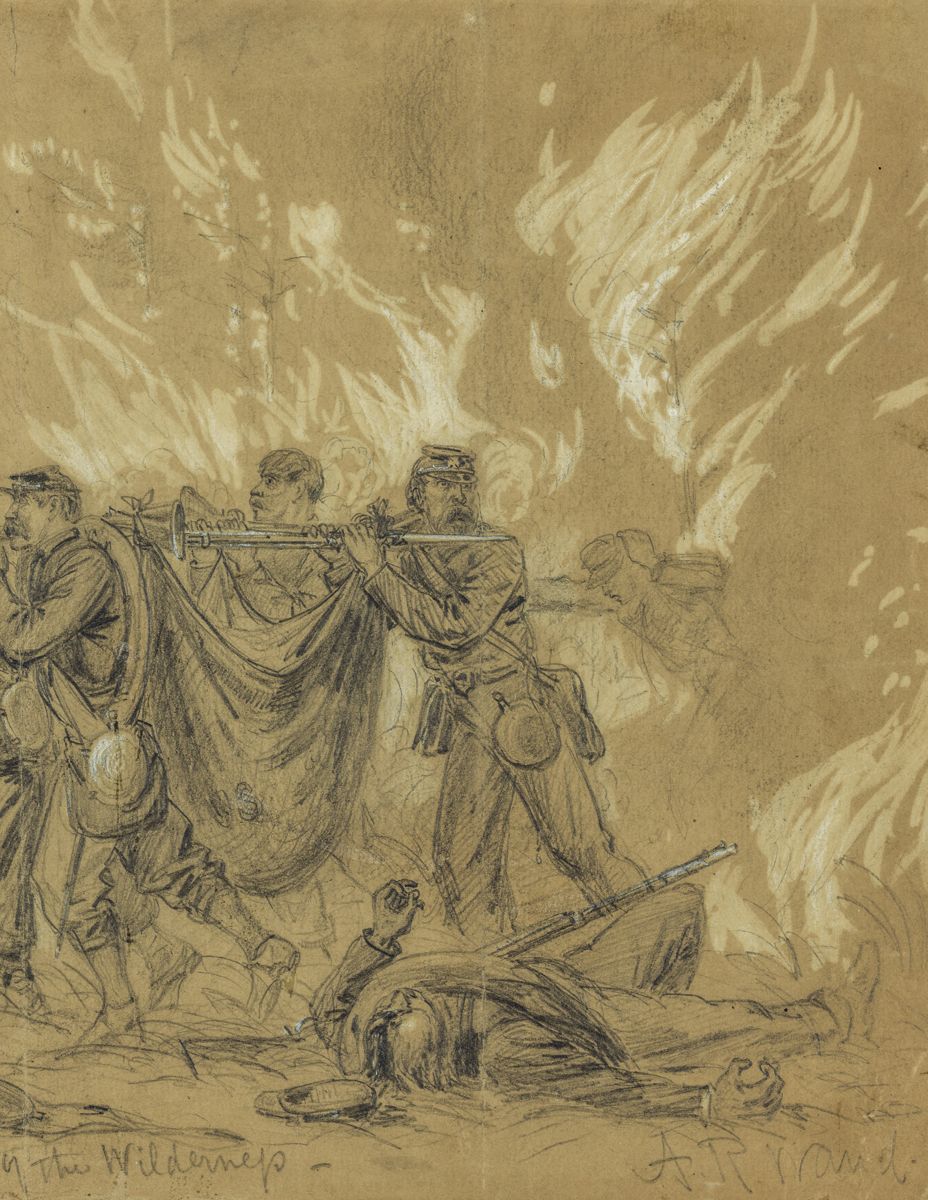
I “Wounded escaping from the burning woods of the Wilderness” by Alfred Waud. (Library of Congress)
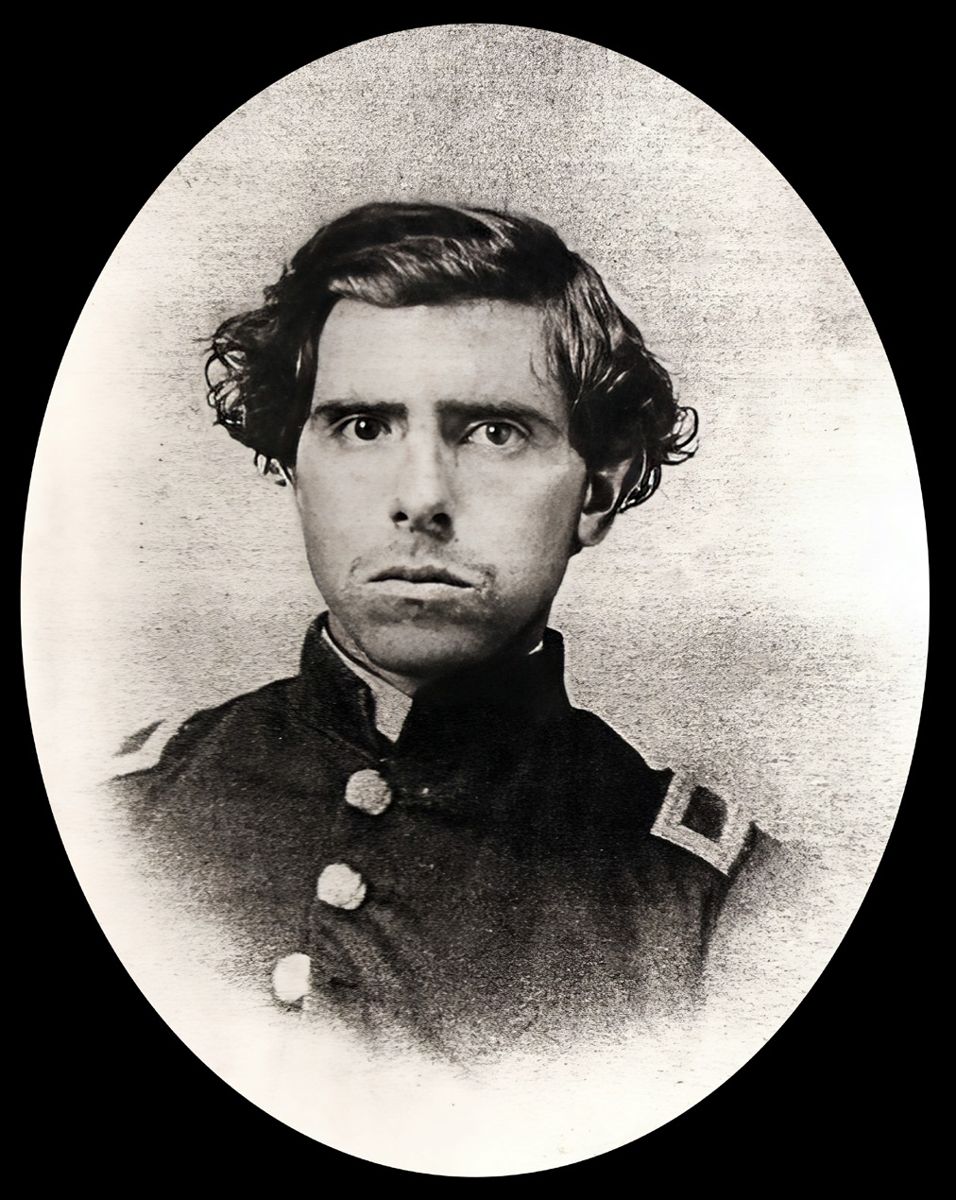
t was painfully clear in the fall of 1865 that Daniel M. Stearns had been deeply changed by war. His friends and family watched as the veteran struggled to function as a civilian and concentrate on his various jobs. They described him as irritable, nervous, lethargic, and obsessed with his army service. The former lieutenant complained about feeling as if the earth was undulating under him as he walked and equated the pressure in his head to an iron band squeezing his brain. Neighbors noticed Stearns shunned the company of friends and former veterans, preferring to be alone with his dog Harvey, which had been the mascot of his regiment, 104th Ohio Infantry. In a moment of clarity, Steans confessed that, “Those damn cannonballs did this to me.” By 1888, his erratic behavior forced his family to admit him to the North Cleveland Asylum in Ohio, where he would spend his remaining years with other veterans’ suffering from their wartime experiences, that doctors were desperately trying to understand. Stearns was one of thousands of Civil War veterans who suffered debilitating psychological damage from their
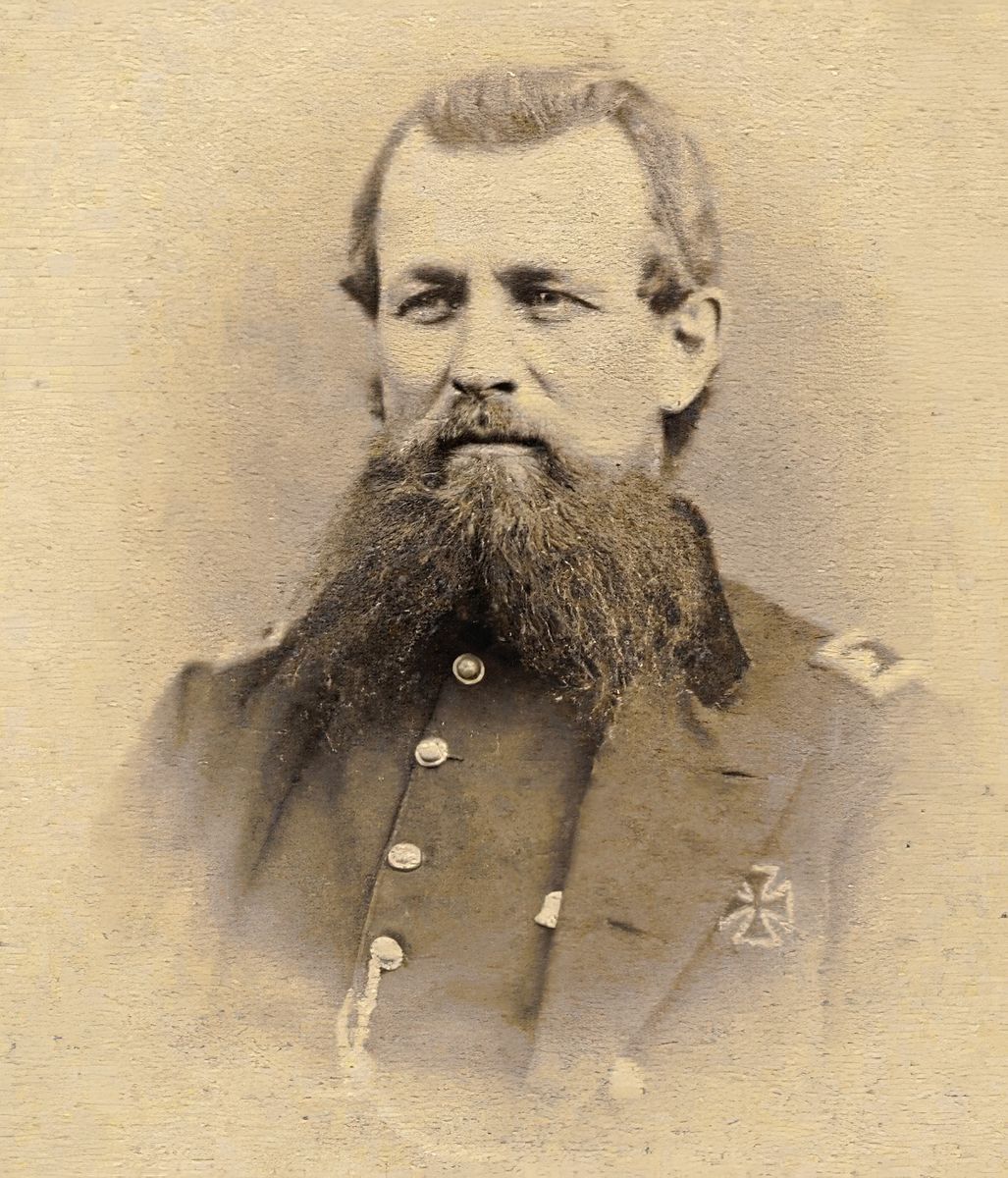
Lt. Daniel Merrill Stearns. (Courtesy Sue Scullion)
service. Across the United States, troubled veterans were recognized for their erratic and violent behavior, substance abuse, and suicidal tendencies. Newspapers bore witness to the wave of institutionalized veterans and the struggle to find them solace. Identifying former soldiers who suffered from mental wounds from their service in Union and Confederate armies is a relatively recent, and difficult to quantify, process, but evidence of wartime trauma does exist in the historic record. Recent scientific advances have deepened our understanding of the mechanics of the human brain and body. This knowledge provides a new analysis of the veterans’ lives providing historians with a clearer understanding of men who suffered long after the guns fell silent. Examining Lt. Stearns’ war record suggests the root of his problems. The 25-year-old enlisted in the 8th Regiment, Pennsylvania Reserve Infantry in 1861 and quit after seeing little service. He reenlisted a year later in the 104th Ohio Infantry and experienced his first major combat in Maj. Gen. William T. Sherman’s 1864 Atlanta Campaign. Stearns and his new regiment found themselves in the brutal fighting outside Atlanta. After two days straight in the saddle leading his men, Stearns fell victim to a fever doctors diagnosed as sunstroke. After a day of rest, he was thrown back into the fighting at the Battle of Utoy Creek on August 6, 1864, where the regiment lost 26 men. Three months later, Stearns and his Ohioians found themselves again in the thick of a battle, receiving the full fury of Maj. Gen. Patrick Cleburne’s attack at the Battle of Franklin where the regiment lost another 60 killed and wounded.
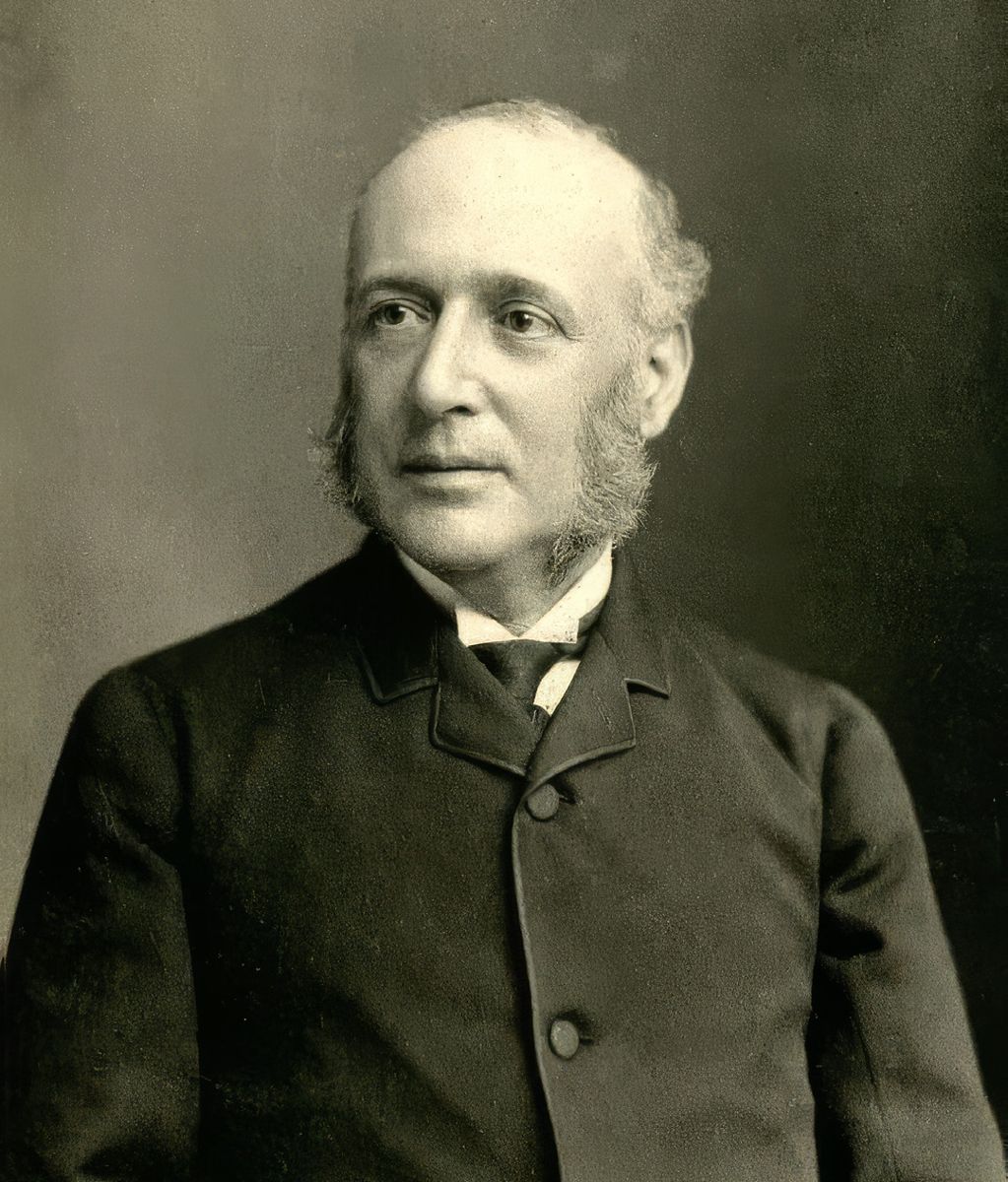
Dr. Jacob Da Costa, ca. 1880. (Courtesy of the Center for the History of Medicine.)
Stearns’ battlefield experiences took their toll on his mind. Military doctors saw signs of stress but misdiagnosed his problem as “sunstroke,” a diagnosis commonly used by Civil War doctors who struggled to find a cause for the strange behavior they didn’t understand. Other terms for unknown behaviors such as nostalgia, neuralgia, melancholy, and homesickness. Doctors witnessed the psychological problems in the men they saw but lacked understanding to treat them and the language to articulate their conditions. There were physicians who worked to identify the causes of the troubled men who wandered into their hospitals and gave their condition a name. Doctors Jacob Da Costa and Isaac Stearns (no relation to Daniel M.) cared for thousands of men including those with physical conditions they could not explain. Da Costa examined soldiers who exhibited abnormal cardiovascular issues in his Philadelphia hospital. Their hearts raced while at rest and they seemed unable to concentrate. He speculated that this condition might be related to diet, field equipment, or, perhaps, their wartime experience. As early as 1862, Da Costa
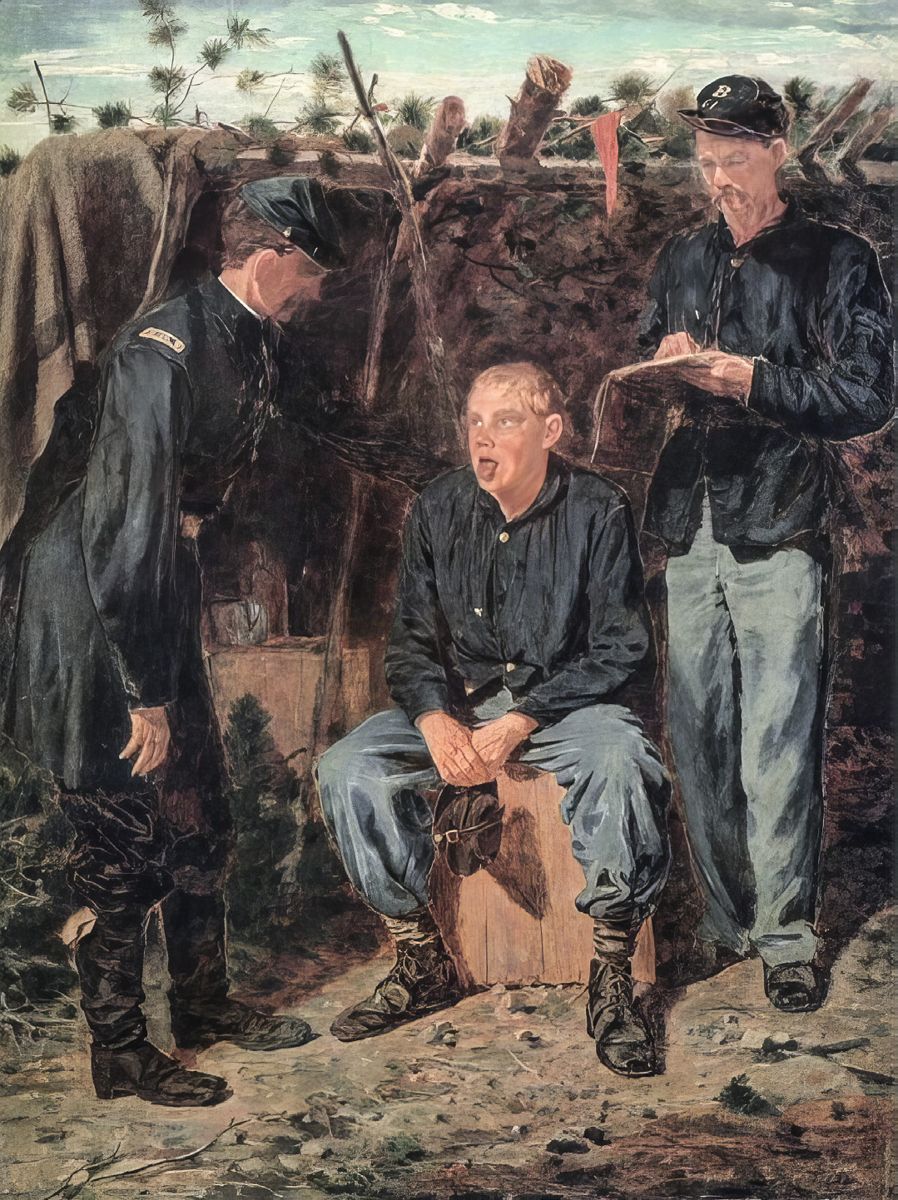
Winslow Homer’s painting, “Playing Old Soldier,” captures one man’s attempt to avoid work by feigning illness. Many army surgeons mistakenly believed men invented their ailments when in reality their symptoms were the physical manifestation of undiagnosed combat stress. (Wikipedia Commons)
first took note of soldiers with these conditions who experienced fighting during the Peninsula Campaign. Over the next two years, the same symptoms continued to appear in his patients, leading Da Costa to share his findings with the medical profession. He penned an article in 1864 in which he described soldiers who showed signs of erratic heartbeats and other conditions such as headaches, tunnel vision, nightmares, insomnia, or fatigue. Well after the war in 1871, Da Costa formalized his wartime research profile of the 300 soldiers in another article, “On irritable heart: A clinical study of a form of functional cardiac disorder and its consequences.” Dr. Isaac Stearns, 22nd Massachusetts Infantry surgeon, saw patients with the same issues Da Costa wrote about and also struggled to find a cause. Both men looked to theories promoted by British doctors who had examined veterans from the 1853–1856 Crimean War. Stearns was drawn to the work of Dr. Dennis de Berdt Hovell who had studied the impact of events on the nervous system and the various physical results produced. Particularly interesting was Hovell’s term “moral shock” which associated these physical conditions with horrible events that eroded morals.
Dr. Isaac Holden Stearns. (The Medford Historical Society Civil War Photograph Collection)
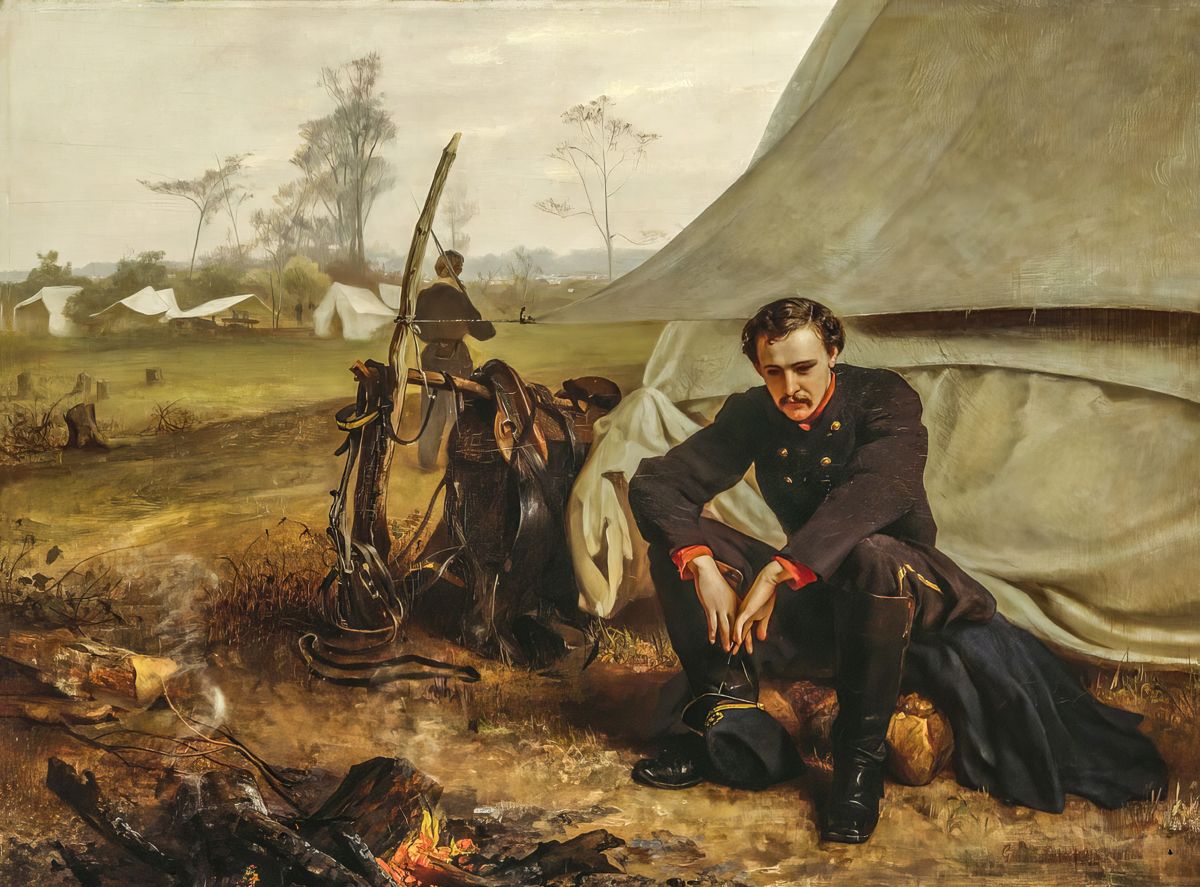
Artist George Lambdin painted “At the Front” featuring his younger brother, Capt. James Harrison Lambdin of the 121st Pennsylvania, in a pensive moment in camp. Captain Lambdin escaped wounding but the stress of war on his body caused a rapid deterioration which led to his release from the army in 1864 and early death six years later. (Detroit Institute of Arts, Founders Society Purchase, Director’s Discretionary Fund, 59.314.)
In 1888, Stearns published his thoughts on troubled Union veterans in an article titled, “A New Name for An Old Veteran’s Disease” in which he coined the term “chronic post bellum neurokinesis” for the breakdown of soldiers’ nervous systems. Another doctor, Horace Porter, chief medical officer for the Grand Army of the Republic, endorsed the work of DaCosta. He saw the same conditions in the Union veterans he examined and believed their issues stemmed from the “neuroknesis of battle” specifically the “hundreds of hours of the brain tension of expected danger.” Their understanding of the root causes of the veterans’ psychological problems were not perfect, but their work is the closest post-Civil War doctors would come to diagnosing what we call today Post-Traumatic Stress Disorder, (PTSD) a term first used in 1980 to explain the trauma of Vietnam veterans. The evolution of defining PTSD symptoms has been a gradual process, starting with Da Costa’s and Stearn’s research on the Civil War generation. With each successive conflict, military doctors refined their understanding of the psychological toll war takes on soldiers. From “Shell Shock” in World War I to combat fatigue in World War II and the Korea War, our present diagnosis of PTSD is built on research that began with Civil War veterans. Throughout all the changing terminology, the underlying cause of trauma was fear. When the human brain perceives danger, it reacts by releasing powerful chemicals that prepare the body to confront or flee from the threat. It shifts its energy from the frontal lobe, where functions like reason and judgement originate, to the “primal brain” controlling systems like the cardiovascular, digestive, and respiratory. This supercharging of the body to deal with fear causes the heart to race, muscles to tense, vision to focus, and rapid breathing. Usually, the brain resets itself after the fear has passed but long-term exposures to fear, such as repeated days in combat, results in the brain becoming stuck in its fight or flight mode, keeping the body on high alert, and causing brain damage. Symptoms of this trauma include flashbacks where individuals relive the moment of fear, hypervigilance in the sufferer who is constantly looking for a threat, the inability to concentrate, and anger. These are a result of the body’s reaction to being stuck in a constant state of alertness. Evidence of PTSD appeared in many different forms among Civil War veterans. For example, John A. Cundiff was caught up in the ferocious guerilla fighting that accompanied Sherman’s march through South Carolina. Reciprocal executions of captured Confederates followed the indiscriminate murder of Union foragers by Rebel cavalry. Cundiff was selected from a group of men in the 99th Indiana Infantry that served on a firing squad to execute one prisoner in February 1865. The experience traumatized Cundiff and his pension application in 1893 revealed he was unable to sleep, believing Confederate spies and the murdered soldier’s family were coming to get him. His family remembered the old soldier wouldn’t sleep in his house
for days at a time and took his musket and blanket into the woods to sleep. When he did sleep indoors, Cundiff admitted to hiding an axe under his bed to defend himself against his imagined stalkers. His obituary in 1912 reveals Cundiff’s trauma, noting he “received two wounds which permanently injured his body and mind.”
John A. Cundiff. Veteran of the 99th Ind. Inf. (Courtesy Deborah Branigan)
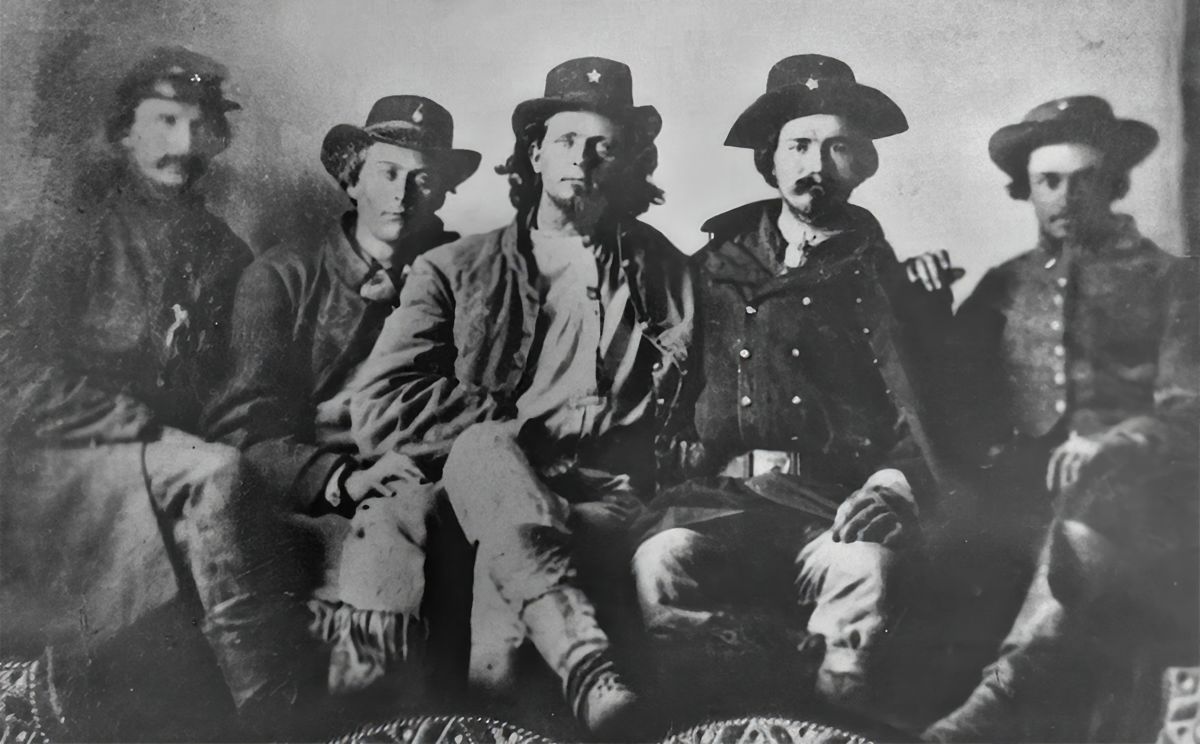
The science of this shift in brain function helps explain Hovell’s ideas of a moral change in soldiers. The refocusing of the brain’s energy away from the area where reason, decision making, and ideas of morality exist left soldiers fighting a war using their primal brain based on instincts. Examples of this behavior can be seen in some Confederate cavalrymen who served under Maj. Gen. Joseph Wheeler, arguably the most demoralized men in either army. By 1865, these men had spent almost ten months in the saddle opposing Sherman’s march through Georgia and the Carolinas. Traumatized by years of war and frustrated by their inability to stop the Federal advance, they took their anger out on friend and foe alike. Southern civilians were robbed indiscriminately, enslaved people executed, and captured Union prisoners were found murdered with plaques around their necks which read, “Death to Foragers.” One of the Confederates responsible for murdering Sherman’s foragers was John W. Rabb, a member of the infamous 8th Texas Cavalry. Rabb was known to have 60 notches in his pistol, one for every man he’d killed. In November 1863, he was shot twice and almost killed which friends noted “robbed him of his reason” and led Rabb to believe he was constantly being stalked.
After the war he fathered eight children but could had taken a mental toll on Gleason. Junior officers not settle down and drifted between pursuits such as remembered he would pull them aside and confess gold mining and farming. He struggled with memories his knowledge of an alleged plot to remove him from of the war until the 20th anniversary of the Army of command. As Sherman’s army marched closer to Tennessee’s final campaign, April 10, 1885, when Rabb Atlanta, Newell was seen sitting around camp laughing suffered a breakdown hysterically one moment while seeking medical and weeping violently the help and killed himself. next. With his entry into Looking back after the South Carolina in January war, a fellow cavalryman, 1865, Gleason raised up RABB was known to John Claiborne, noted how in the saddle and ordered war clouded their thoughts his men not to “leave a have 60 NOTCHES of right and wrong. He living thing alive” as they confessed that he and his marched through the state. in his PISTOL, one fellow veterans didn’t talk Gleason’s mental health in for every MAN he’d about their experiences post-war years continued for fear of arrest and to decline and led to his KILLED. execution noting, ‘We did death in 1886 when he some thing that were not committed suicide by credible to our hearts, but throwing himself down a seemed necessary.” set of stairs. The mental health of Another o ff i c e r, soldiers shaped the way they fought, and trauma also Confederate Colonel William Holland Thomas also affected how officers led. Leaders like Col. Newell struggled with war’s trauma. Thomas was notable Gleason saw his mental health degrade as the war for raising a regiment of Cherokee Indians in North progressed. The colonel and his 87th Indiana Infantry Carolina’s mountains to fight for the South. His won commendations for his desperate defense of regiment spent the first part of the war involved in Snodgrass Hill during the 1863 Battle of Chickamauga; violent neighbor-against-neighbor fighting before they but it became clear over the next year that this combat were shipped north to fight in the 1864 Shenandoah
Group of men from the 8th Texas Cavalry. (Panhandle Plains Historical Museum)
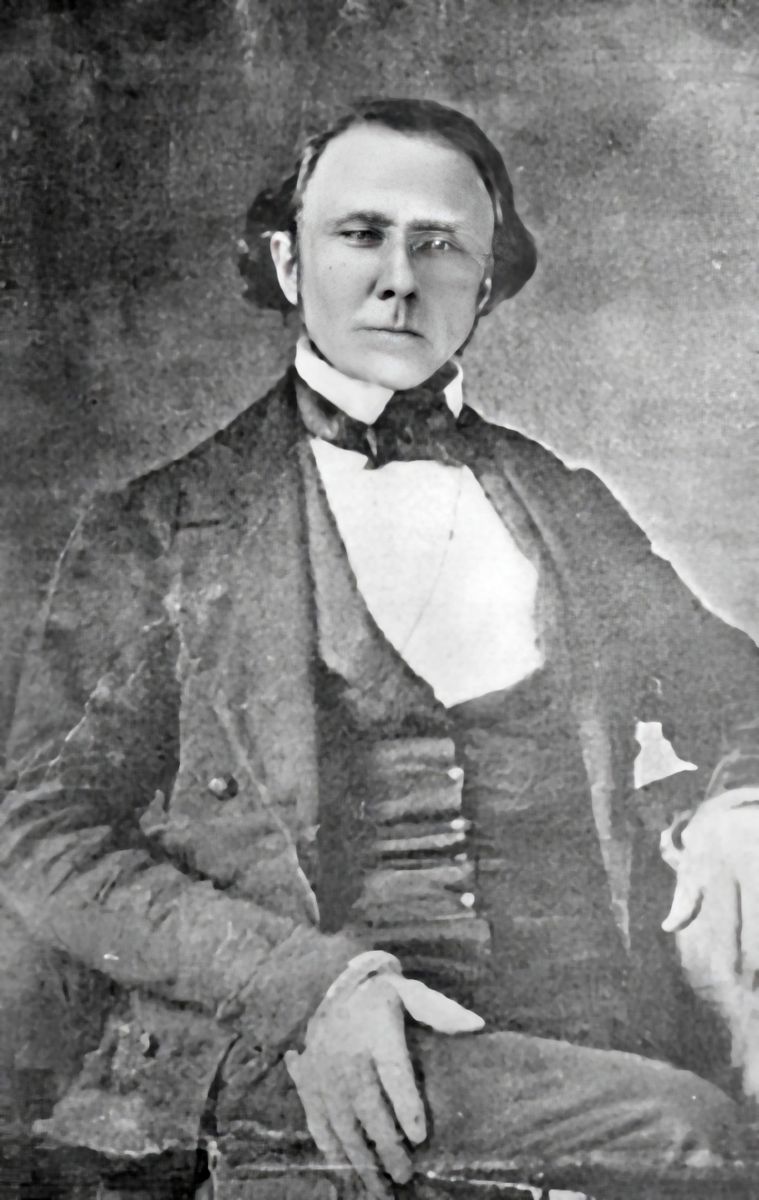
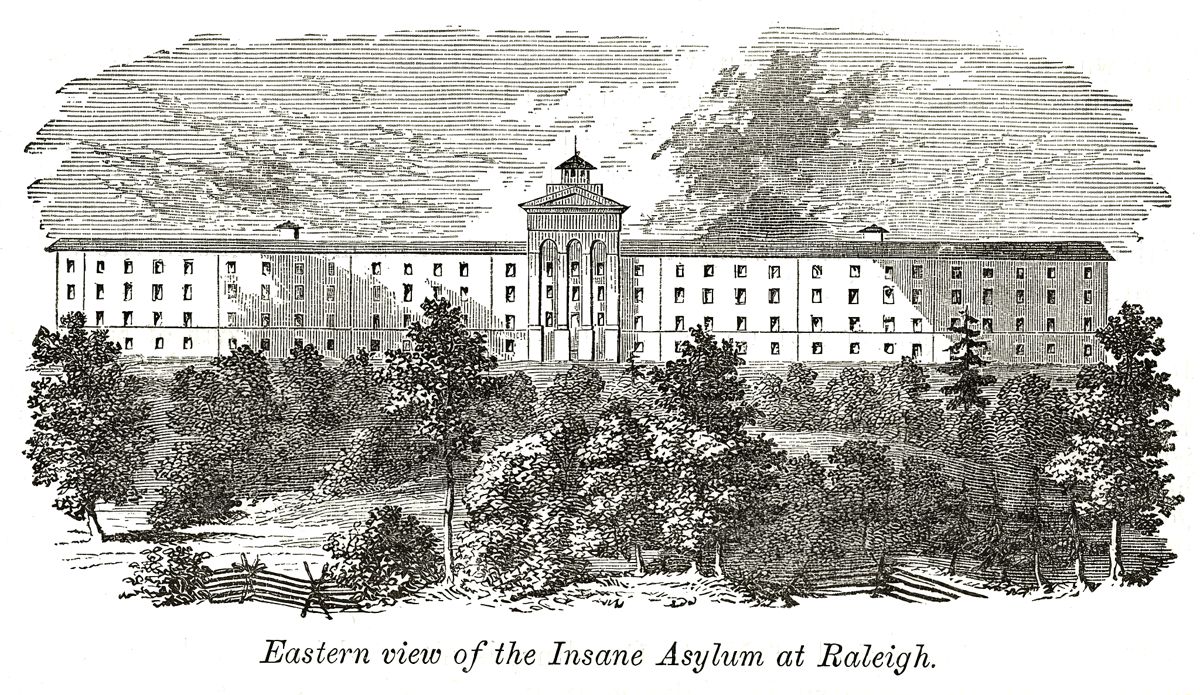
Valley Campaign. Immediately after the war, his family noticed a distinct change in Thomas. Problems came to a head in 1867 after he forced his wife to play their family piano while holding an axe over her head. Thomas was admitted to the North Carolina Insane Asylum in Raleigh where he drifted in and out of lucidity the rest of his life. In 1874, a visitor noted “the mildest description that can be given of the state of Col. Thomas’ mind was that he was a raving, furious maniac.” He was eventually transferred to the state’s second asylum in Morganton, built to handle an increasing number of psychological casualties, where he eventually died in 1893. Understanding the behavior of these Civil War veterans can be unlocked by modern science which provides powerful tools that confirm the link between trauma and symptoms. Modern brain mapping and neurofeedback equipment give doctors the ability to see the physical brain damage caused by trauma and correlate it with symptoms of veterans. Linking trauma’s changes in the brain to the symptoms, gives researchers a new approach to reexamine the historic record to uncover a generation deeply impacted by war. Trying to determine the exact numbers of veterans psychologically scared by the war is impossible. The spectrum of experiences includes those who were able to cope with the trauma they experienced and live fruitful lives while others were debilitated to the point of suicide. New research seeks to refine these numbers and provide insights into the role trauma played in the lives of Union veterans. The Early Indicators of Later Work Levels, Disease, and Death project launched by the National Bureau of Economic Research is a massive data analysis study that examines the lives of Union veterans to determine the impact of war service and its impact on their children. William Holland Thomas. (Public Domain) Researchers extracted data from almost 40,000 pension records of white Union army soldiers and 21,000 black soldiers to understand the war’s impact on survivors. The study looked at 1,325 unique variables in the lives of former soldiers such as wartime service, evidence of chronic disease, mortality, socioeconomic status, and overall health to discover trends and correlations between veterans. Also included in this massive data analysis are the lives of 54,000 children of veterans to discover how the war impacted them. This analysis is part of a burgeoning field of study called epigenetics, which explores how the changes trauma causes in the Illustration of the North Carolina Insane Asylum in Raleigh, N.C., as it body can be passed through appeared ca. 1860. heredity. The data analysis
has revealed intriguing results. One discovery revealed that children of Union Army soldiers who suffered starvation as prisoners of war tended to be more obese and have shorter lifespans after the age of 45. In 2006, researchers using this data drew the startling conclusion that suggested soldiers who served in units with high casualty rates or served while young showed increased signs of cardiac and gastrointestinal issues as well as
susceptibility to nervous diseases and other ailments. In all, researchers suggest 44% of Union veterans studied suffered some type of mental illness. These physical problems are linked to the dramatic changes caused when fear triggers the fight, flight, or freeze response in the brain. It left not only the minds of Union and Confederate soldiers troubled but stress also left their bodies “used up” and “played out.” British Revolutionary and Napoleonic War pensioners were described as “worn out in the service,” a similar phrase. Daniel Stearns understood his time at war caused his problems even if doctors did not. He looked around the Cleveland Asylum and saw fellow soldiers whose minds were deeply troubled by their experiences on almost every Civil War battlefield. For the next 50 years, governments, hospitals, jails, and families, both North and South, were overwhelmed by the needs of returning traumatized men whose minds and bodies were shattered by war. They struggled to understand their problems and provide the comfort they needed. It would take a century and a half before the impact of war on veterans became clear and how their experience resonated with generations afterward.
An Illustration of the National Home for Disabled Volunteer Soldiers, from the 1885 edition of the Wisconsin Blue Book. The National Home for Disabled Volunteer Soldiers was a network of residential communities that provided care for Union veterans after the American Civil War.
Ernest A. Dollar Jr., a native of Durham, North Carolina, has worked in historic sites in both North and South Carolina since 1993. He currently serves as the Director of Museums for the City of Raleigh. He is the author of the 2022 book Hearts Torn Asunder: Trauma in the Civil War’s Final Campaign in North Carolina.
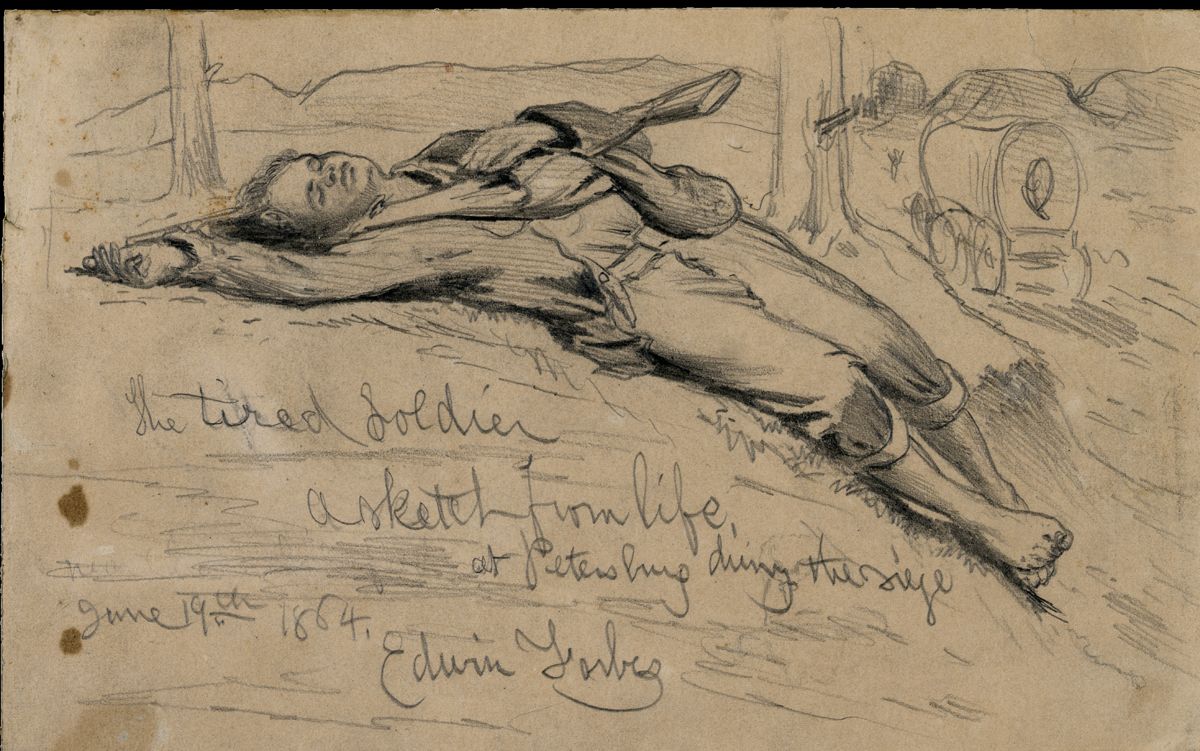
The tired soldier – a sketch from life at Petersburg during the siege June 19th 1864. By Edwin Forbes. (Library of Congress)
Photographs from the Original Article
Captions and credits appear in the article text as originally printed.