
Civil War Field Hospitals Saved the Lives of Countless Soldiers
Originally published July-August 2024 · pp. 70–74
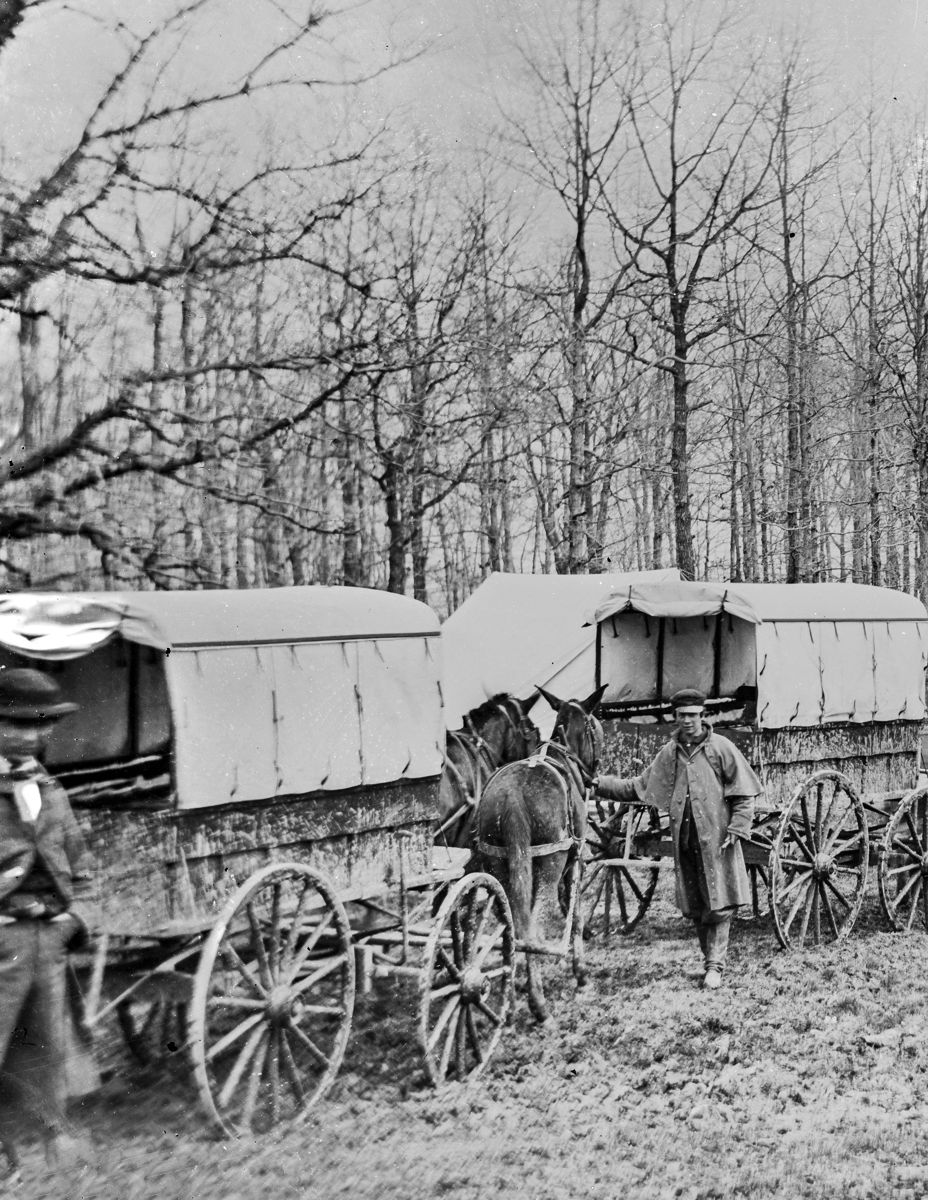
The Civil War was the deadliest conflict in American history in terms of lives lost. Conservative estimates of total Civil War deaths range from 650,000 to 750,000. Without the advent and innovation of brigade field hospitals on the battlefield, the death toll would have been even more staggering. During the Civil War, the removal of the wounded from the battlefield became a systematized, structured procedure for the first time on American soil. To cope with massive casualties, provisions were made in both the Confederate and Union armies to establish mobile field hospitals. Recently, Civil War Historical Impressions Inc., an organization that teaches American history through living history demonstrations, first-person impressions, and battlefield reenactments, offered event patrons at Jamestown Settlement’s 40th annual Military Through the Ages an authentic glimpse of the 2nd Corps Field Hospital attached to Thomas J. Jackson’s command. Medical organizations in both armies were able to respond surprisingly well to the massive demand for critical services required in field hospitals. Survival rates for wounds and diseases realized during the War of the Rebellion were phenomenal compared to prior wars. Confederate surgeon Hunter Holmes McGuire, medical director of the Army of the Shenandoah, was instrumental in establishing an efficient system to provide medical field services to the sick and wounded. Harry Sonntag, president and CEO of Civil War Historical Impressions, frequently portrays Brigade Surgeon Hunter Holmes McGuire during living history demonstrations at his recreated 2nd Corps Field Hospital. “Dr. Hunter McGuire was the brigade surgeon under Thomas J. ‘Stonewall’ Jackson. Although he was young in age, he was an accomplished physician,” explained Sonntag. “He had a very famous father. He attended medical Dr. Hunter McGuire school twice at Winchester was brigade surgeon Medical School and later and medical director for at Thomas Jefferson Stonewall Jackson’s 2nd University.” Corps Field Hospital. While Dr. McGuire was Harry Sonntag portrays a quite talented junior Dr. McGuire.
By Bob Ruegsegger surgeon, he was quickly elevated to brigade surgeon and then named medical director for Jackson’s 2nd Corps. When the Stonewall Brigade drove occupying Union troops out of Winchester, Virginia, Dr. McGuire saw an opportunity. In General Banks’ haste to evacuate Winchester, he reluctantly left a wealth of supplies— food, clothing, weapons, ammunition, and medical supplies for the Army of the Shenandoah. Seven Union surgeons decided to Franklin Van Valkenburg remain with their patients portrays an assistant and were captured by the surgeon with the CWHI’s 2nd Corps Field incoming Confederates. After consulting with Hospital. General Jackson and Dr. Daniel Conrad, Dr. McGuire decided to attempt to set a precedent as to how captured doctors and nurses should be treated. McGuire drew up a document he labeled the Winchester Accord that called for captured medical personnel to be released as noncombatants. The seven captured Union surgeons signed the document and were released by their Confederate captors and sent to Washington with the proposal. The Union authorities agreed, and both parties continued throughout
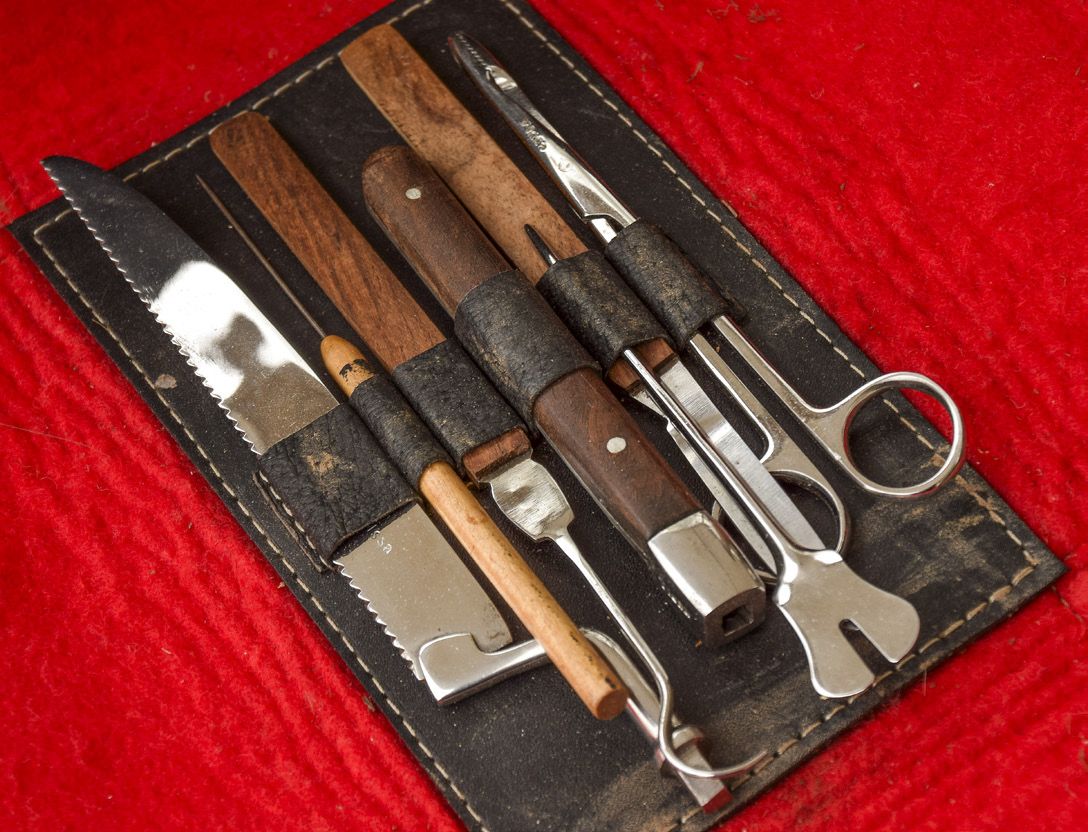
Surgical kit provides instruments for minor surgery.
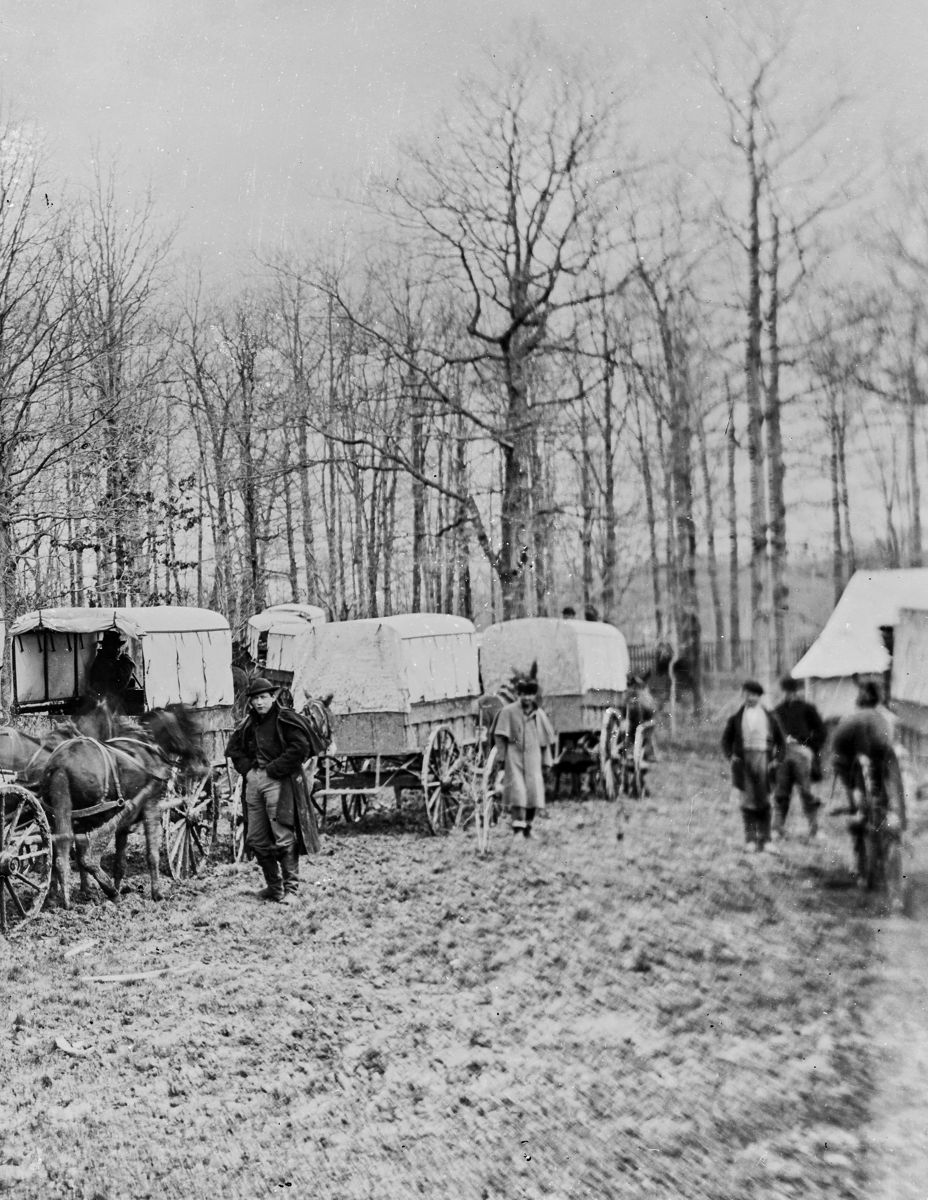
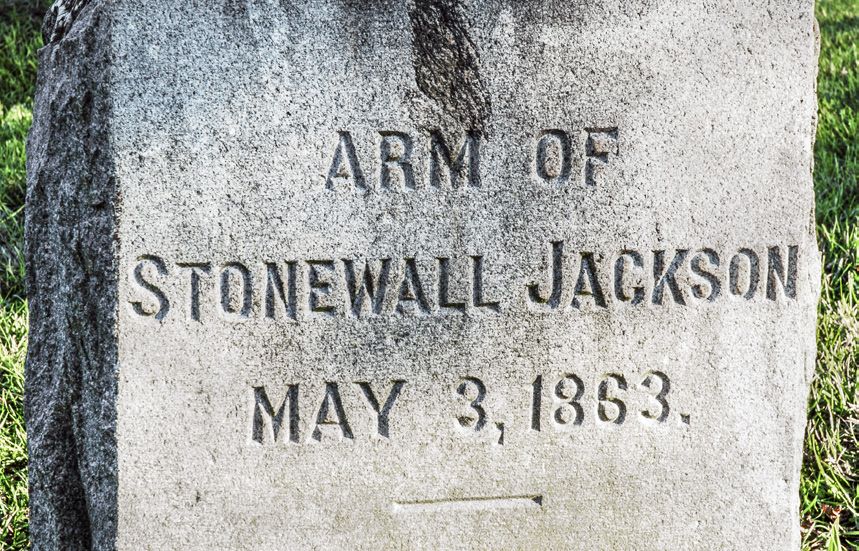
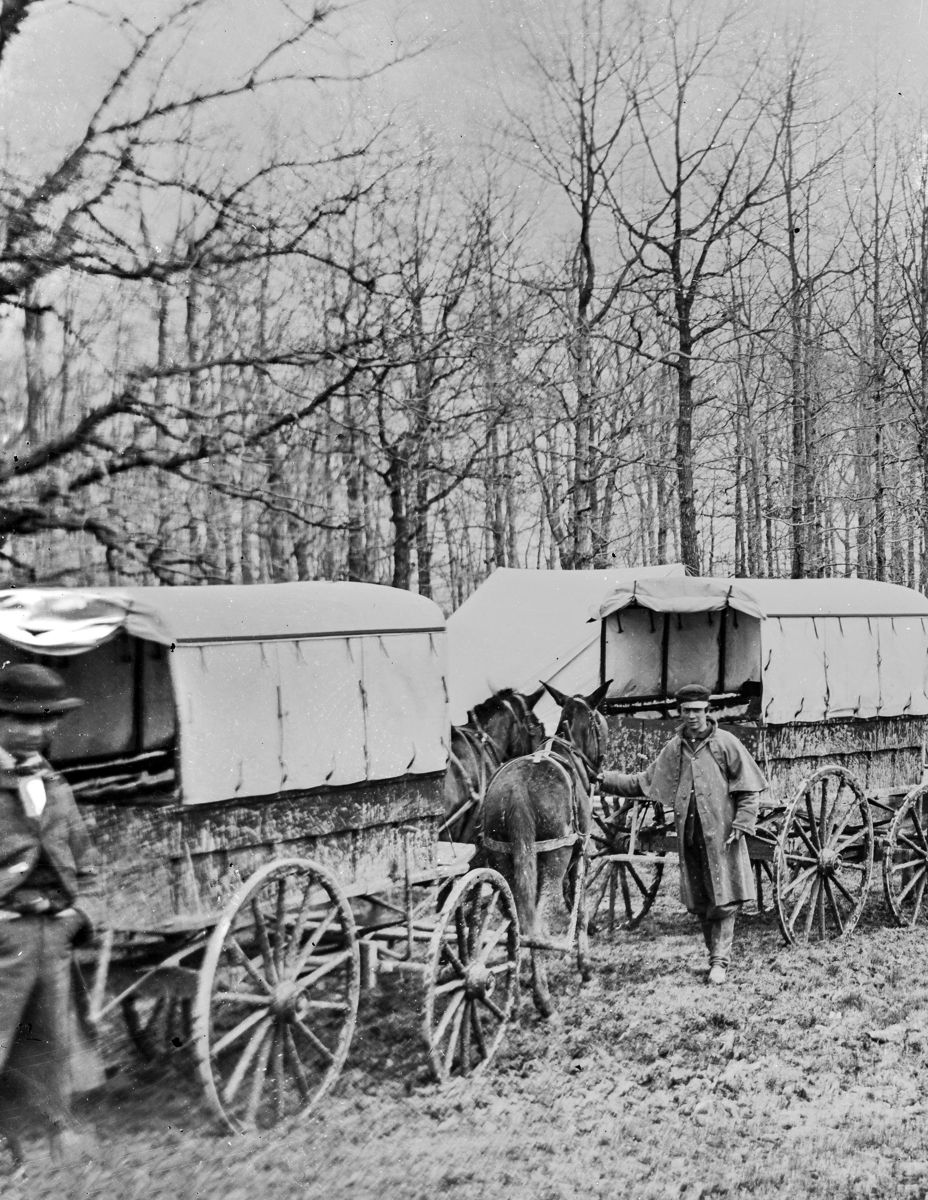
the war to release medical personnel as non-combatants. Dr. McGuire and General Jackson’s magnanimous humanitarian gesture was likely prompted, at least in part, by the influx of captured Union stores, especially sorely needed medical supplies. While the Union surgeons were released, Union medical supplies remained in Confederate possession in Winchester. “McGuire was Robert E. Lee’s acting medical director of the Army of Northern Virginia when Dr. Lafayette Guild, Lee’s personal physician, was incapacitated with malaria,” said Sonntag. “He was a physician who in name had one job, but in reality held many positions within the army.” Franklin Van Valkenburg serves as field operations director and marketing manager for Civil War Historical Impressions. During the MTA weekend program, Van Valkenburg depicted an assistant surgeon with the 2nd Corps Field Hospital. “Today, we’re out here to represent the medical scene that is often seen at the rear, two hundred yards back, from the firing line at any given point during the fighting in the American Civil War,” said Van Valkenburg. “Our mission starts off with getting the [wounded] men off the field. We don’t want to leave them out there. There were no corpsmen or nurses back then as there are today.” During the Civil War, men from each company in the regiment were assigned to a temporary detail in the Ambulance Corps. Men assigned to the ambulance detail turned in their weapons and accoutrements, put on a distinctive hatband or armband to identify themselves, and grabbed a haversack stuffed with packing material, tourniquets, and medical supplies for immediate field dressing. Teams of soldiers drew litters (stretchers) to carry their wounded comrades off to the relative safety of an aid station or field hospital in the rear of the firing line to determine what medical attention was needed and who received care first—a sort of triage. The wounding of Stonewall Jackson during the fight at Chancellorsville and the follow-up medical services Jackson received illustrated how military medical treatment was typically rendered on the battlefield. Jackson was wounded on a plank road and fell from his horse. He was immediately placed on a litter, and efforts were made to remove him from the firing This exhibit illustrates the line. One of the surgical procedure for a leg litter bearers was wound amputation. Note shot, and Jackson the applied tourniquet and fell from the litter. shattered bone.
Jackson’s suffering was intense. He was finally placed in an ambulance and transported to the 2nd Corps Field Hospital near Wilderness Tavern.
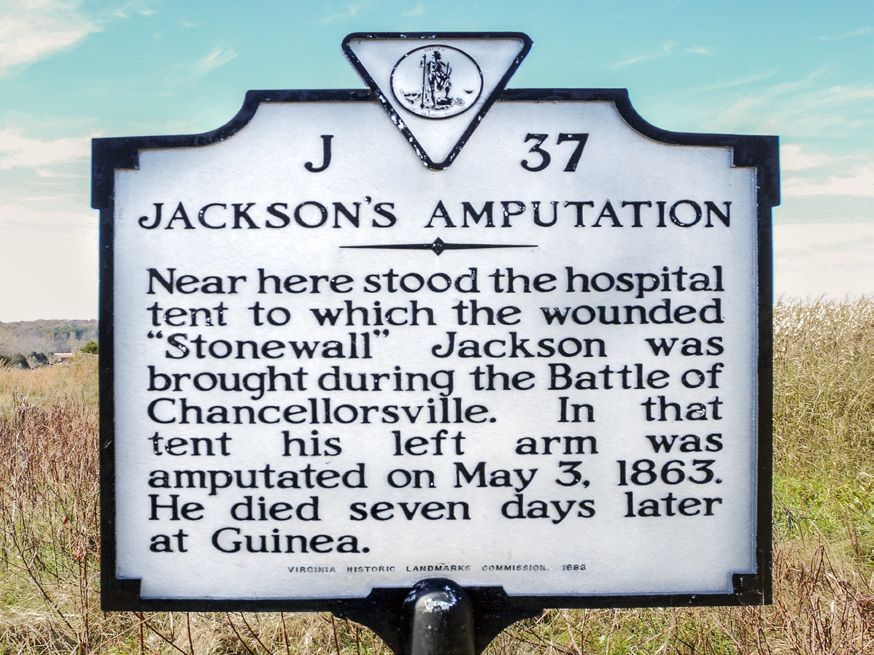
Virginia Highway Marker marks site of 2nd Corps Field Hospital where Dr. McGuire amputated General Stonewall Jackson’s arm. (All color photos by Bob Ruegsegger)
Chloroform was administered. Jackson’s left arm was amputated about two inches below the shoulder. Throughout the entire operation and until all the necessary dressings were applied, Jackson remained “insensitive,” according to Surgeon McGuire. Jackson was transported by ambulance on a rough 27-mile ride to Guinea Station, a receiving site on the Richmond, Fredericksburg, and Potomac Railroad. While waiting for the railroad to be reopened to Richmond, unfortunately, Jackson developed pneumonia and died. Red armbands marked “Ambulance Corps” identified the detailed medical personnel as non-combatants. Initially, members wore red printed cards in their hatbands to distinguish themselves as part of the medical services corps. “Non-combatant status was kind of like a gentlemen’s agreement that soldiers were not going to be picking off ambulance details in each other’s army,” said Van Valkenburg. “That’s part of why they were turning in their weapons and not packing pistols and knives. They’re just getting on the fields and pulling their boys off the line and getting to them to the rear as quickly as possible.” Running onto the battlefield under fire with no weapon took a tremendous measure of courage and a lot of nerve. Knowing that the wounded men on the battlefield were friends, neighbors, and family members who needed to be removed quickly from the field of battle for safety and treatment motivated members of the medical corps to assume the risk—albeit reluctantly. “I’m one of the assistant surgeons that’s detailed to the rear. As these enlisted men are coming back here, there are going to be a number of medical officers on the scene,” said Van Valkenburg. “I put this armband on myself to make myself easily identifiable—get to me first,” he said. “I’m going to start sorting guys out and tell them which way to go; through to a surgeon for immediate surgery or to an assistant surgeon to be further sorted and detailed for care.” Van Valkenburg regards CWHI’s interpretation of a military field hospital as unique in the sense that the living historians with the 2nd Corps Field Hospital are engaged in saving the lives of soldiers rather than taking them. “Often people seem to look at the American Civil War as an era of butchery, biting down on a piece of leather while a surgeon hacks away a limb,” said Van Valkenburg. “In fact, we have ether and modern medical implements. Surgeries are very quick. All amputations are very extreme surgeries. It was the most effective in saving lives,” he noted. “It’s important to understand that during this war, there was a huge technological, scientific shift occurring to the benefit of humanity under the most grisly and sad of circumstances.” Jason Anderson of Winchester, Va., has a fascination with Civil War era history—especially with the interpretation of the development of the military medical corps of the period. He’s been actively engaged with the 2nd Corps Field Hospital unit for nearly two years. “This war starts what can be called the “medical revolution” that gained momentum during the last quarter of the 19th century—the 1870s and 1880s—when Louis Pasteur gained renown by making his germ theory public.” Anderson is also impressed with the courage of the unarmed members of the Ambulance Corps who ran out on the battlefield and risked their own lives for the sole purpose of trying to save as many lives as possible. “Seeing these medical scenarios restores some level of hope in humanity’s future. Understanding that even though we’re sworn enemies, we can still care for one another— even though one wears blue and another wears gray.” Some of the young boys who became veteran soldiers had never seen death before—with the exception of close relatives, Anderson observed. They had never seen anyone shot with a 12-pounder cannonball or a .69-caliber musket ball. “The grim reality of war evoked in many soldiers a conscious effort to relieve suffering and save lives,” said Anderson. “Ambulance duty and field hospitals offered rank-and-file soldiers a chance to become heroes in the eyes of their comrades in arms.” Over the years, CWHI’s 2nd Corps Field Hospital interpretation has impressed visitors at Military Through the Ages—and other historic sites—with their attention to authenticity and intricate detail in camp. “Authenticity is a big part of what they do. They try to portray things accurately without going over the top. Caring for the sick and wounded are all key elements of the historical military experience,” said Homer Lanier, director of visitor experience with the JamestownYorktown Foundation. In the 2nd Corps Field Hospital tribute, Civil War Historical Impressions dramatically highlights the unsung Civil War heroes—the rank-and-file soldiers—who risked their lives on the battlefield and selflessly cared for the wounded, sick, and injured in field hospitals when the thunder of battle ceased and the black powder cleared. Bob Ruegsegger’s assignments frequently take him to historic throughout V irginia , M id -A tlantic , and the Southeast. His favorite haunts include sites within Virginia’s Historic Triangle—Jamestown, Yorktown, and Williamsburg. Bob served briefly in the U.S. Navy. He is a retired educator sites the and has been an active newspaper journalist for over 25 years.
Gettysburg National Military Park Museum & Visitor Center
Begin at the Museum & Visitor Center to immerse yourself in all Gettysburg has to offer. Step into history through our exclusive experiences, tours, events and historic sites.
JULY 1-3 & 6-7
Film | Cyclorama | Museum | Special Exhibit | Licensed Battlefield Guide Tours | NPS Ranger Programs | Gettysburg National Military Park | Eisenhower National Historic Site | David Wills House | Gettysburg National Cemetery | Special Events | Historic Sites & Experiences Obtain park information and enjoy on-site shopping and dining at the Museum & Visitor Center.
AN EVENING WITH THE PAINTING Enjoy an after-hours, close-up look at the iconic Gettysburg Cyclorama. Journey under the diorama to see how the 360-degree illusion comes to life. View the schedule for this popular program online and purchase your tickets in advance.
Proceeds from tickets and other purchases in the Museum & Visitor Center benefit Gettysburg National Military Park and Eisenhower National Historic Site.
Journey to these nearby Historic Sites & Experiences
George Spangler Farm & Field Hospital – Experience history come alive at the best-preserved field hospital from the American Civil War. Open Summer Weekends: Friday – Sunday, June 7 – Aug. 11.
Children of Gettysburg 1863® – Discover stories of Gettysburg through interactive exhibits and firsthand accounts of children who lived here during the 1863 battle.
Ticket to the Past—Unforgettable Journeys – Visit the Gettysburg Lincoln Railroad Station™, travel back to 1863 and meet historic figures through virtual reality technology.
For tickets, current hours and Friends of Gettysburg memberships, call 877-874-2478 or visit GettysburgFoundation.org.
in the Civil War genre
$575,000
$381,000
Auction World Record for a Civl War Martial Small Arm
2nd Most Expensive Cofer Revolver to Sell at Auction
1st and 2nd Most Expensive
Cofer Revolvers to Sell at Auction!
$230,000
2nd Highest Auction World Record
Confederate Flag
Auction World Record:
Confederate Uniform
$92,000
or % Better!
$63,250 Auction World Record:
Confederate Kepi
For more info, email us at
The Tradition Continues…
$64,400

Auction World Record:
C.H. Rigdon Revolver
We are pleased to announce the renewed partnership with the world-famous auctioneer…
James D. Julia!
His expertise and experience in marketing and achieving the best results for high end quality firearms & collectibles will help continue to grow our firm into the leading specialty firearms auctioneer in the world. Contact Jim for a free consignment consultation at
Nick Poulin and James Julia at the Poulin Auction Podium