
The Unfinished Fight
The Relation of Alimentation and Diseases by Dr. J.H. Salisbury
By Craig L. Barry · Originally published May 2023 · pp. 10–11

The Relation of Alimentation and Diseases by Dr. J.H. Salisbury During the Civil War, dysentery and chronic diarrhea were rampant among soldiers on both sides. We only state the facts when we acknowledge that many more soldiers died of disease than died from battlefield injuries. During the War, Dr. James Henry Salisbury was a physician for the Union Army. Dr. Salisbury believed that the basic Army rations were largely to blame for much loss of life due to disease. He felt that diet was the way to a healthy life, and he became convinced that a restricted diet limited to certain foods could actually cure illnesses, especially intestinal ailments. He tested his theories during the Civil War, treating chronic diarrhea among Union soldiers with a diet consisting mostly of chopped-up beef. After over
30 years of field research, he published his ideas in The Relation of Alimentation and Diseases (1888). He mostly blamed the soldier’s basic rations of hardtack and salted meat for their ailments or what he termed the “amylaceous army biscuit diet” which was lacking in essential nutrients. His prescription was to “wash out the sour stomach and bowels, and to change the food.” Dr. Salisbury further elaborated that, “The food selected should be such as is least liable to ferment with alcohol and acid yeasts. This is muscle pulp of beef, prepared as heretofore described, when it affords the maximum of nourishment with the minimum of effort to the digestive organs. Nothing else but this food, except an occasional change to broiled mutton.” Salisbury began his dietary research on himself in 1854 when “…in one of my solitary hours to try the effects of living exclusively upon one food at a time. This experiment I began upon myself alone at first. I opened this line of experiments with baked beans.” He found after just three days that this particular diet was unsatisfactory and left him “wholly unfitted for mental work. The microscopic examination of passages showed that the bean food did not digest.” Perhaps still unconvinced, in 1858 he enlisted six others to attempt his baked bean diet while staying with him. They noted “flatulence, dizziness and ear ringing” as a few of the side effects.
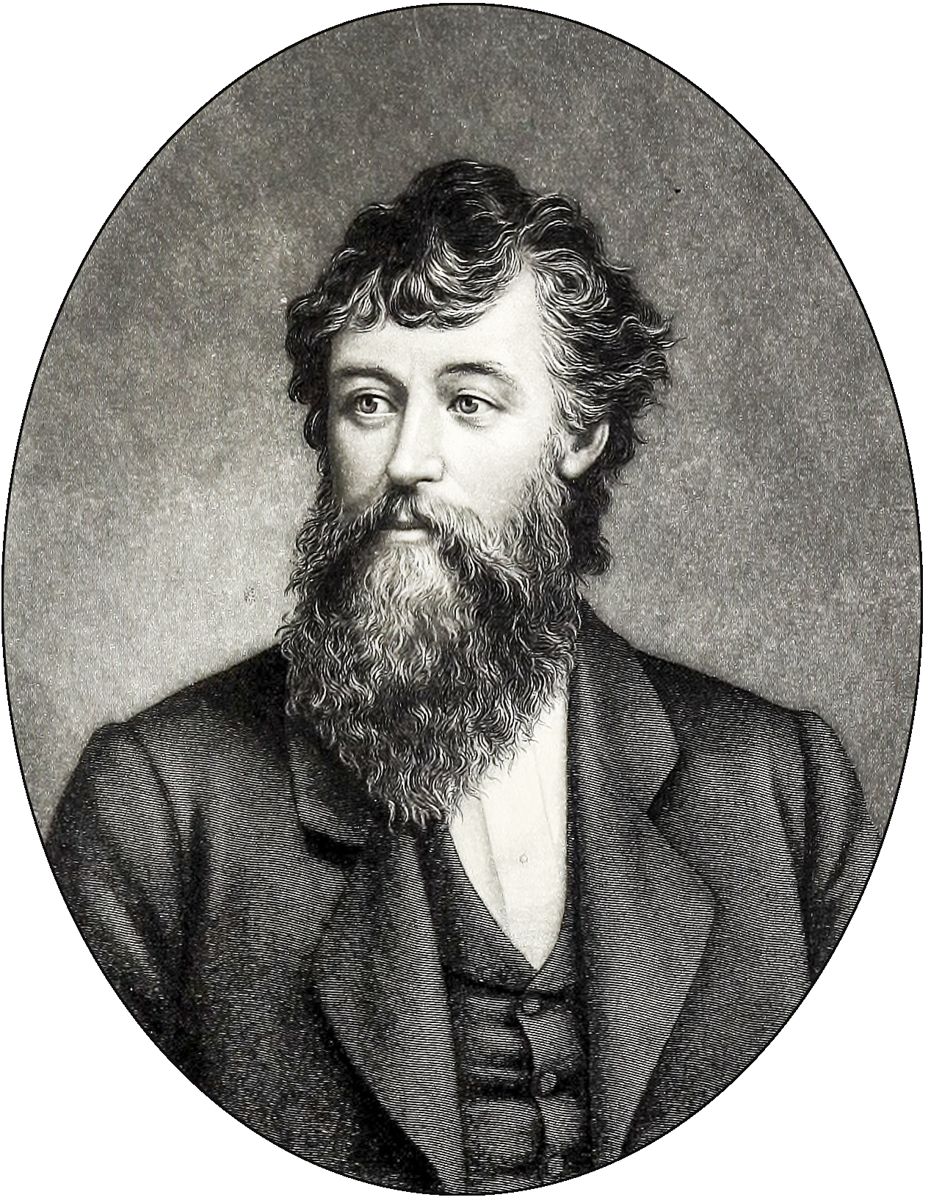
James Henry Salisbury, physician. It probably goes without saying that Dr. Salisbury was not married at the time of these experiments. He subsequently settled down and got married in 1860. His wife must have been a very patient and understanding domestic partner. Several early volunteers gave up after the bean diet experiments while another four later experimented with a diet of nothing but oatmeal for a month. Salisbury finally arrived on a diet of ground, lean beef as the best and most easily digested food. His prescribed diet consisting of “food meats” was given to Civil War soldiers to alleviate the symptoms of chronic diarrhea with some degree of success reported. His description of how to prepare “food meats” is as follows: “Eat the muscle pulp of lean beef made into cakes and broiled. This pulp should be as free as possible from connective or glue tissue, fat and cartilage. The “American Chopper” answers very well for separating the connective tissue, this being driven down in front of the knife to the bottom of the board. In chopping, the beef should not be stirred up in the chopper, but the muscle pulp should be scraped off with a spoon at intervals during the chopping. At the end of the chopping, the fibrous tissue of the meat (the portion which makes up fibrous growths) all lies on the bottom board of the chopper. This may be utilized as soup meat for well people. Previous to chopping, the fat, bones, tendons and fascia should all be cut away, and the lean muscle cut up in pieces an inch or two square. Steaks cut through the center of the round are the richest and best for this purpose. Beef should be procured from well fatted animals that are from four to six years old. The pulp should not be pressed too firmly together before broiling, or it will taste livery. Simply press it sufficiently to hold it together. Make the cakes from half an inch to an inch thick. Broil slowly and moderately well over a fire free from blaze and smoke. When cooked, put it on a hot plate and season to taste with butter, pepper and salt; also use either Worcestershire or Halford sauce, mustard, horseradish or lemon juice on the meat if desired. Celery may be moderately used as a relish. No other meats should be allowed till the stomach becomes clean, the urine uniformly clear and free, standing at a density of from 1.015-1.020, and the cough and expectoration so improved that they cease to be troublesome. When this time arrives, bring in for variety as side dishes, broiled lamb, broiled mutton, broiled game, broiled chicken, oysters broiled or roasted in the shell, boiled codfish (fresh or salt), broiled and baked fish free from fat, and broiled dried beef, chipped thin and sprinkled over broiled beefsteak to give it a relish. A soft boiled egg may be taken at breakfast occasionally with the meat if it does not heighten the color of the urine.”
The Salisbury prescribed diet is not without carbohydrates, but lacks any balance from plant based foods about which he states “Bread, toast, boiled rice or cracked wheat may be eaten in the proportion of one part (by bulk) to from four to six parts of the meat. The bread should be free from sugar and raised with yeast. It may be made from gluten flour, white flour or Graham flour; corn meal preparations should be avoided. All things not previously enumerated and the following articles of food in especial should not be eaten, viz.: beans, soups, sweets, pies, cakes, pickles, sauce, preserves, fruits, vegetables, greens, pancakes, fritters, crullers, griddle – cakes and mush. Vinegar should be carefully avoided.” He believed that vegetables produced poisonous toxins in the digestive system that were responsible for heart disease, tumors, mental illness, and tuberculosis. He believed that humans were meant to eat meat based on the shape of their teeth, and sought to limit vegetables, fruit, and fat in the diet. Dr. Salisbury also had some unusual theories about what to drink as well. He felt that only hot water should be consumed, and further that all cold beverages we were an abomination. He states, “we should not crave this cooling; this taste, much like the appetite for liquors, wines and drinks of all description, is a cultivated and abnormal one (and as) such have no place in the healthy system; they are symptoms of disease and warn us of a subbasic cause which must be removed.” Salisbury continues, “I have known confirmed drunkards, after they have been kept from all spirituous liquors and cured of diseased appetites by the restoration of tone to the digestive apparatus, to admit that they preferred hot water to liquor in any form, and to keep it up throughout life as a stimulant to digestion. Lukewarm water has also been tried, but was found to excite upward peristalsis and to make the men sick at the stomach. It was only after repeated experiments that the most favorable temperature, amount, and hours for taking the hot water were determined accurately as above given.” Lisa Bramen noted in her 2011 article for Smithsonian magazine that Dr. Salisbury’s diet can be considered as an early attempt at “Civil War health food.” This is especially true compared to long term effects of a diet consisting solely of salted meat, beans and hardtack. She further noted that upon publication in1888, Dr Salisbury’s findings led to increased popular interest in low carb diets. Dr. James H Salisbury’s recipe for “muscle pulp of beef” is better known today by another name, “Salisbury steak.”
Craig L. Barry was born in Charlottesville, Va. He holds his BA and Masters degrees from UNC (Charlotte). Craig served The Watchdog Civil War Quarterly as Associate Editor and Editor from 2003–2017. The Watchdog published books and columns on 19th-century material and donated all funds from publications to battlefield preservation. He is the author of several books including The Civil War Musket: A Handbook for Historical Accuracy (2006, 2011), The Unfinished Fight: Essays on Confederate Material Culture Vol. I and II (2012, 2013). He has also published four books in the Suppliers to the Confederacy series on English Arms & Accoutrements, Quartermaster stores and other European imports.