I Will Not Die Here!
By Joseph F. Wilson · Originally published March 2023 · pp. 32–33
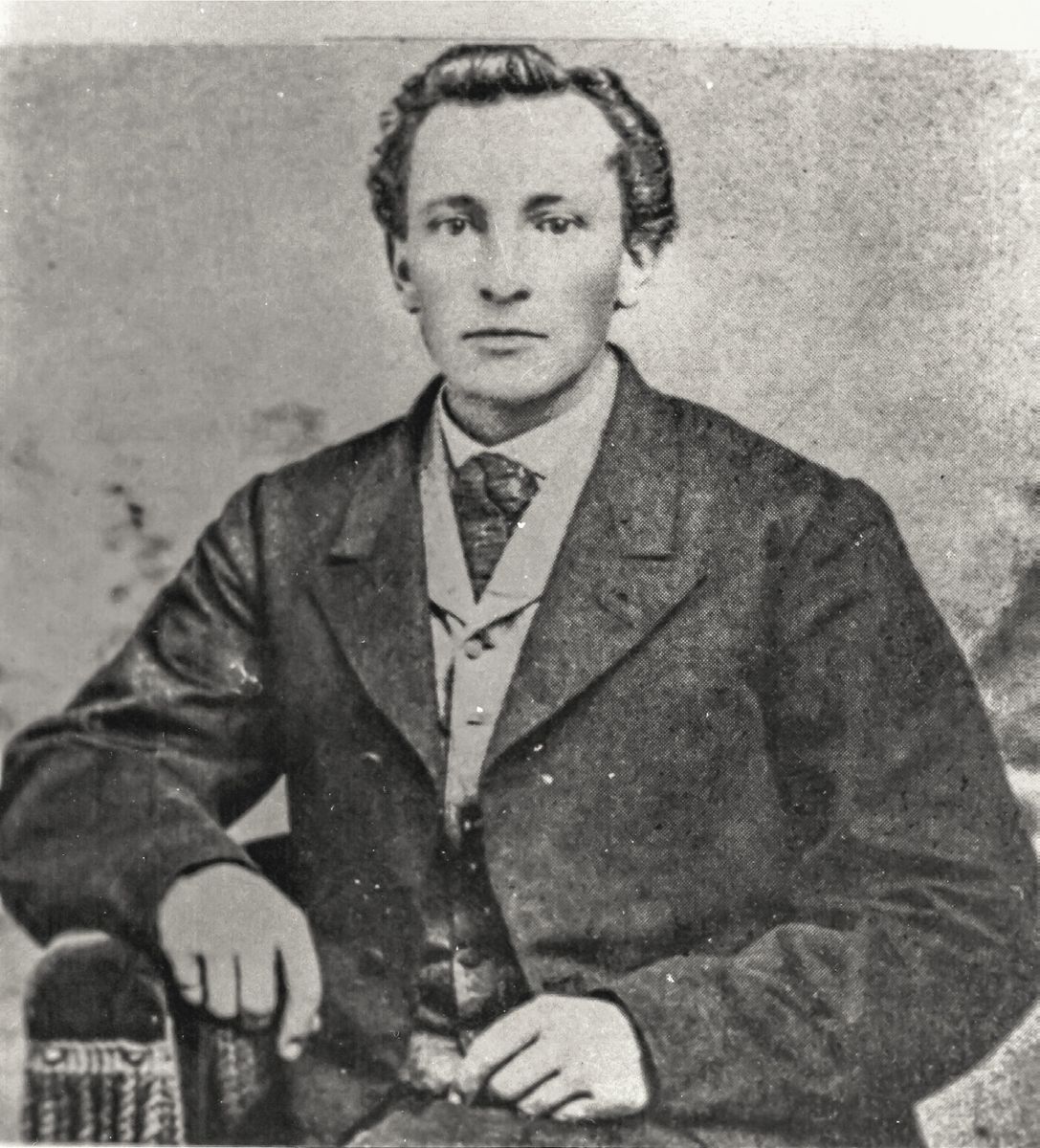
Over 420,000 Civil War soldiers spent time as a prisoner of war. One Union POW holds the distinction of surviving captivity longer than any other. A captured soldier could face many months languishing in a seedy prison down south or up north. Official reports list 30,000 Union prisoners who died, while 26,000 Confederate captives lost their life. Weak minded soldiers despondent over their plight went to the burial pits early. Only the strong-willed ever saw home again. Count Corporal Newell
Newell Burch
I Will Not Die Here!
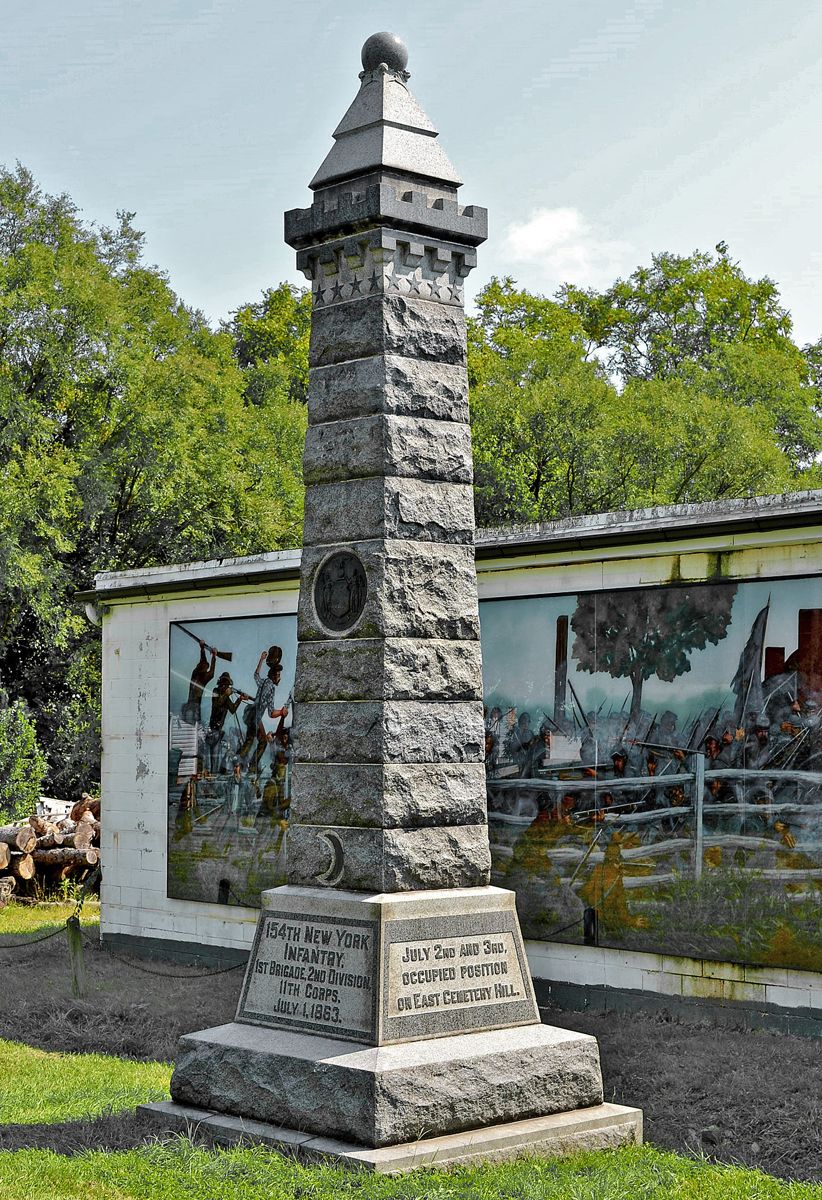
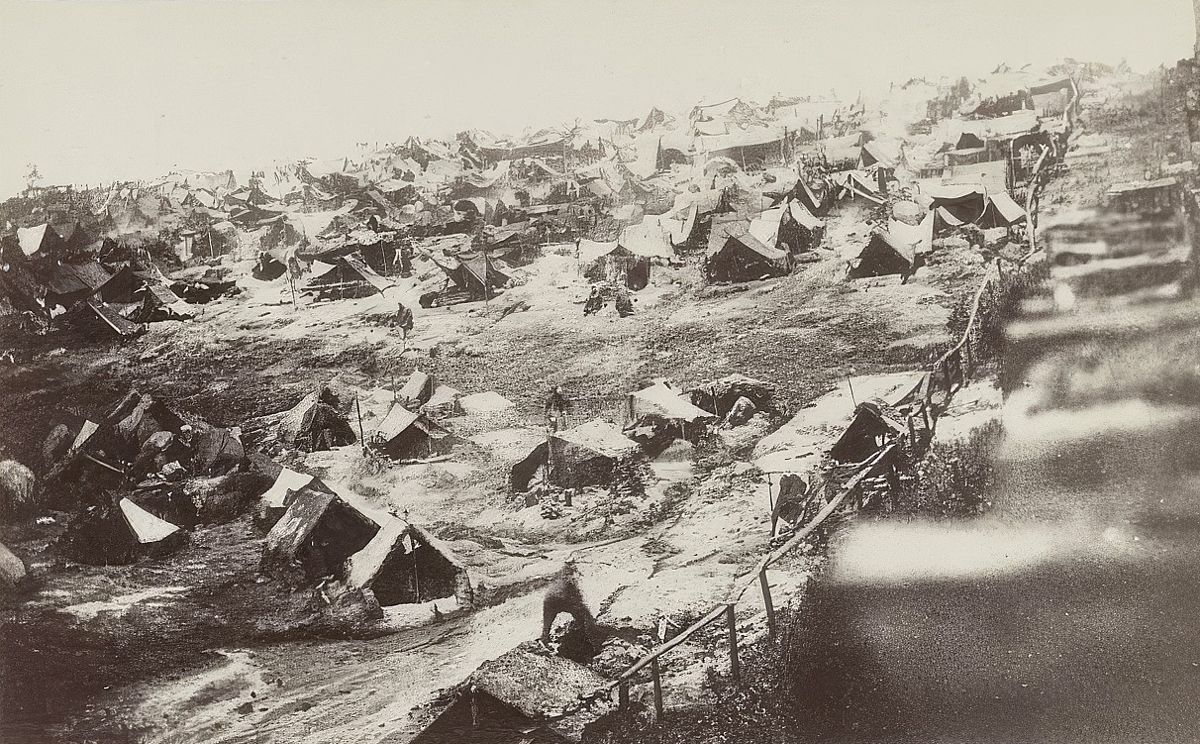
Burch among the latter. The New York farmer lived an idyllic life before the war working on the family farm near Lake Erie in northern New York. On August 25, 1862, a patriotic Burch enlisted as a corporal in the 154th New York Infantry. Less than a year later, Newell was marched at the point of a bayonet as a prisoner of war. His nightmare lasted 661 days. Only a fierce determination carried the tough farm boy through two of the worst prisons of the war. On Belle Isle in Richmond, his battle to survive lasted seven months. Burch faced his most severe test struggling to stay alive for another 13 months in the infamous Andersonville Prison Camp in Georgia. His family had given Newell up for dead. The 154th N.Y. faced their first combat at Chancellorsville during May 1863. General Stonewall Jackson’s furious flank attack swept over General Oliver Howard’s XI Corps that included the 154th regiment. Being a swift runner, Burch raced like a deer through the woods with musket balls whistling past his ears. One ball struck the fleeing corporal directly in the upper back. Only his knapsack saved him from a cemetery plot. Two months later at Gettysburg, there wasn’t anywhere to run. On the 1st day’s fight, the 154th went to aid Federals retreating toward town. A stiff fight developed in a brick yard when the Confederates surrounded the New Yorkers. Over 150 of the 154th’s men were marched to Virginia as prisoners along with many other captives as his odds of ever seeing farm or family again plummeted. In Richmond, authorities paraded their Yankee trophies through town. People lined the streets screaming and spitting at “Lincoln’s Assassins.” All the captives then crossed over to Belle Island in the middle of the James River. A blazing hot sun marked the summer months. With the coming of winter, cold winds sweeping up the river ushered in a season of death. Without adequate shelter, men dug holes in the colder months to escape the elements. After severely cold nights, lifeless cadavers filled many holes. Many froze to death and never crawled out of their pits. Newell Burch laid out on open ground for a month before being issued a ragged tent that offered little protection. By volunteering to register new prisoners, a scheming Burch received an extra ration to keep from starving. All the southern prisons had trouble securing food as food riots already rocked southern cities. Any available food went first to Lee’s Army, then to the citizens, prisoners received what was left. Newell’s tent mate, Pvt. Truman St. John, was his first friend to perish. He wouldn’t be the last. Truman left the island for a Richmond hospital where few of the sick ever recovered. Burch watched many of his 154th friends surrender to disease, exposure, and starvation. Each death strengthened his oath to make it back home. Following Truman’s death, Burch bonded with Corporal Ebin Ely. Ely secured a plum position ferrying over supplies on a boat from Richmond. In town, Ely bartered with black women to gain trade items. Burch and Ely then engaged in trading with guards and fresh prisoners for greenbacks and more rations, “In this way we kept our company at an advantage over others in the way of grub.” Being flush with greenbacks and rations didn’t keep Newell’s health from failing on the cold and crowded island and his health declined over the winter, but he feared going over to the hospital. In his diary Burch recorded, “Am somewhat down today with diarrhea, headache, and fever. Pretty much sick. Am quite unwell.” In December, an infection inflamed his arm after a smallpox vaccination didn’t heal well, and seemed destined for the cemetery. In February, the prisoners welcomed news of a transfer. Confederates reported that anew camp in Georgia featured a lovely shaded stockade with cool fresh water flowing through the center. Men happy to be leaving the cold Island for a warmer climate marched for the train depot. All thought leaving Belle Island was a blessing. Nobody had heard of Andersonville. Soon, they’d all be cursing both governments for leaving them to die inside the enclosure. Newell Burch’s health continued to worsen. Ely cradled the sickly Newell in his arms while the crowded cattle cars headed south for the newly constructed Andersonville Stockade. Stepping off at the Andersonville depot, Corporal Ely physically supported the ailing Burch who couldn’t make the half mile walk to the stockade on his own. To enter Andersonville already sick usually didn’t end well for prisoners, but a determined Newell vowed he’d see Lake Erie again. Andersonville hadn’t been completed when he arrived the first day of March. Slaves were still working to finish the 16 acre stockade. Running through the center of the stockade, a stream provided acceptable drinking water. Overcrowding hadn’t happened yet. In the next few months, 400 prisoners entered the stockade every day. With the south funneling all Union captives to Andersonville, things quickly deteriorated. What had been a suitable source of drinking water soon received excrement and filth from dirty prisoners. Outside the stockade, a cook house and Confederate camps up stream polluted the stream even before it entered the stockade. In his diary, prisoner Eugene Forbes stated, “the stream wasn’t fit for washing your clothes, much less drinking.” By the end of June, 25,000 prisoners inhabited the 16 acre plot. Prisoners had little protection from the hot summer days or the cold chilly nights. Conditions demanded the stockade be expanded to 26 acres in July. Disease claimed victims on a massive scale. By August, 100 men went to the burial pits every day. Meanwhile, Newell
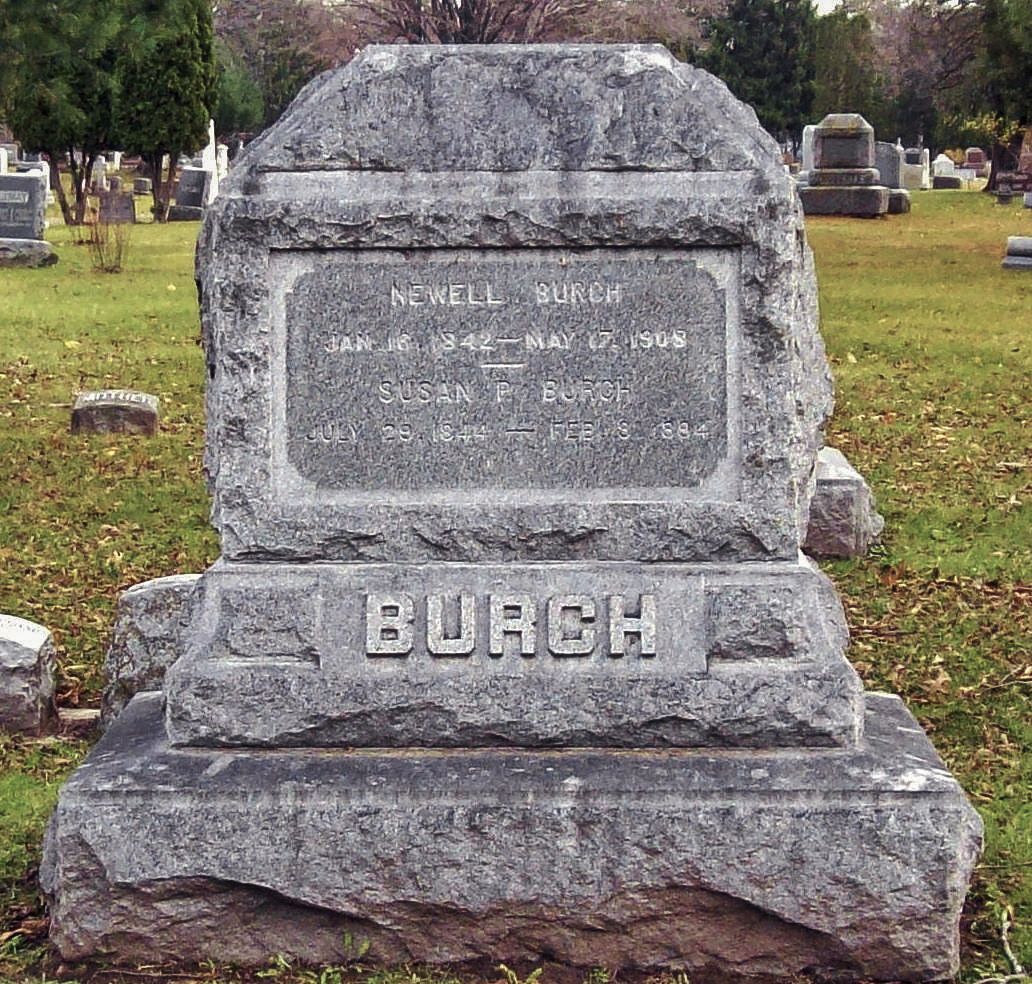
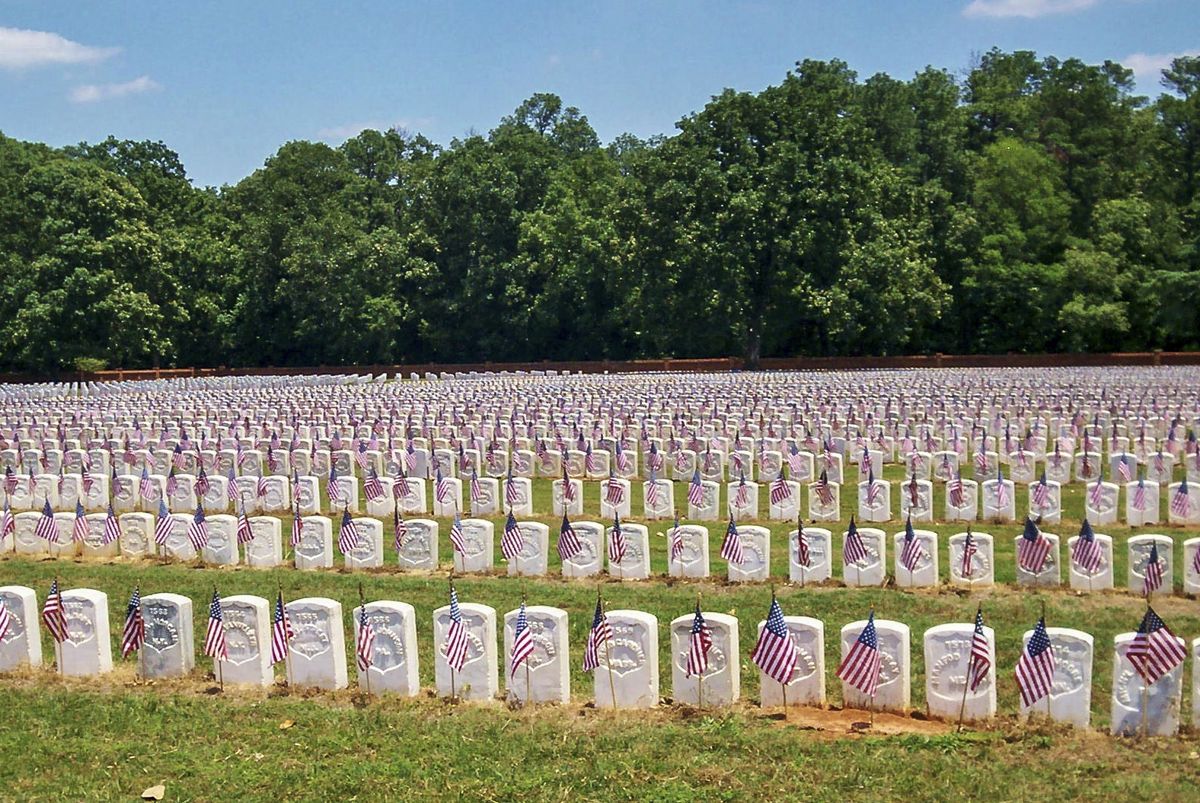
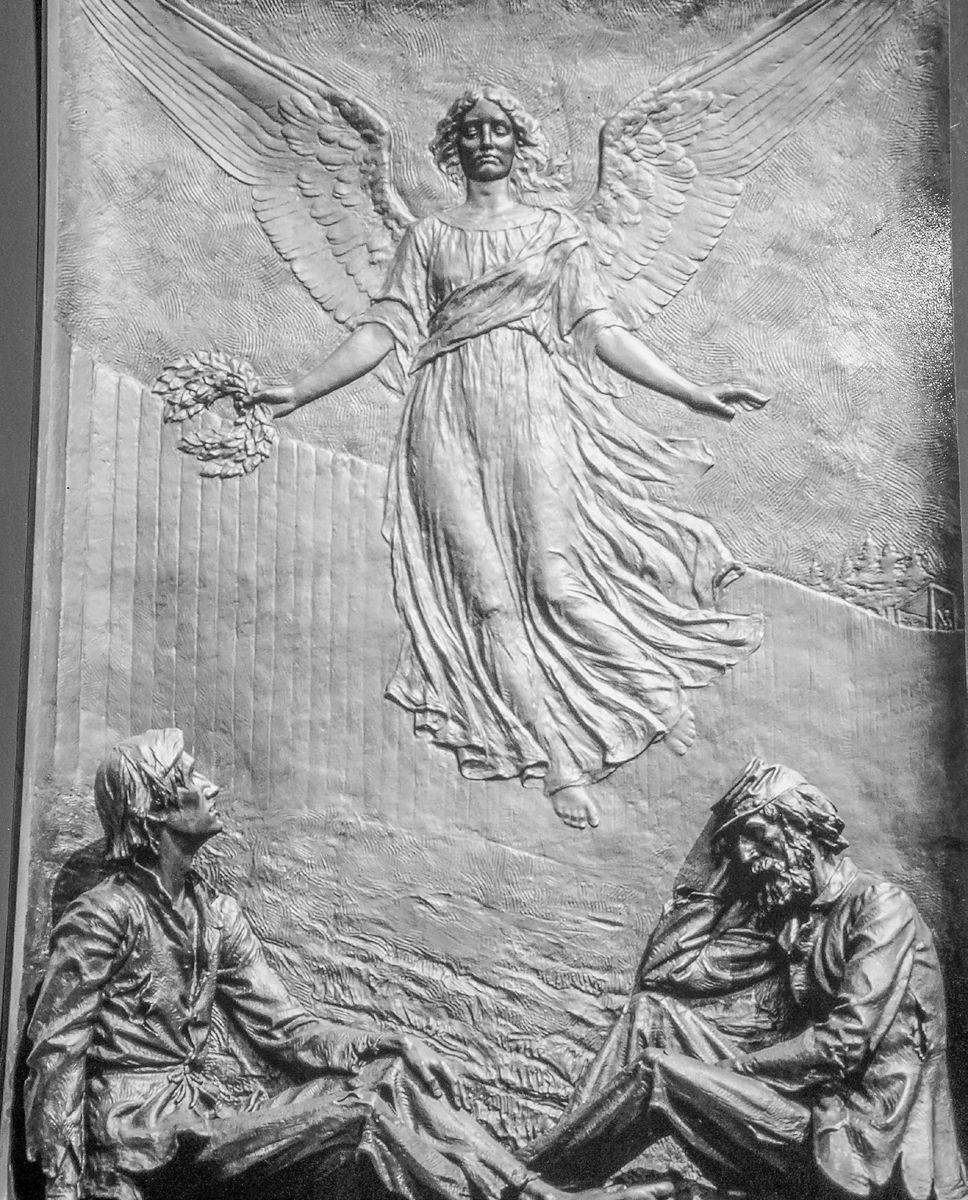
CivilWarNews.com Burch added scurvy to his list of ailments as his diet grew worse. Failing health became critical for Burch. Everyday Ely lifted Newell to his feet and helped him to the South Gate where hundreds of sick prisoners gathered daily to see a doctor. Only a small number were chosen. The stronger of the sick pushed and shoved their way to the front. Weaker men crawling or walking with the help of a comrade had no chance of getting near the gate. Every morning Ely tried to get Newell help without success. With death all around, Burch watched as many gave up and died. He noted, “They gave up, and when any man gave up in a rebel prison, he was dead already,” But he chose hope over despair. The present day New York monument in the cemetery illustrates this conviction showing a soldier with hope sitting opposite a woeful despairing figure waiting for death. Finally, on August 22, Ely succeeded in getting Burch medical help. A doctor saw the ailing Corporal and admitted him to the hospital. Newell said good bye, but before leaving the stockade, Burch and Ely divided their money. It was the last time he ever saw Ebin Ely. Suffering stiff joints from scurvy, Burch wrote, “I had just enough strength to crawl around on one leg and a stick.” Burch later credited Corporal Ely for his survival. In September, Sherman captured Atlanta causing Confederates to evacuate Andersonville. Burch dragged himself to the train depot with two crutches made from tree branches. The commandant, Captain Henry Wirz, ordered the invalid back to the hospital. Wirz believed he’d never survive the trip; Burch later admitted that Wirz likely saved his life. While in the hospital the cunning Newell used his greenbacks to barter for supplies to treat his maladies. Turpentine rubbed into his scurvy stiffened joints worked well. Trading for vegetables fought the scurvy. Soap and fresh bandages cleared up the scorbutic ulcers. A daily dose of nitric acid burned out the festering infection from the smallpox injection. He slowly began to recover. Surprised doctors approached him to investigate how he regained his health. After explaining the methods, the doctors made him ward master in the hospital. Till the very end, a compassionate Burch nursed countless soldiers back to health. Corporal Burch was one of the first to arrive at Andersonville and one of the last to leave. He departed Andersonville on March 24, 1865. Along with other prisoners, Newell took a rail car to Jackson, Mississippi. From there, they walked 45 miles to steamboats waiting at Vicksburg to transport the freed men home. Men too far gone died along the way. Burch received his parole on April 21, 1865. It had been a long and trying 661 days since his capture. Corporal Burch got lucky once more. On April 21, he boarded the steamboat SS Olive Branch. If they had been delayed by a few days, his group would have boarded the SS Sultana which exploded on April 27 sending over 1,700 frail prisoners into the Mississippi River and certain death. Prisoners survived Andersonville only to be swept away in a maritime tragedy greater than the Titanic. All of Newell’s friends departed Andersonville in the mass September evacuation. Never hearing any news after Burch entered the hospital, they all assumed he perished in the sick bay like most who entered the medical facility. Family back home got word from his comrades that he was dead, but Burch still walked among the living. Against all odds, Newell strolled up the dirt road leading to his family farm by Lake Erie. Shocked family members came running out to greet the former prisoner they all thought dead. Newell married after the war and fathered six children. Burch passed away at the age of 66 in 1908; fate granted him another 43 years of life after leaving Andersonville. Most of his comrades in captivity remain buried in the Andersonville National Cemetery. Fortitude, ingenuity, and a bit of good luck all helped earn the gritty Corporal Newell Burch the title of “the longest held prisoner of the Civil War.” Joseph F. Wilson lectures on Andersonville Prison and is a member of the General Meade Society and the Old Baldy CWRT. His documentary film “Civil War Prisons - An American Tragedy” in available on Amazon pay per view. Contact - joef21@aol.com.