Brotherly Bonds Broken at Spotsylvania
Originally published June 2023 · pp. 12–13
Brotherly Bonds Broken at Spotsylvania While there were occasions during the Civil War where brothers opposed each other in battle, it was far more common for family members to serve together in companies and regiments. Such was the case with Lt. Irby Goodwin Scott and his younger brother Pvt. Nicholas Ewing “Bud” Scott, who both served in Co. G, 12th Georgia Infantry. Irby, an eager volunteer, joined in June 1861. Young Bud had to wait until he turned 18 but enlisted two years later. In his collection of letters, edited by Johnnie Perry Pearson, and published by the University of Tennessee Press, Irby often commented about Bud before his younger brother was able to enlist. From his earliest letters, Irby encouraged Bud to remain at home. Writing to his family from Richmond on June 25, 1861, Irby noted, “Tell Bud I think that he had better remain at home that there is enough men here for the present the whole country is alive with them.” A month later Irby reiterated his caution to his younger brother: “Tell Bud that I do not want him to come for he will find it different from what he expects there is many things he has never thought of and many quite different from his idea of it there are some in our company who were badly mistaken and wish now they had staid at home, but it is to late for them now to get out it.” In a March 1862 letter, Irby gave several reasons for Bud not to join yet. Among them, Irby believed that Bud still lacked a mature “constitution,” and thus his health could suffer from serving. He also warned that the army was not a good place for a young man to acquire habits. Irby also thought that the army did not need Bud at the present time and that Bud could help the family more by remaining at home. As Bud’s 18th birthday approached in April 1863, Irby had fewer reasons to discourage his brother’s enlistment. In a letter from “near Fredericksburg” that month, Irby advised his family about how to get Bud to the army’s present position and that he had made arrangements for Bud to join his regiment and company. Irby cautioned though, that, “I cannot get him in my mess yet for we already have too many, but I can make arrangements for him for the present, and then I will see what can be done.” Bud arrived in Richmond by train on June 5, 1863. Coming along with him was an enslaved man from the Scott family named Franklin, who served as a camp servant. By June 17, Bud and Franklin were with Irby and the 12th Georgia. In a letter that day, Irby noted that both brothers’ health was good and that “Bud has stood the march very well.” Although Irby had fought in several previous battles, Bud’s first taste of combat came at Gettysburg. Irby wrote home five days after the battle from Hagerstown, Maryland. In that letter he related that “both of us have escaped thus far unhurt through the protection of a divine providence.” Due to illness, Irby missed the first day’s fight, but Bud fought all three days. Irby (Tim Talbott)
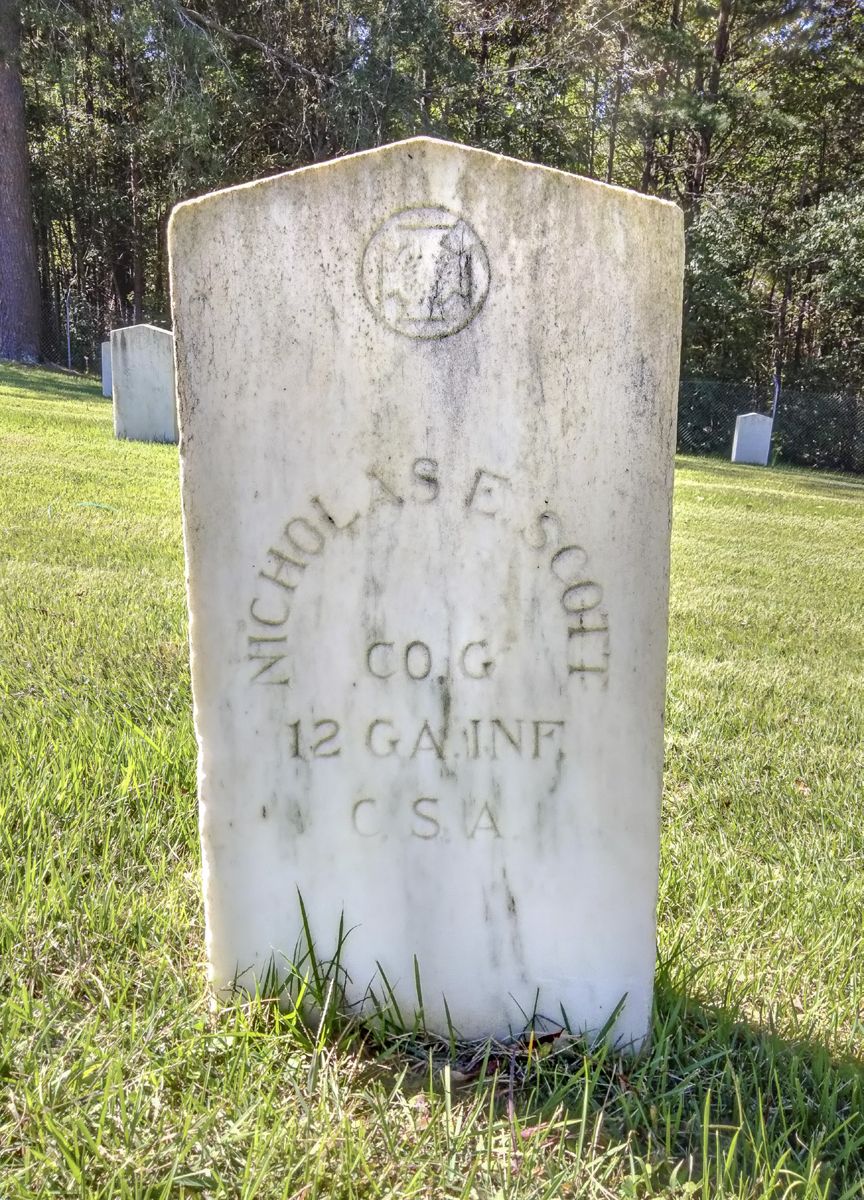
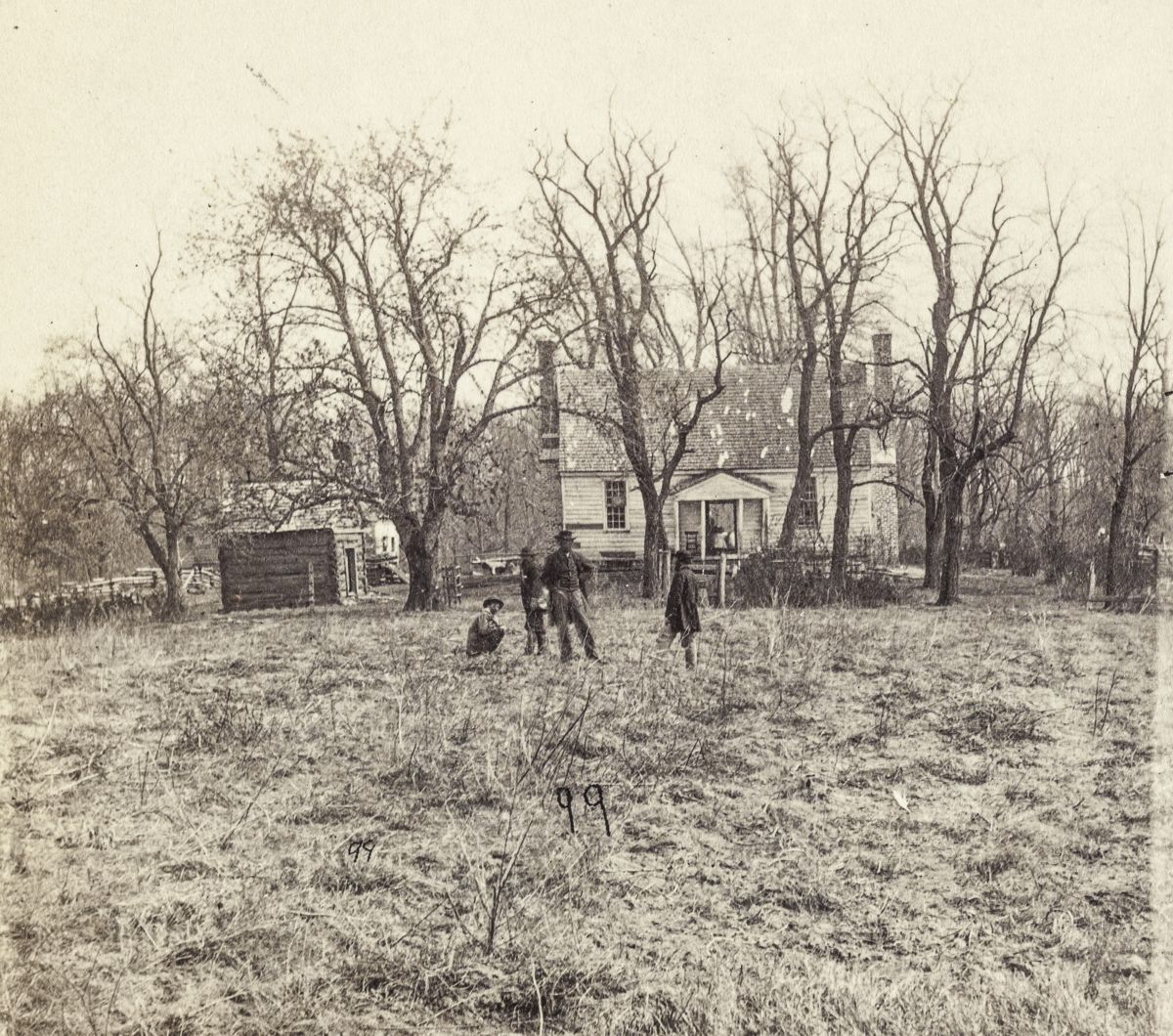
CivilWarNews.com left some writing space for Bud in a letter dated July 16. In it, Bud was able to tell his father a little about his Gettysburg experience and explained that “I don’t expect to see home soon unless I get wounded.” In closing, he mentioned having diarrhea but hoped that he could continue to avoid contracting measles. Through the summer and fall of 1863, Irby and Bud went through the routines of camp life. Unfortunately, they do not express much about their relationship in their letters. Their primary concerns seemed to be informing their Georgia family about their health and war news. Few letters tell about the brothers’ experiences during the winter and early spring of 1864, but that winter they were part of a detachment sent to the Shenandoah Valley to scout. They remained in the Valley until mid-April. Back with the 12th Georgia in Gen. George Doles’ brigade, Bud wrote his father at the end of April that “I am looking for a big fight to come off every day both sides are making preparations for a fight.” He included a postscript that he turned 19 that day. Irby and Bud next fought in the tangled Wilderness near Saunders Field against Maj. Gen. Gouverneur K. Warren’s V Corps. Irby wrote home, “In line of Battle,” on May 6, informing his father about the casualties in the regiment and his company and relating that “Bud was shot through the leg of his pants,” but was apparently otherwise unharmed. During the furious fighting of Col. Emory Upton’s Federal attack at Spotsylvania the evening of May 10, 1864, Bud was killed in action. In a letter that apparently did not survive, Irby wrote home to inform his parents. He wrote again on May 16 explaining: “I wrote you of Buds death he died fighting gallantly for his Country and his rights. I had him buried in a garden at the house of Mr. McCool [McCoull] about two miles north of Spotsylvania Court House. His name was marked upon a board at the head of his grave.” That was all Irby wrote about Bud in that letter. Possibly feeling physically, mentally, and emotionally spent, that was all he could endure at present. Lending some evidence to that notion, Irby also mentioned that “I hope the fighting is over though I fear not. The men are all broke down.” Perhaps realizing that his folks may wish for additional details about Bud’s death, Irby included more information in a May 25 letter from Hanover, Virginia. After explaining he had not “received the least injury” in the latest battles, Irby said that Bud’s death on May 10 was from “the ball entering his head above the left eye, passing out at the back of the head.” Caught up in the fury of the fight, Irby did not learn of Bud’s death until the following morning when a company comrade located Bud “within a few feet of the trenches.” One can almost feel Irby pour out his brotherly emotions in the next few lines: “I cannot describe my feelings when I learned his fate. I try to console myself that he died in a good cause, fighting gallantly for his country. He was a brave boy and a more gallant soldier never lived.” The grief Irby must have suppressed came spilling out: “I think of him every hour in the day and feel lonely for I always had an eye to his comfort. More than for myself. I would rather if it had been the will of God for him to have been spared.” Irby expressed that, “I must stop writing upon the subject and try to dismiss it from my mind. It makes me feel so sad.” Irby soldiered on without Bud, fighting outside Washington, D.C., and in the Shenandoah Valley with Gen. Jubal Early’s command, and eventually at Petersburg. He survived the war and lived until 1925. Bud’s remains eventually received interment in the Spotsylvania Confederate Cemetery where he presently rests. CVBT has preserved over 150 acres at Spotsylvania. Tim Talbott is the Chief Administrative Officer with the Central Virginia Battlefields Trust.
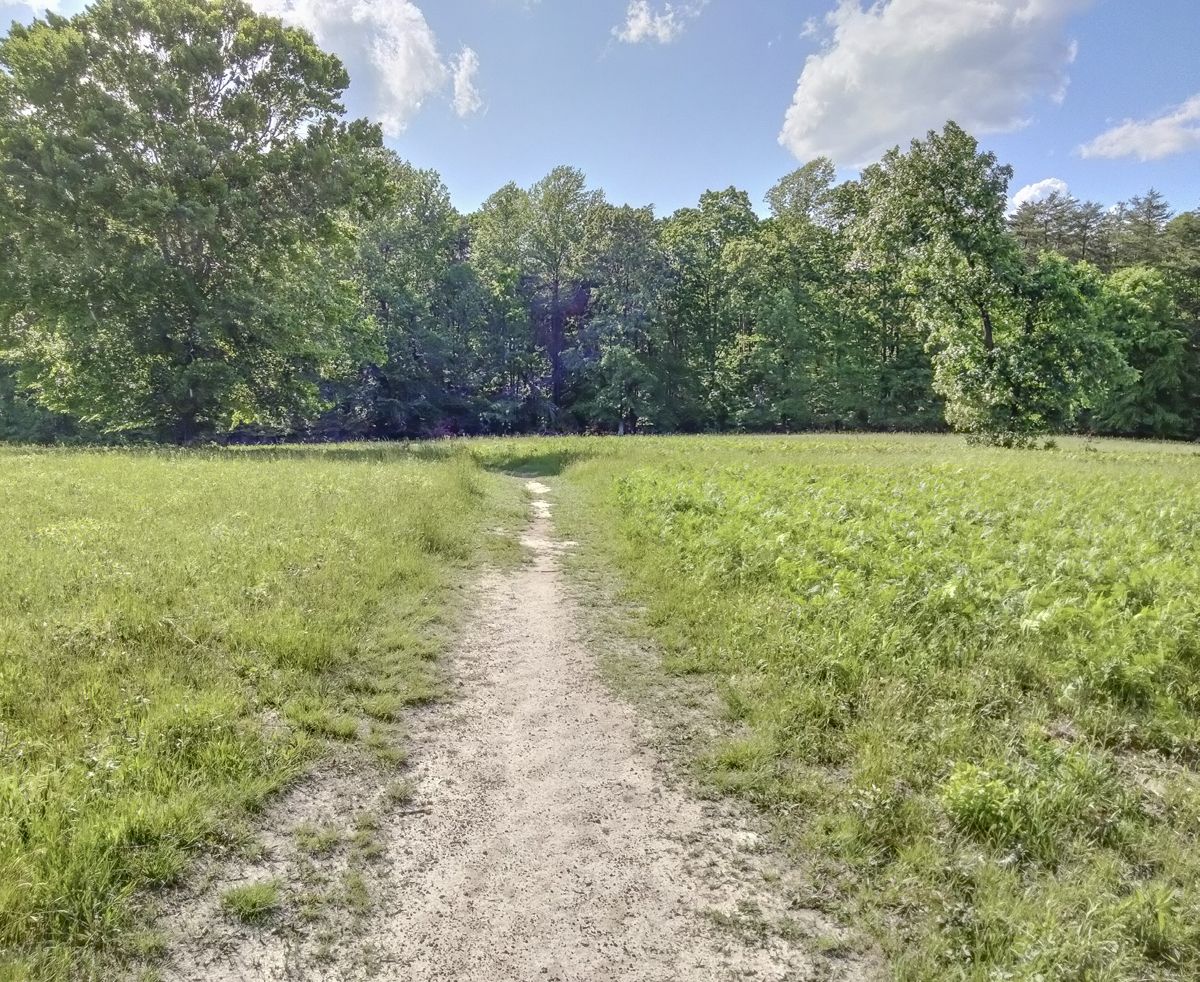
The mission of CVBT is to preserve land associated with the four major campaigns of: Fredericksburg, Chancellorsville, Mine Run, and the Overland Campaign, including the Wilderness, and Spotsylvania Court House. To learn more about this grassroots preservation nonprofit, which has saved over 1,700 acres of hallowed ground, please visit: www.cvbt.org.