“We Were Obliged to Retire:” Bartlett’s Brigade’s May 5, 1864, Wilderness Experience
By Tim Talbot · Originally published July 2023 · pp. 12–13
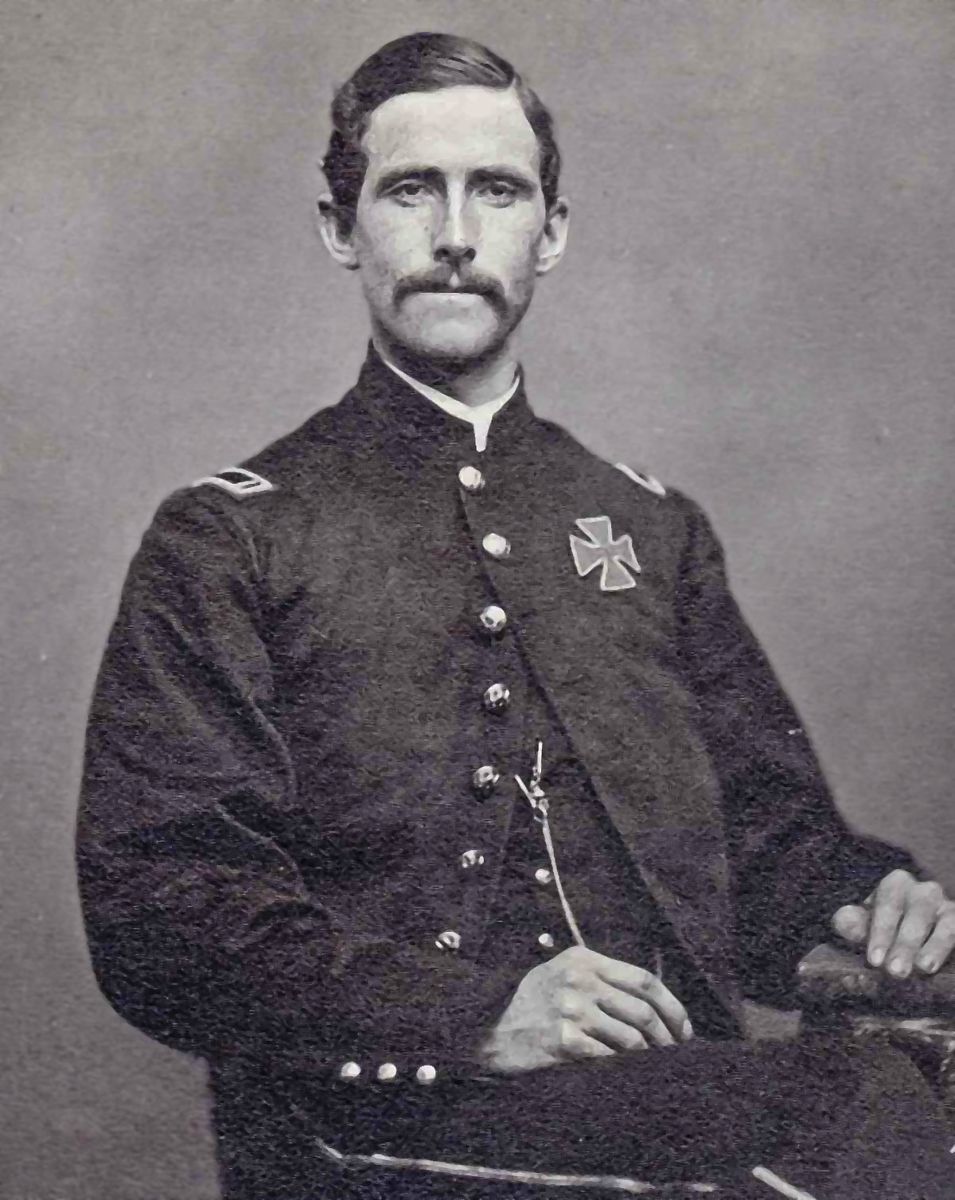
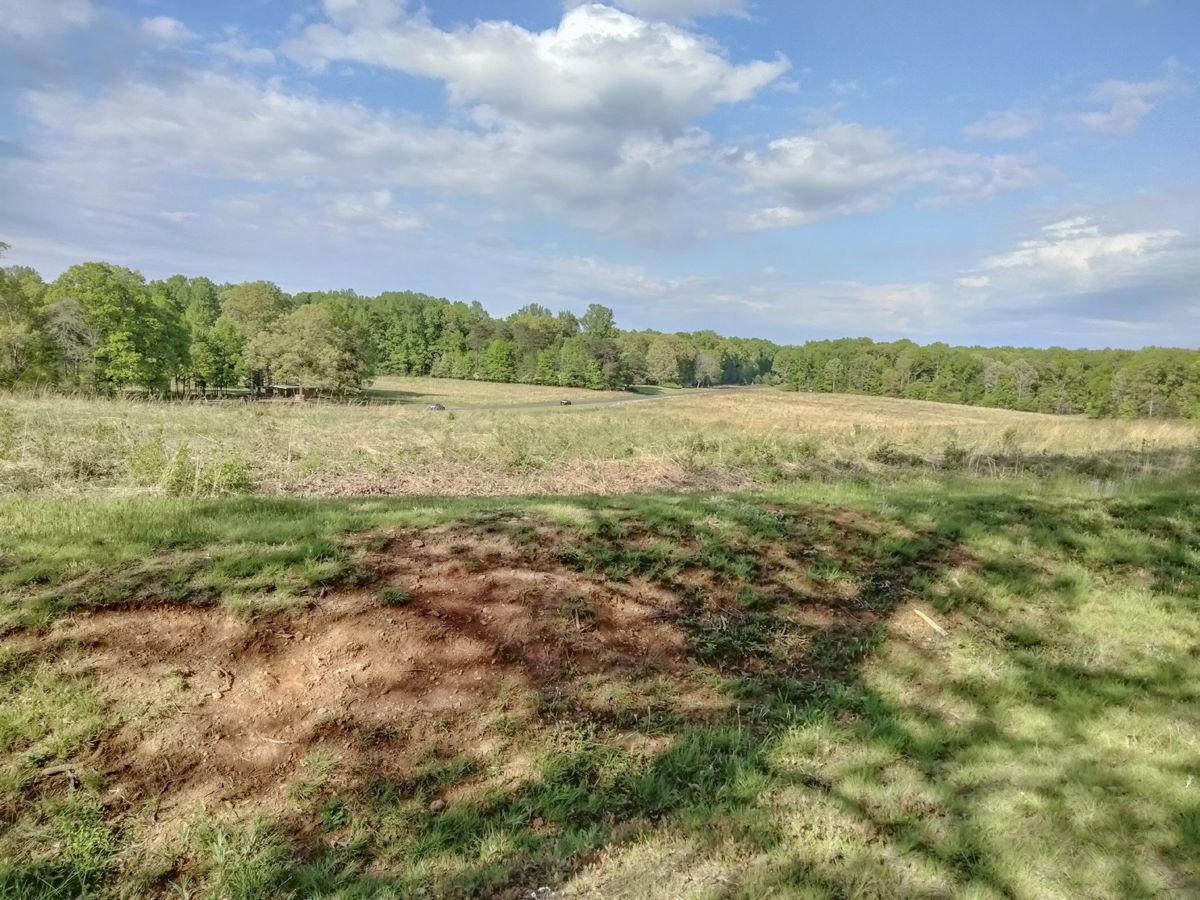
“We Were Obliged to Retire:” Bartlett’s Brigade’s May 5, 1864, Wilderness Experience By Tim Talbot Depending on a host of circumstances, the fighting that unfolded at the Battle of the Wilderness produced mixed results in terms of gained ground. As with battles fought primarily in open fields, maintaining connections with brigades operating on one’s flanks was key, as was receiving reinforcements when pressed. The broken terrain of the Wilderness and its mishmash of dense thickets and small cleared farm openings exacerbated combat situations that were challenging enough in ideal conditions. On May 5, 1864, Brig. Gen. Joseph Bartlett’s V Corps regiments encountered some of these issues that contributed toward a measure of early success melting away into chaos, and ultimately a withdrawal back to their starting points. Fully composed, Bartlett’s Brigade in Charles Griffin’s Division, consisted of the 1st and 16th Michigan, 18th Massachusetts, 20th Maine, 83rd and 118th Pennsylvania, and 44th New York. These regiments were very much undermanned due to earlier losses. Detailed to guard the brigade wagon train on May 5th, the 16th Michigan did not get into the battle. The brigade’s regiments marched from their Culpeper County camps on May 3, and crossed the Rapidan River at Germanna Ford on the morning of May 4. The brigade reached the Wilderness that afternoon and camped. The following morning, May 5, orders came to move forward and engage Confederates in their front, largely Gen. John Jones’ Virginia Brigade, partially covered by woods on the west end of Saunders Field. The 1st Michigan served as the brigade’s primary skirmishers. Fanning out on the left side of the Orange Turnpike, their right rested near the road. Ordered to advance, the skirmishers “on a double-quick over an open, but broken piece of ground,” went forward “driving the enemy’s skirmishers,” reported (Library of Congress)
Lt. Col. William Throop. Soon the Michigan men received “so severe a fire that we were obliged to retire from the woods and fall back to our supports … our loss was very heavy,” Throop explained. Bartlett’s first battleline behind the skirmishers included from left to right, the 18th Massachusetts, 83rd Pennsylvania, and 44th New York. “In this order an advance was made at double-quick across the field, driving in the enemy’s skirmishers,” Lt. Col. DeWitt McCoy of the 83rd reported. The historian of the 83rd remembered that they, “with bayonets fixed, ran forward with such a yell as must have made the Johnnies realize for once … ‘hell broke loose.’” This strong movement broke Jones’ Confederate line. During the pursuit, Col. Orpheus Woodward of the 83rd received a wound below the right knee that later required amputation. Bartlett’s regiments outpaced Sweitzer’s Brigade on the left and Ayers’ Brigade to the right, so they halted and awaited orders. During the assault across Saunders Field’s open ground and the woods further west, the 18th Massachusetts captured about 40 prisoners, who they escorted to the rear. They received orders to “fall back on account of the failure of the right [Ayers] to drive the enemy,” reported Lt. Col. William White of the 18th. During the withdrawal, Col. Joseph Hayes received a painful but not fatal bullet wound to the head. When they returned to improvised works they dug earlier, Maj. [Thomas] Weston suffered “so severe an attack of sunstroke as to render him temporarily insane… .” In addition to Col. Hayes and Lt. Timothy McCarty (both wounded), the Bay State regiment suffered five killed and 14 wounded. The 44th New York Infantry’s regimental history explains they were also in Bartlett’s first line. Placed to the right of the 83rd Pennsylvania, which probably put them on an across the north side of the Orange Turnpike, they went forward unsupported. Maj. Edward Knox reported that “After about one-half hour’s hard fighting we were relieved, and fell back about half a mile and took position behind breast-works.” Regardless of Knox’s brief battle report, the 44th lost 12 killed and 48 wounded. The 20th Maine and the 118th Pennsylvania made up Barlett’s second line, with the Maine men on the right. Maj. Ellis Spear of the 20th Maine reported the regiment pressed forward about three-quarters of a mile, but coming to a second opening in the woods, halted after taking heavy fire from the front and left. Noticing he was unsupported on the right, Spear threw out skirmishers and refused his left. But “pressed from the right and left and in front, we fell back to our original works,” he explained. The 20th Maine managed to capture 35 Confederates, but lost 10 men killed, 58 wounded, and
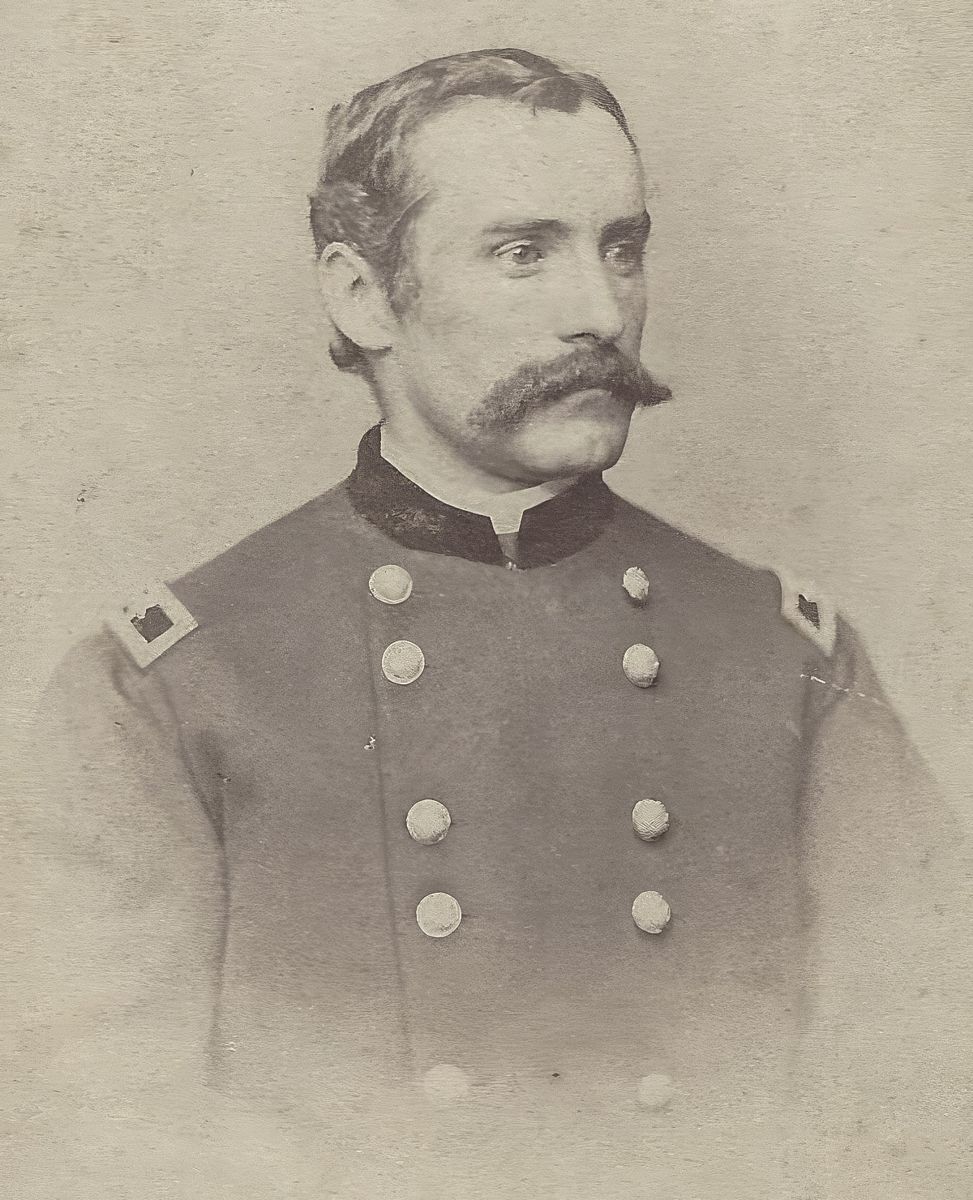
16 missing. Lt. Holman Melcher’s May 5, 1864, experience illustrates the confused fighting during Barlett’s attack. The young 20th Maine officer and a group of 17 comrades advanced through an opening created by the assault and advanced so far they lost all connection with their regiment or any other Federals. Worried they would end up captured, or thought cowards who ducked the fight, Melcher believed “Our only chance was to cut our way through.” Finding a lightly defended place, the small group attacked from behind. The sudden surprise nabbed some Confederates as prisoners while others fought Melcher’s little group hand-to-hand. Two of Melcher’s men were killed, and
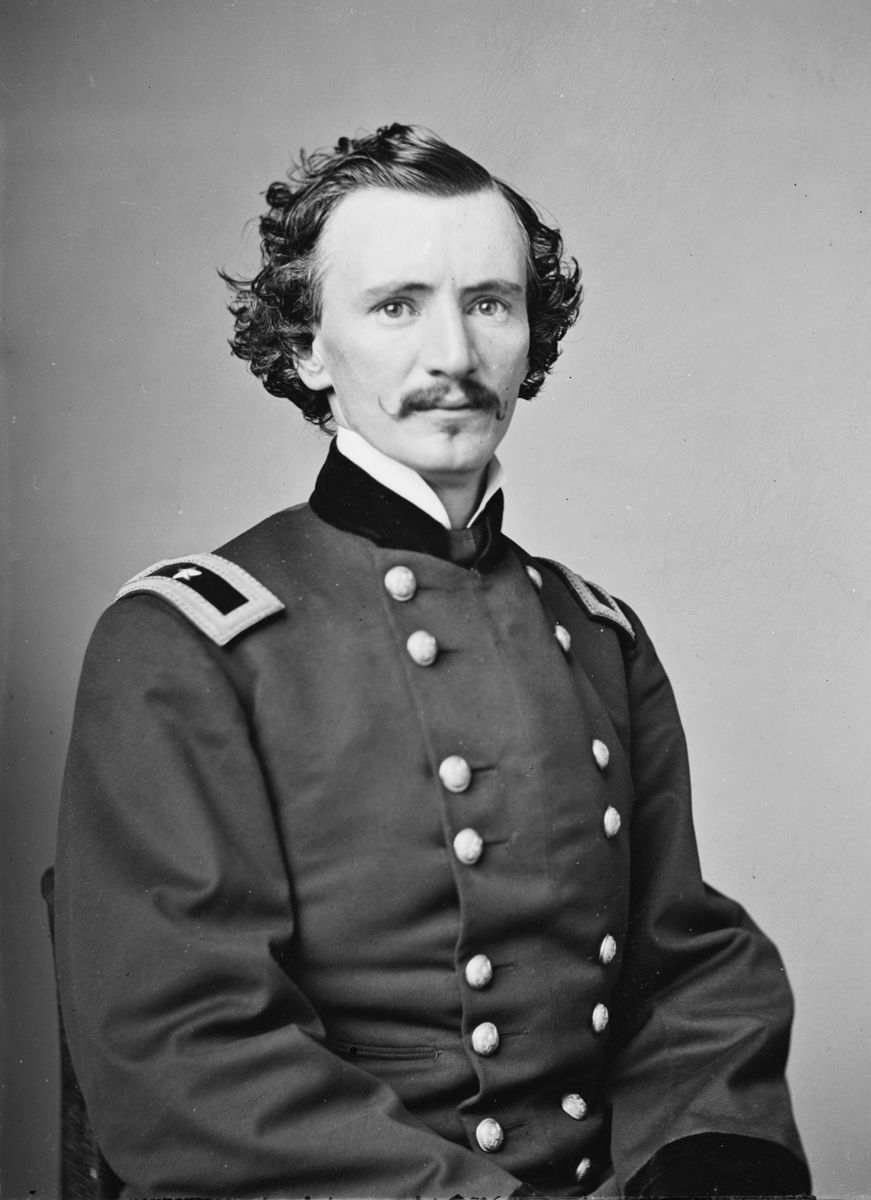
CivilWarNews.com several wounded, but they ended up capturing 32 Confederates, who were hustled to the Federal lines. Melcher’s men turned over the prisoners and located their regiment. Lt. Col. Charles Herring of the 118th Pennsylvania also gave a brief official report. He noted that “after charging and engaging them, they were found on the flanks, pressing to our rear; the regiment returned with the brigade by order.” The regiment’s commander, Col. James Gwynn, was wounded in the action. In addition, two men were killed, 26 wounded, and 27 missing. Bartlett himself barely escaped May 5 alive. In the chaos of the battle, the general received a facial wound and had to make a mad dash back toward his lines on horseback only to have his steed shot and tumble over on him. Amazingly, he withstood the crushing blow and walked off the field. Bartlett’s regiments, not being formally engaged, spent most of May 6, 1864, in support roles. However, the 118th Pennsylvania and 18th Massachusetts reported being shelled by Confederate artillery, and the 1st Michigan noted harassing enemy sharpshooters. More difficult combat for these regiments was just ahead in the coming weeks and months at Spotsylvania, Petersburg, and on to Appomattox.

Tim Talbott is the Chief Administrative Officer with the Central Virginia Battlefields Trust. CVBT has helped save over 220 acres of Wilderness battlefield land. The mission of CVBT is to preserve land associated with the four major campaigns of: Fredericksburg, Chancellorsville, Mine Run, and the Overland Campaign, including the Wilderness, and Spotsylvania Court House. To learn more about this grassroots preservation non-profit, which has saved over 1,700 acres of hallowed ground, please visit: www.cvbt.org.