“The Most Terrific Fire that I Ever Saw”: Artillery at Fredericksburg
By Tim Talbott · Originally published January 2023 · p. 20
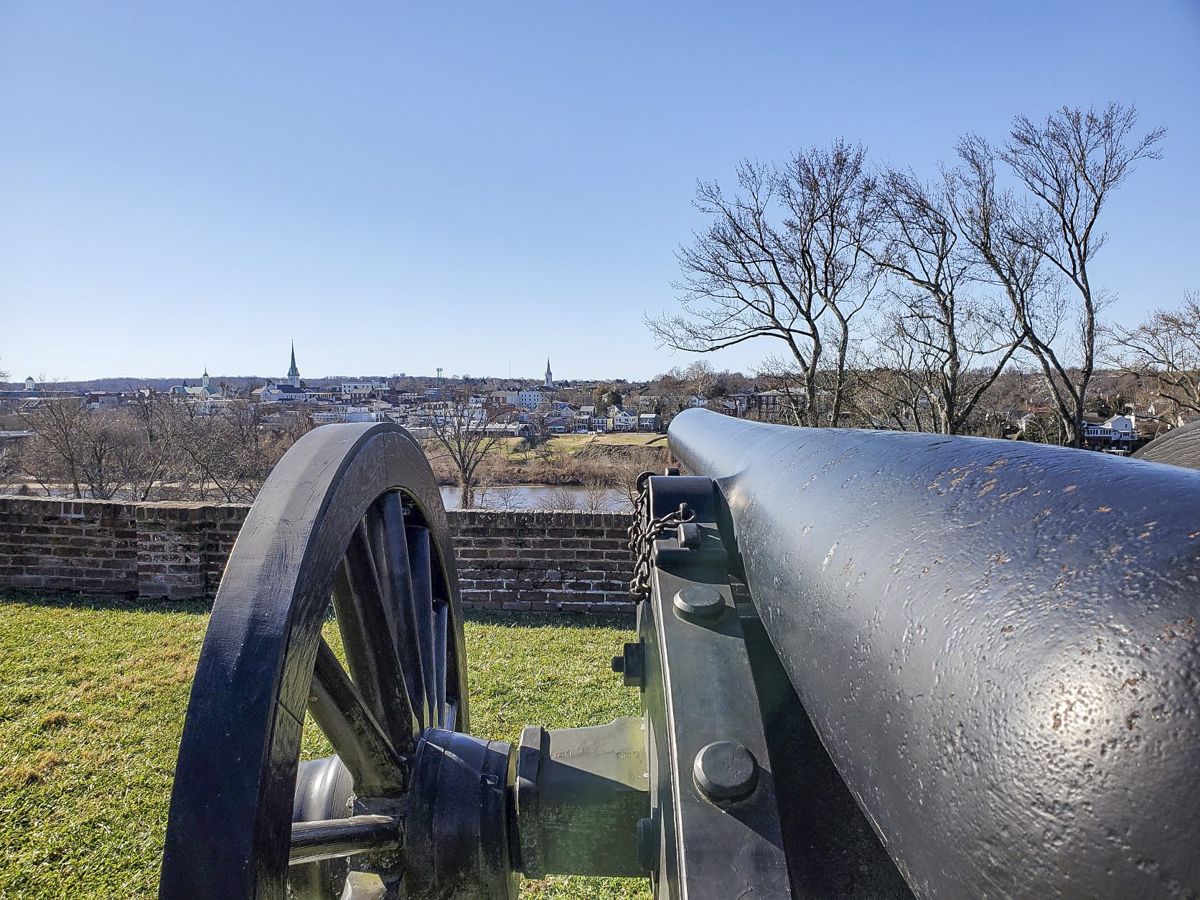
“The Most Terrific Fire that I Ever Saw”: Artillery at Fredericksburg by Tim Talbott “It was the most destructive Artillery fire of the war,” claimed Capt. Thomas Henry Carter, who commanded a battery of Confederate guns at Fredericksburg. “Horses and men piled up by scores [with] in some two hundred yds,” and made for a scene that Carter would probably never forget. Positioned on the south end of the battlefield at Prospect Hill, a location soon named “Dead Horse Hill” due to the accurate and destructive fire of opposing Federal artillery, it was only one of many areas where artillery influenced the Battle of Fredericksburg. Not long after arriving on the Stafford County side of the Rappahannock River in midNovember 1862, the Federal artillery was positioned on the high ground. Across the river on the heights south and west of Fredericksburg, the Confederates eventually assembled their force. When bridging materials finally arrived for the Federals, they crossed on December 11, under heavy rifle fire from Gen. William Barksdale’s Brigade. In an effort to clear out the Rebel street fighters, Union artillery let loose a barrage on the town from almost 150 guns located on Stafford Heights. Doing little damage to Barksdale’s men, who found and created what cover they could, the heavy pounding took its toll on Fredericksburg’s buildings, streets, and yards. Pvt. William Abernathy, a Mississippian, remembered that the land behind their position “was ploughed by shot and shells as though a disc plough had run over it.” Although ensconced in cellars and other cover, “Now and then would come, following the bursting shell, a cry for water. Every old soldier knows that a cry for water means that the man has been stricken unto death, and all day long that winter day, the 11th of December, the dreadful work went on,” recalled Abernathy. Another Southerner noted that, “The town could not boast of a whole window” undamaged by the Federal guns. For the Federals, December 12, 1862, involved getting their troops across the river on the now secure pontoon bridges. By the following day, Confederate artillery pieces on Marye’s Heights and Willis Hill were well dug in and placed where they could do the most damage. While speaking with Gen. James Longstreet before the battle, artillerist Lt. Col. Edward Porter Alexander explained that, “General, we cover that ground now so well that we will comb it as with a fine-tooth comb. A chicken could not live on that field when we open on it.” When the first Federal infantrymen moved out of Fredericksburg toward the Confederate position, the Washington Artillery of New Orleans opened on them. One artillerist noted that “We could see our shells bursting in their ranks, making great gaps.” Doing such damage at long distance was the job of the artillery, and the defenders performed well that day.
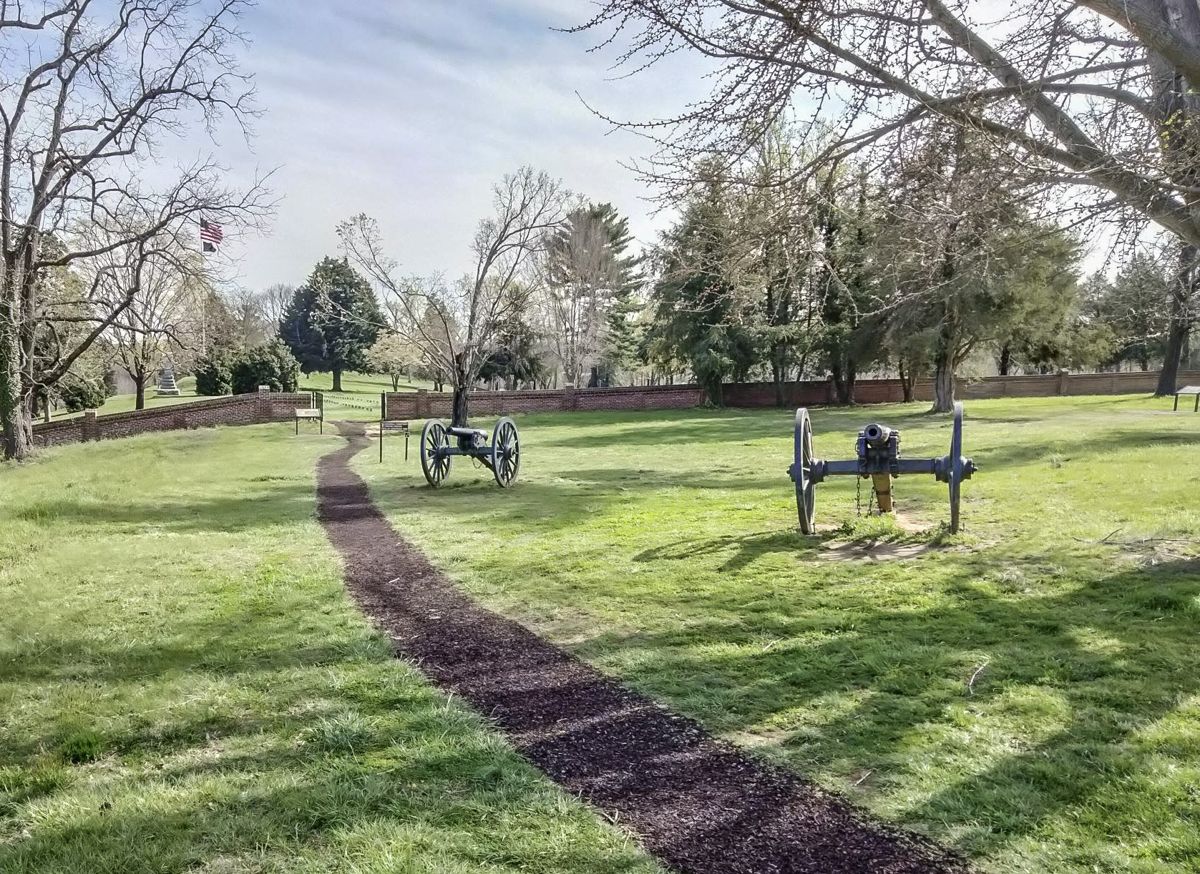
Federal soldiers attested to the destructive fire throughout the day’s assaults. Sgt. George Washington Whitman, poet Walt Whitman’s younger brother, who fought in the 51st New York, wrote his mother after the battle that it was “the most terrific fire of grape, canister and percussion Shell … that I ever saw.” He explained that “their batteries being on high ground … they threw percussion shells into our ranks, that would drop at our feet and explode killing and wounding Three or four every pop.” Union artillery batteries moved through the city and onto the attack plain, but proved largely ineffective due the superior elevated position of the Confederate guns and the Federals utilizing primarily smoothbore pieces instead of rifled guns. Almost simultaneously, the Federals on the southern end of the battlefield, kicked off their attack. Their left flank advance came to an abrupt halt by the daring and skill of Maj. John Pelham of Gen. J. E. B Stuart’s Horse Artillery. With a single 12-pounder Napoleon, Pelham and his crew delayed the Union attack for almost an hour, until he finally withdrew the gun. After Pelham left the field, the Union artillery moved onto the flat plain and hammered Confederate infantry on the wooded ridge. Pounding the unseen defenders’ position with shot and shell, the Federal guns tested the resolve of both Confederate infantry and artillery on the high ground. As previously mentioned, the pelting fire killed many southern horses. Thinking their work effective, the Federal artillery stopped firing and their infantry marched forward. Gen. Thomas J. Jackson’s force, strong with artillery on both flanks, to the south under Lt. Col. Reuben Lindsay Walker and to the north with guns commanded by Captains Greenlee Davidson and John Brockenbrough, blasted the Federal infantry and forced them to slow their assaults. As historian Frank O’Reilly notes: “Yankee cannoneers had the benefit of higher quality and better caliber guns, with more reliable ammunition, even with numerous misfires. Rebel artillery offset their handicaps with superior positions and better angles of fire.” As more artillery from both sides entered the fray around what became known as the “Slaughter Pen,” Confederate Capt. Joseph W. Lattimer found a piece of high ground just north of Capt. Davidson’s position where he unlimbered his battery to throw iron at the Federals. The Union infantry found the Southern line’s center weak due to a lack of artillery in the heavily wooded area, as well as a marsh the Confederates believed would prevent their enemy’s progress. Exploiting this vulnerable position, the Yankees achieved a temporary breakthrough before reinforcements counterattacked and drove the Federals back. Eventually, with the coming of darkness, the battle sputtered to a close on both ends of the battlefield; finally the cannons went quiet. CVBT has saved a number of important artillery positions at Fredericksburg. Willis Hill, where part of the Washington Artillery of New Orleans fired, was the organization’s first preservation victory. CVBT has also added Pelham’s Corner and
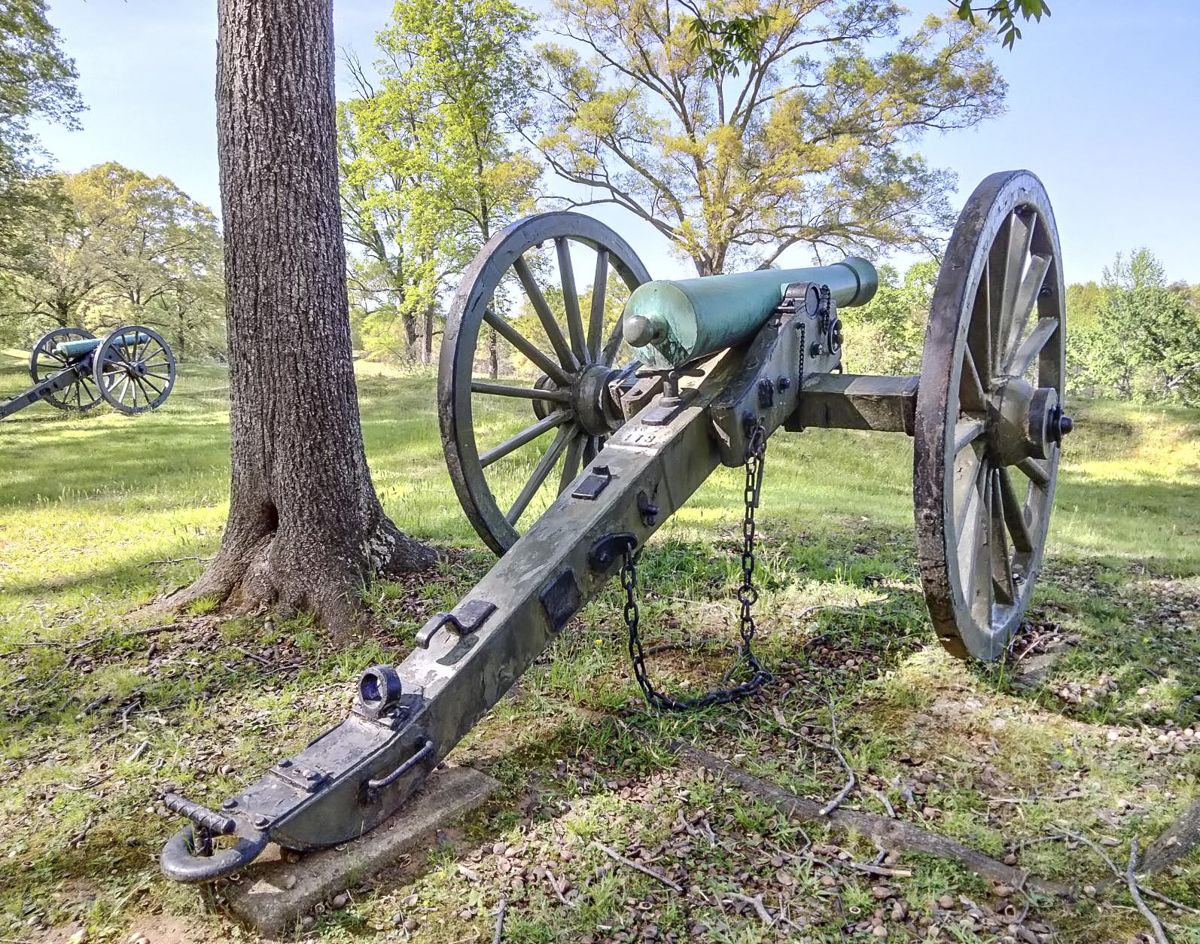
Lattimer’s Knoll on the southern end of the Fredericksburg battlefield, as well as the Norfolk Artillery’s entrenched position on the far northern end. The mission of CVBT is to preserve land associated with the four major campaigns of: Fredericksburg, Chancellorsville, Mine Run, and the Overland Campaign, including the Wilderness, and Spotsylvania Court House. To learn more about this grassroots preservation non-profit, which has saved over 1,700 acres of hallowed ground, please visit: www.cvbt.org. Tim Talbott is the Chief Administrative Officer with the Central Virginia Battlefields Trust.