
American Battlefield Trust
Originally published August 2023 · pp. 14–15
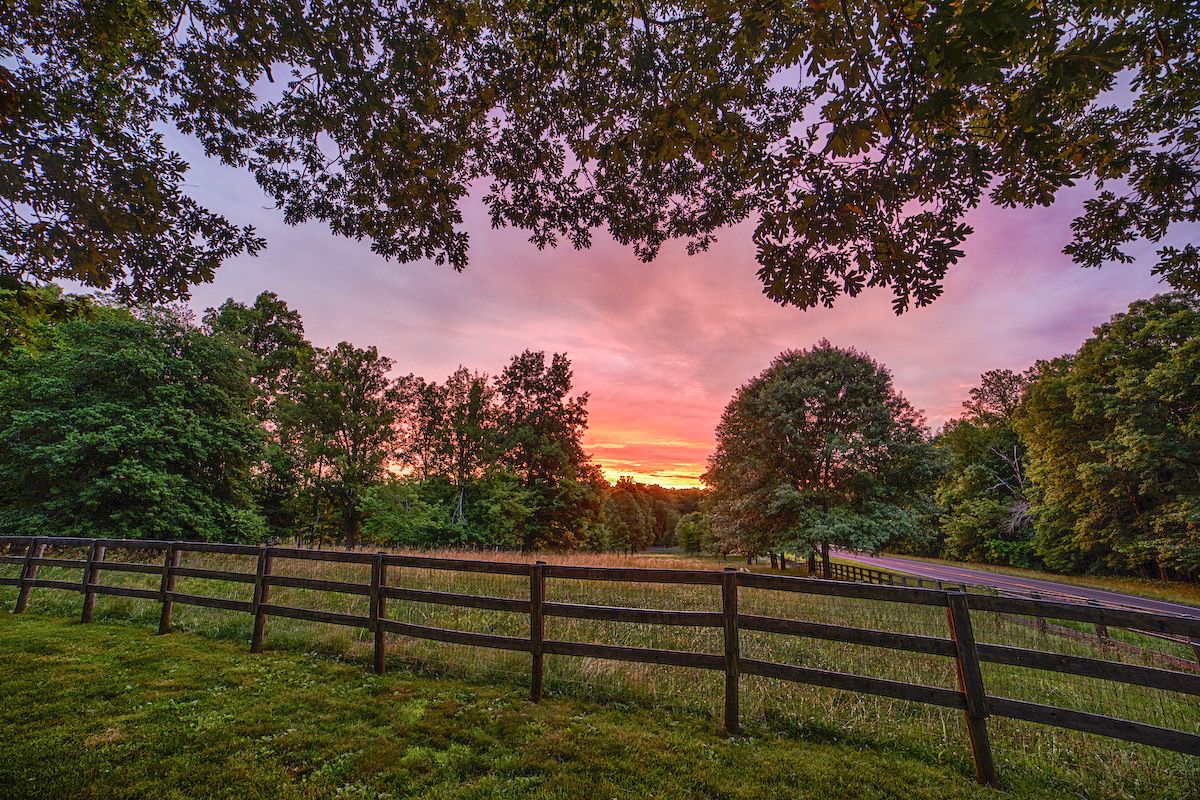
American Battlefield Trust Appeals Controversial ‘Wilderness Crossing’ Development Alongside local nonprofits and private citizens, the American Battlefield Trust filed a legal challenge in Orange County, Va., against a mega-development proposal this spring. At 2,600 acres, the largest rezoning in county history, the “Wilderness Crossing” proposal would blanket a historic landscape with residential, commercial, and industrial development, including distribution warehouses and data centers. Filed in Orange County Circuit Court, the challenge identified a host of substantive and procedural flaws with the development project and the County’s approval, requiring its invalidation. Despite overwhelming opposition expressed during the public hearing, the project was voted on and approved the same evening it first appeared on the Board’s agenda. Altogether, the project could result in up to 5,000 residential units, more than 800 acres of commercial and industrial development, and as much as 750 acres of potential data centers and distribution warehouses.
The plan approved by the Board of Supervisors also differed significantly from what had been advanced by the Planning Commission earlier this year. Major changes were submitted during the hearing, which took place at the earliest possible time after the Planning Commission’s action. Freedom of information failings, including a lack of proper notice of Board meetings and a refusal to disclose materials bearing on the rezoning, are amongst the legal flaws in the rezoning approval process. Furthermore, the challenge also identified failures to provide sufficient analysis on several issues, ranging from noise pollution and water quality degradation to traffic impact. The Trust is joined by the nonprofit Central Virginia Battlefields Trust, Inc. and Friends of Wilderness Battlefield, Inc. in filing the challenge—all three organizations own or steward historic properties in immediate proximity to the rezoned land or stand to suffer significant impacts from the proposed development. Private citizens whose homes are adjacent to the site and face catastrophic consequences also joined as plaintiffs. To learn more or stay up to date with these developments, please visit www.battlefields.org/wilderness-crossing.
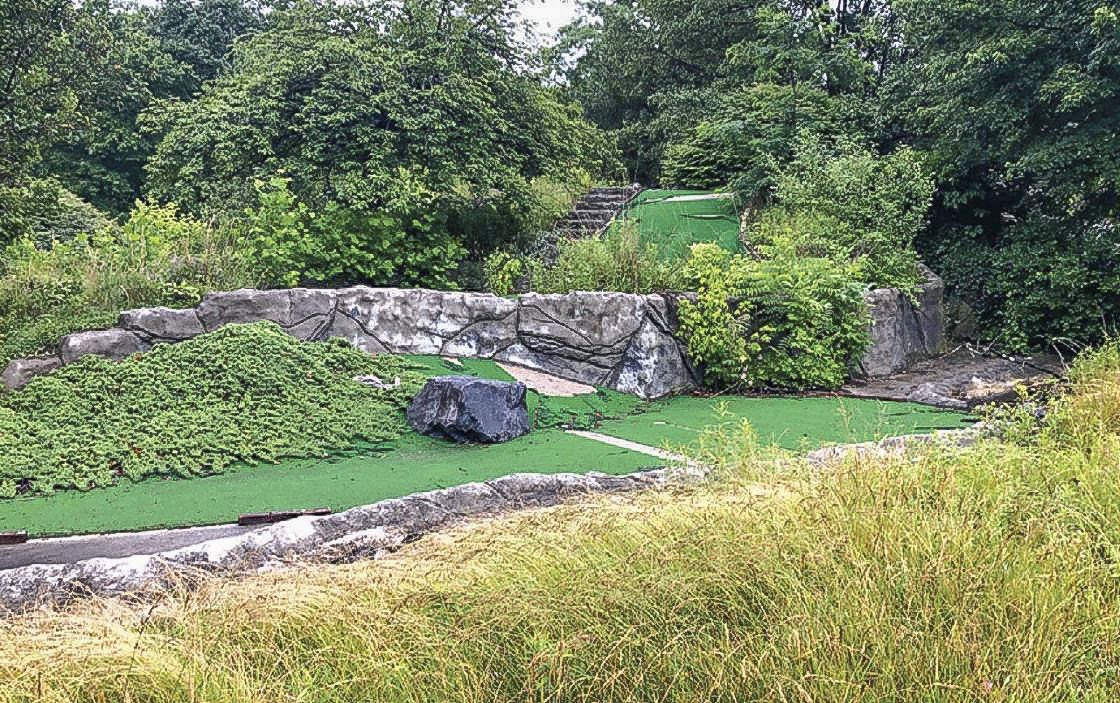
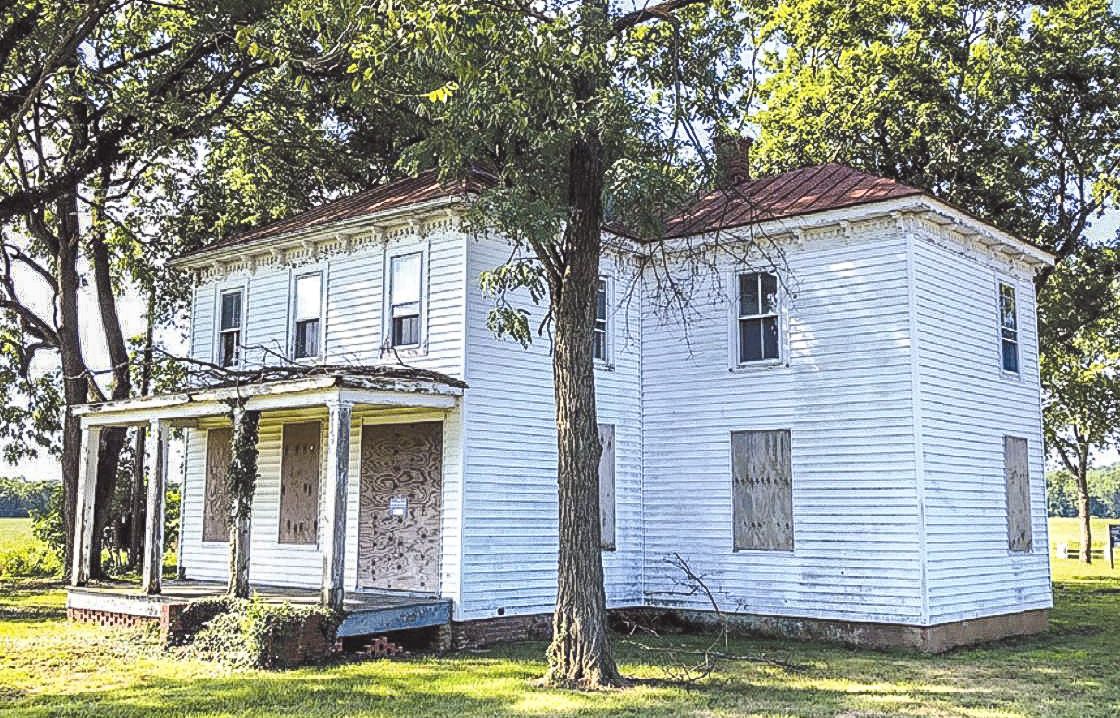
Play a Part in Restoring Five Battlefields The Trust has launched a new campaign that will help restore land at six different battlefields— at Gettysburg, Cold Harbor, Fredericksburg’s Slaughter Pen Farm, Lookout Mountain, and New Market Heights. The six battlefield tracts have already been saved from bulldozers, commercial developers, billiondollar tech companies thanks to generous donor and partner support, but these properties present a special opportunity to restore the land to its wartime appearance before they are transferred to our nonprofit or government partners. In total, the restoration projects will cost $287,000. With no federal or state matching funds available, every penny counts in our efforts to restore these battlefields. At Gettysburg, the Trust seeks to tear down the former MacDuffer’s Adventure Mini Golf Park that currently obstructs the view of the battlefield. For an estimated $50,000, concrete, water pumps, and underground pipes will be removed and replaced with grass and native trees. Additionally, the historic James Thompson House across the road from General Lee’s Headquarters would receive overdue repairs and repainting, estimated to come in at $35,000. At Cold Harbor and Lookout Mountain, restoration projects include demolishing non-historic structures, removing trash and debris, and restoring the sites for incorporation into their respective battlefield landscapes. Photo by American Battlefield Trust.
Especially urgent, at New Market Heights, known for the 1864 Union victory where 14 Black soldiers earned the Medal of Honor, the Trust is facing a late October deadline to remove a 1970s house and restore the land to its wartime conditions. Here, the project is estimated to cost approximately $42,000. At Slaughter Pen Farm, the Trust recently paid off the hefty loan at the historic farm and now aims to complete restoration of this hallowed ground. Here, a post-war farmhouse will be demolished thanks to the generosity of a former property owner’s relative. After the house is removed, the Trust will remove electric poles and some anachronistic fencing, as well as landscape the area. Following these actions, this land will function as the start of a trailhead with interpretive signs. To learn more about this restoration campaign, visit www.battlefields.org/restoration2023.
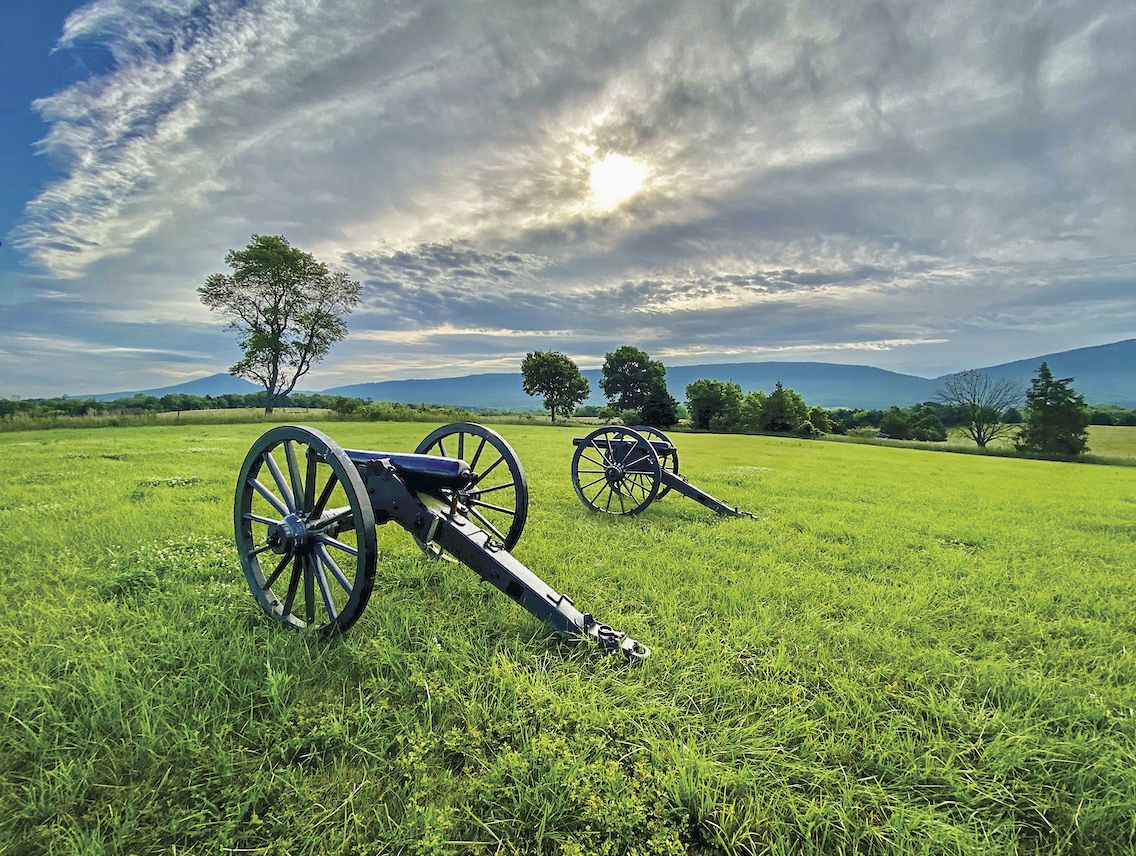
Support Small-ButSignificant Changes to the American Battlefield Protection Program For more than 20 years, the American Battlefield Protection Program (ABPP) has remained a cornerstone of the Trust’s efforts to preserve our nation’s hallowed grounds. The program, managed by the National Park Service (NPS), is the administrative body overseeing federal matching grants for the planning, acquisition, restoration, and interpretation of battlefields. Over the past two decades, ABPP battlefield land acquisition grants have aided in preserving more than 35,000 acres across 21
states at places like Gettysburg, Antietam, Princeton, and Vicksburg. The American Battlefield Protection Program Enhancement Act (HR3448), introduced by Representatives Elise Stefanik and Gerry Connolly, would make small but significant modifications to the program to further increase its impact. The legislation would allow nonprofits and tribes to apply directly for these grants, saving valuable time and ensuring key land acquisitions can move quickly. Additionally, the legislation would widen the scope of ABPP’s restoration grants to all NPS identified battlegrounds and ensure land acquisition grants can be used to preserve significant battlefields from our nation’s founding conflicts. Finally, it would create a mechanism for the NPS to update Congressionally authorized reports identifying key Revolutionary War, War of 1812, and Civil War battlefields when there is new research, archaeology, or studies that show a larger battlefield than originally known. Please join us in supporting the American Battlefield Protection Program Enhancement Act at www.battlefields.org/HR3448.
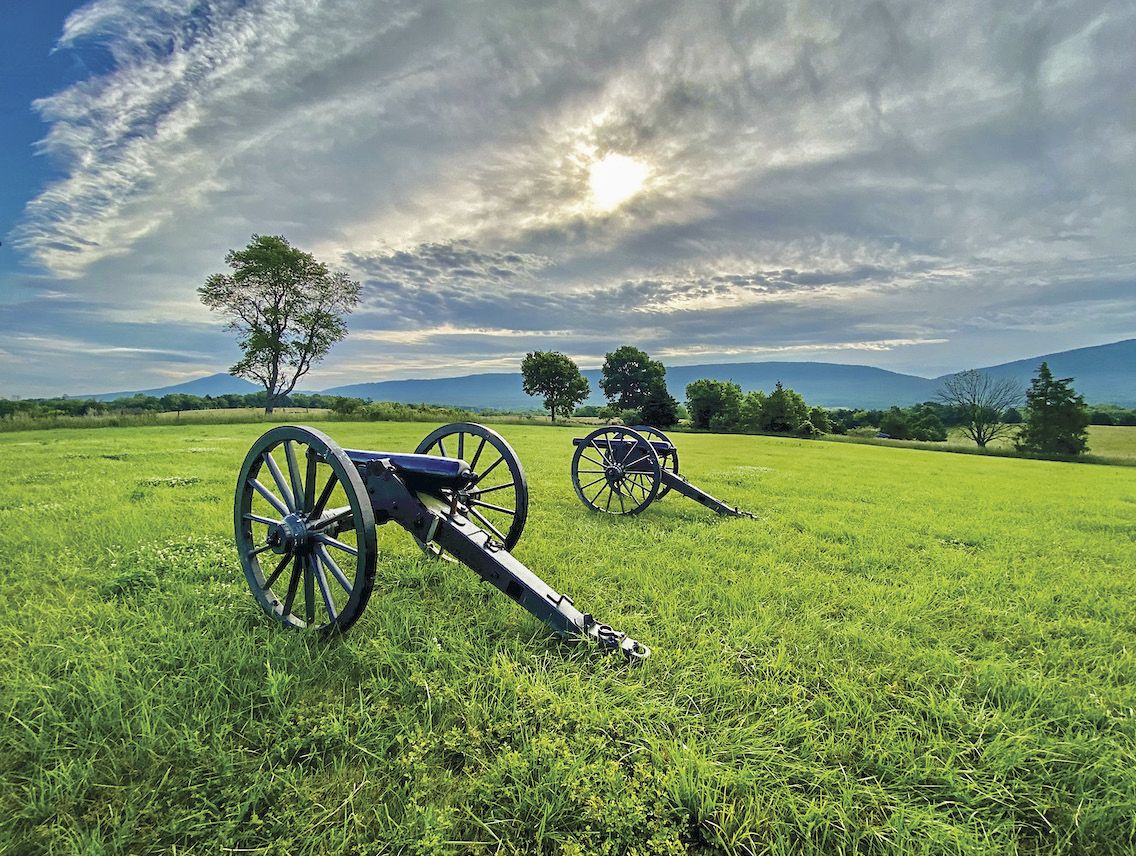
Save 125 Acres of Civil War Battlefield Land in the Old Dominion During the Civil War, no other state witnessed as much fierce fighting as Virginia did. Today, thousands of acres of Virginia’s hallowed ground stand protected, but with ever-looming development threats, the Trust has launched a new campaign to save 125 acres of battlefield land in Virginia at Spotsylvania Court House, New Market, and Trevilian Station. Altogether, the cost to purchase these tracts is more than $1.4 million. Thanks to federal and Virginia state grants and the CivilWarNews.com Shenandoah Valley Battlefield Foundation, every dollar donated will be quadrupled in value to meet our $346,000 need. These battlefields all share an immeasurable degree of historic significance, connected to both Grant’s Overland Campaign and Sheridan’s Valley Campaign of 1864. However, they are located where land is now considered more valuable than ever—for the development of residential neighborhoods and industrial infrastructure like data centers and distribution warehouses. At Spotsylvania Court House, the second battle of the Overland Campaign and one of the bloodiest battles ever fought on American soil took place. Despite its significance, there remain opportunities for preservation. The property, situated in front of a main road, was almost lost to commercial development. The Trust’s targeted five-acre tract along Spotsylvania’s eastern front is considered prime for commercial development. The landowner nearly accepted a large offer from a builder, but the Trust can prevent this by matching the offer. The 99-acre property at Trevilian Station is also under urgent threat. Site of the 1864 Battle of Trevilian Station, the largest all-cavalry battle of the Civil War and “Custer’s First Last Stand,” the tract is in danger of becoming a residential development or a massive solar farm. Lastly, a 21-acre property at New Market is a prime target for residential development. The targeted property is encircled by preserved battlefield land. The Shenandoah Valley Battlefields Foundation has taken the lead to save it but has asked for Trust assistance to finish the job. To learn more about this preservation opportunity and more, please visit https://www.battlefields.org/savebattlefields.