George Barnard’s Photographic Views of Sherman’s Campaigns
By Stephen Davis · Originally published October 2019 · p. 24
George Barnard’s Photographic Views of Sherman’s Campaigns By Stephen Davis Special to Civil War News
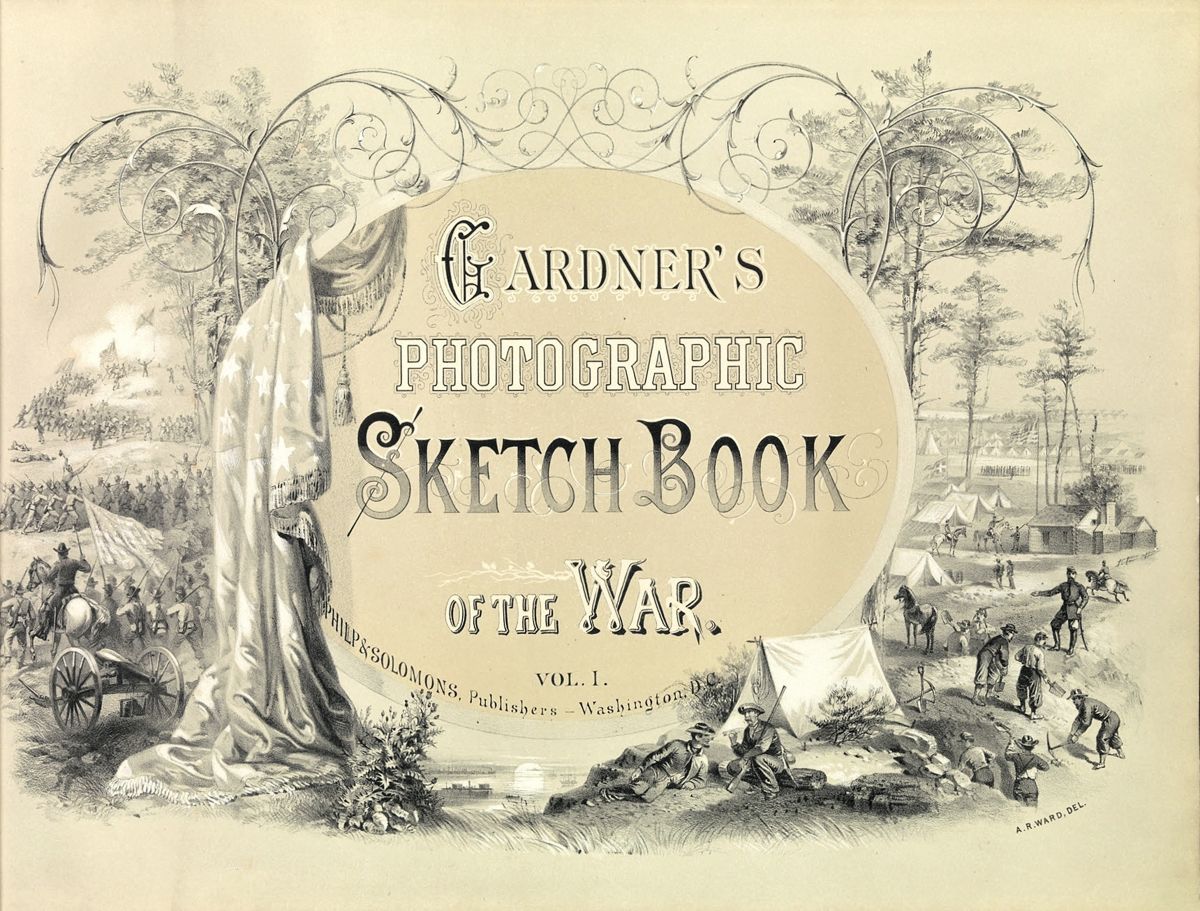
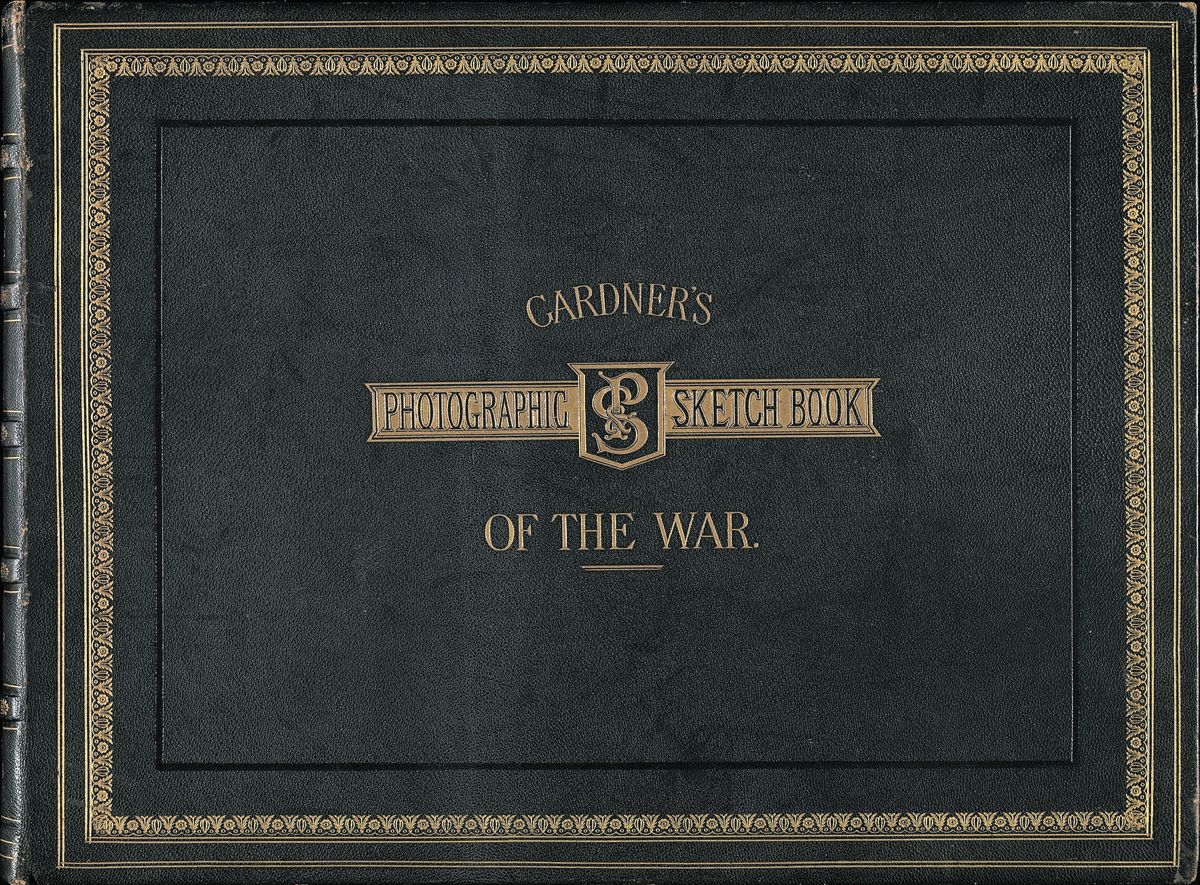
The fire of General Logan’s men was so rapid as to heat their muskets to a degree that rendered them almost unserviceable. After the close of the engagement half melted bullets were drawn from muskets that had been used by men who had been killed or wounded. In conversation with some of the soldiers who were cleaning their guns directly after the battle, the information was received “that the barrels of the muskets got so hot that they made the wood-work smoke.” The water in the canteens of the men was exhausted early during the battle, and caused the resort to an unusual method of cooling muskets. – Theodore Davis. So wrote Theodore Davis in his nineteen-page summary of the Atlanta Campaign published as part of George N. Barnard’s Photographic Views of Sherman’s Campaign (1866). More on this “unusual method;” you can probably guess it, but first, let’s step back a bit. George Barnard was a fortyfour-year-old daguerreotypist from New York, a former employee of Mathew Brady, when he was hired on Dec. 28, 1863, by the Topographical Branch of the Department of Engineers, Army of the Cumberland, to run the army’s photographic operations. Barnard was based in Nashville, reproducing maps and taking pictures of battlefields and railroads when Ulysses Grant was brought east in March 1864 to become general-in-chief of the Union armies. Grant handed over command of his Military Division of the Mississippi to Maj. Gen. William T. Sherman. In the following months, while Sherman was slogging through north Georgia, Barnard took more pictures of Nashville, Knoxville, and Chattanooga. After Sherman took Atlanta in September 1864, his chief engineer, Capt. Orlando M. Poe, summoned Barnard to photograph the city’s surrounding fortifications. The cameraman took several hundred pictures of occupying Union troops and of the city itself. Then, in mid-November when Sherman set out for the sea, Barnard accompanied the Federal forces to Savannah, though he took no pictures during the march. In early 1865 he made more images of Savannah and Charleston before returning to New York at the end of the war. We don’t know when Barnard began thinking of turning his wartime work into a photographic album. Keith F. Davis, in his definitive George N. Barnard: Photographer of Sherman‘s Campaign (1990), suggests the cameraman was out to make money, because in the postwar North William Tecumseh Sherman was a hot commodity. Maj. Ward Nichols, Sherman’s ADC, cashed in with his The Story of the Great March, published just months after Appomattox. Other books followed, including David Conyngham’s Sherman’s March through the South. In Gotham, Barnard would have picked up on all this buzz. Another possible prod may have been Alexander Gardner’s Photographic Sketch Book of the Civil War (1866). (The front cover of Barnard’s eventual Photographic Views looks a lot like that of Gardner’s Photographic Sketch Book.) In the fall of 1866, Barnard was hard at work producing his album, which would include 61 photographic plates, all hand-mounted on pages by the photographer himself. Only a hundred, perhaps 150 copies were produced, specially sold by subscription for a hefty hundred bucks—and that’s in 1866 bucks! In September Barnard persuaded Theodore Davis, the Harper’s Weekly illustrator who had accompanied Sherman in his campaigns, to write a historical narrative about them. In his republication of Barnard’s Photographic Views, Keith Davis doesn’t include Davis’ text; he explains that you can find it in Beaumont Newhall’s reprint of Barnard’s album (Dover Publications, 1977). By the way, Davis’ “unusual method of cooling muskets,” if you haven’t guessed it, involved Union infantrymen urinating I thank Gary Ecelbarger, of Annandale, Va., for citing Albert Castel’s Tom Taylor’s Civil War (Kansas, 2000) as source of this quote. Gary is author of Slaughter at the Chapel: The Battle of Ezra Church 1864 (Oklahoma, 2016). We’re fortunate to have all these volumes in our personal library—the Brigadier General Clement Anselm Evans Memorial Research Collection, as I call it— and can thus quote the text written by Theodore Davis 153 years ago. This is just another example of the fun we Civil Warriors can have with the study of George Barnard’s monumental work. Steve Davis, longtime Atlantan, received his bachelor’s and doctoral degrees from Emory and a master’s at Chapel Hill. He’s been studying the Atlanta Campaign for decades, and with it George Barnard’s photographs. He coined the word Barnardiana to reflect that the study of Barnard’s images deserves a highfalutin’ word.